Political analysis / West Africa
The unraveling of Senegal’s power duo: Faye and Sonko face a bitter split
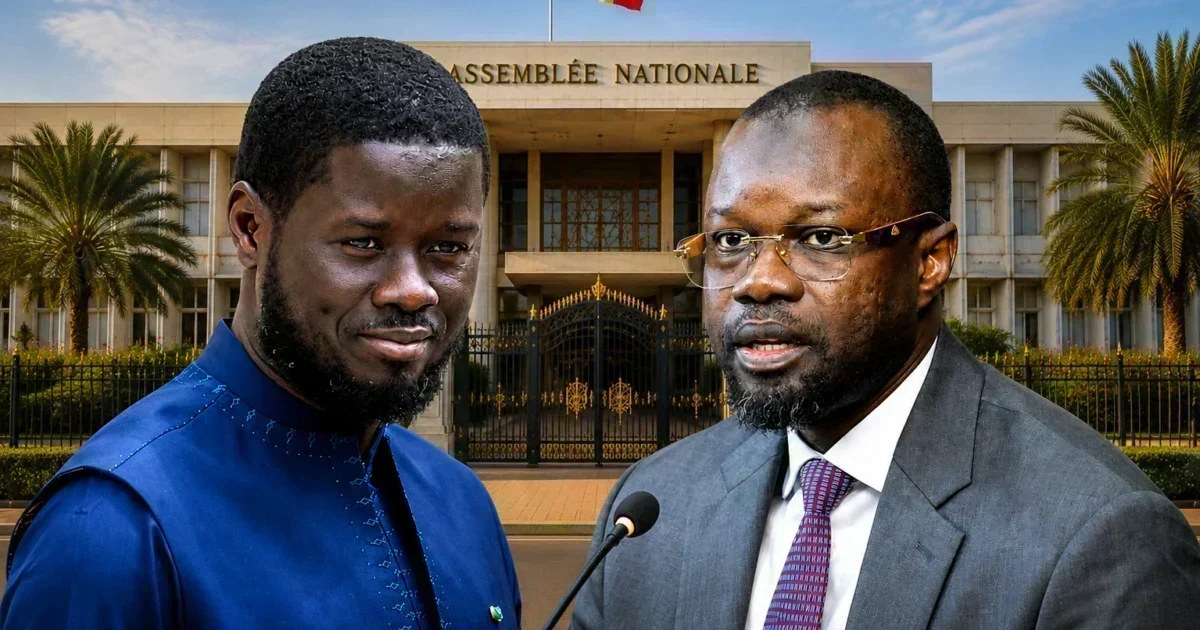
On May 22, Ousmane Sonko was dismissed as Prime Minister, potentially triggering a political crisis. He had long described their relationship as a ‘soft cohabitation’—a paradoxical term considering what true cohabitation entails, especially since both men emerged from the same political circle and appeared inseparable as recently as 2024.
A friendship that seemed unbreakable
What began as an unshakable bond between the two politicians—often referred to as ‘brothers’ and close allies—now appears to be crumbling. Their paths first crossed as students, later converging during their training at the National School of Administration. Both pursued careers as tax inspectors before co-founding the PASTEF party in 2014, a movement rooted in patriotic ideals. By 2022, Bassirou Diomaye Faye had risen to become its secretary-general, while Sonko set his sights on the presidency.
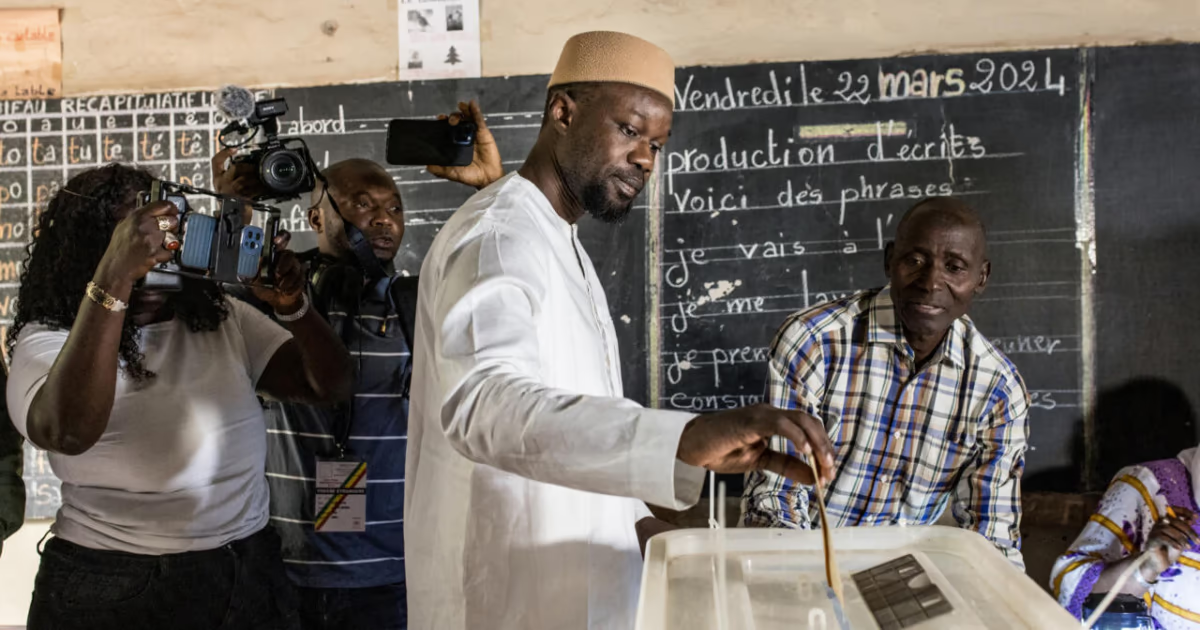
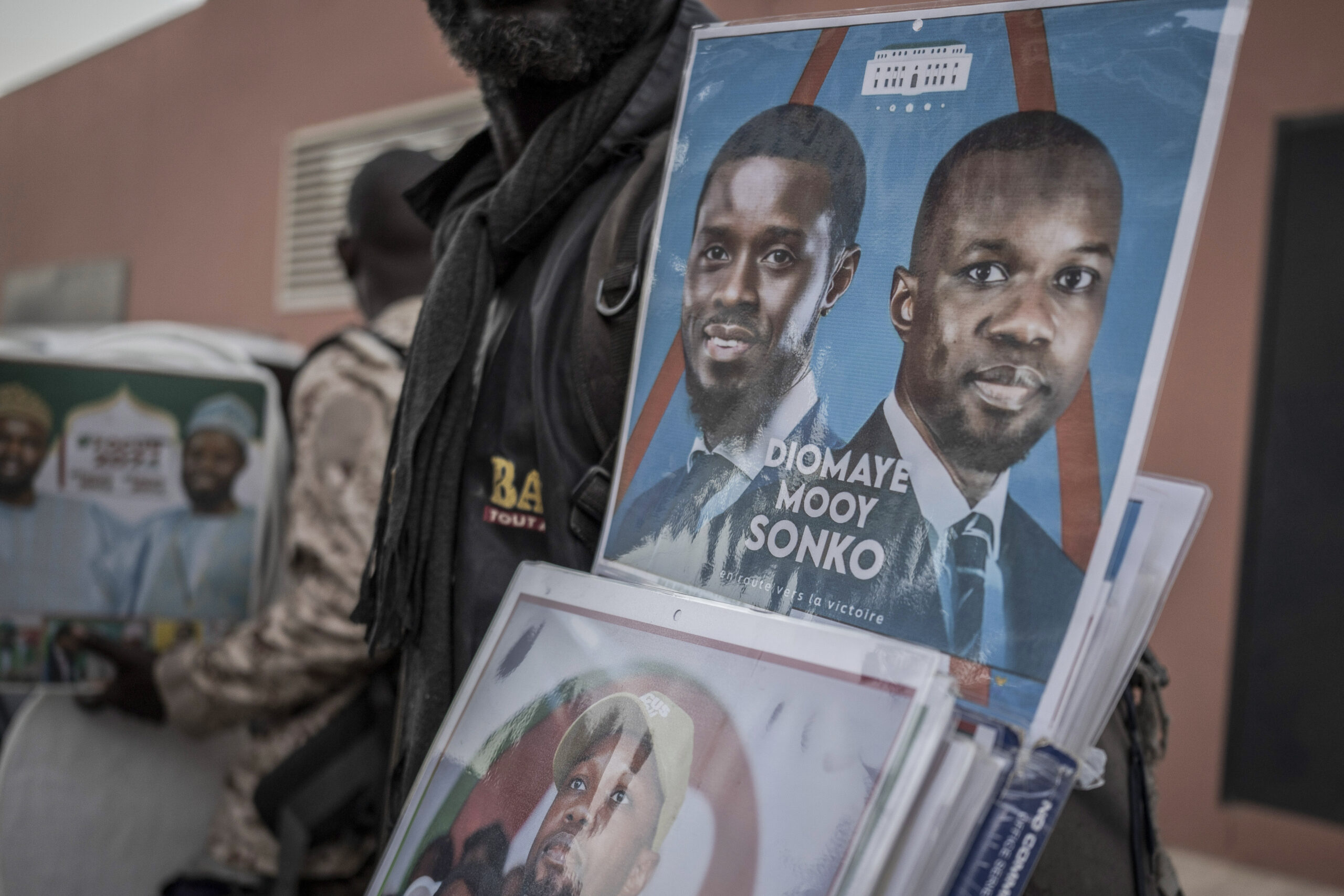
Their triumphant smiles on March 24, 2024, marked a turning point. After overcoming immense obstacles—including imprisonment under Macky Sall’s regime—they achieved what once seemed impossible: a resounding electoral victory. Their campaign slogan, ‘Diomaye mooy Sonko, Sonko mooy Diomaye’ (‘Diomaye is Sonko, Sonko is Diomaye’), encapsulated their unity. With Sonko barred from running, Faye entered the race as his loyal protégé.
Their win was decisive, yet whispers persisted that Sonko, not Faye, had truly carried the election. After all, Sonko had already made his mark in 2019 as a political disruptor, defying expectations despite legal troubles. His influence among Senegal’s youth was undeniable—a symbol of resistance and change. Without Sonko’s grassroots support, Faye’s path to the presidency would have been far more uncertain.
Is political cohabitation a Senegalese tradition?
History suggests that even the most tightly knit political alliances in Senegal often fracture under the weight of power. Consider the partnership between Léopold Sédar Senghor and Mamadou Dia, which ended in Dia’s imprisonment after a power struggle in 1962. Or Abdou Diouf and Moustapha Niasse, whose alliance dissolved almost immediately. Under Abdoulaye Wade, Idrissa Seck’s downfall—after being hailed as Wade’s heir—demonstrated how quickly loyalty can turn to betrayal.
Faye and Sonko’s split follows this pattern, but with a twist: Sonko, not Faye, held the deeper political capital. Their initial unity was built on shared ideals, but power exposed stark differences in vision and strategy.
Where the cracks formed
Their disagreements ran deeper than policy. Faye’s presidency, some argue, has moved too slowly on promised reforms, frustrating Sonko’s supporters. Economic strategy—particularly regarding debt and relations with the IMF—became a battleground. Sonko’s November 2025 ‘Tera Meeting’ in Dakar, a massive rally uniting supporters from across Senegal, underscored his enduring influence. The event was less a celebration of Faye’s tenure and more a show of force by Sonko’s movement.
Faye responded by elevating Aminata (Mimi) Touré, a controversial figure with ties to the previous regime, signaling his intent to govern independently. This move was widely interpreted as a deliberate distancing from Sonko’s shadow.
For months, Faye had struggled to assert his authority, while Sonko’s supporters openly boasted of their mentor’s superiority. The dismissal of Sonko may have come as a relief to Faye, but it leaves a fractured political landscape in its wake.
What lies ahead?
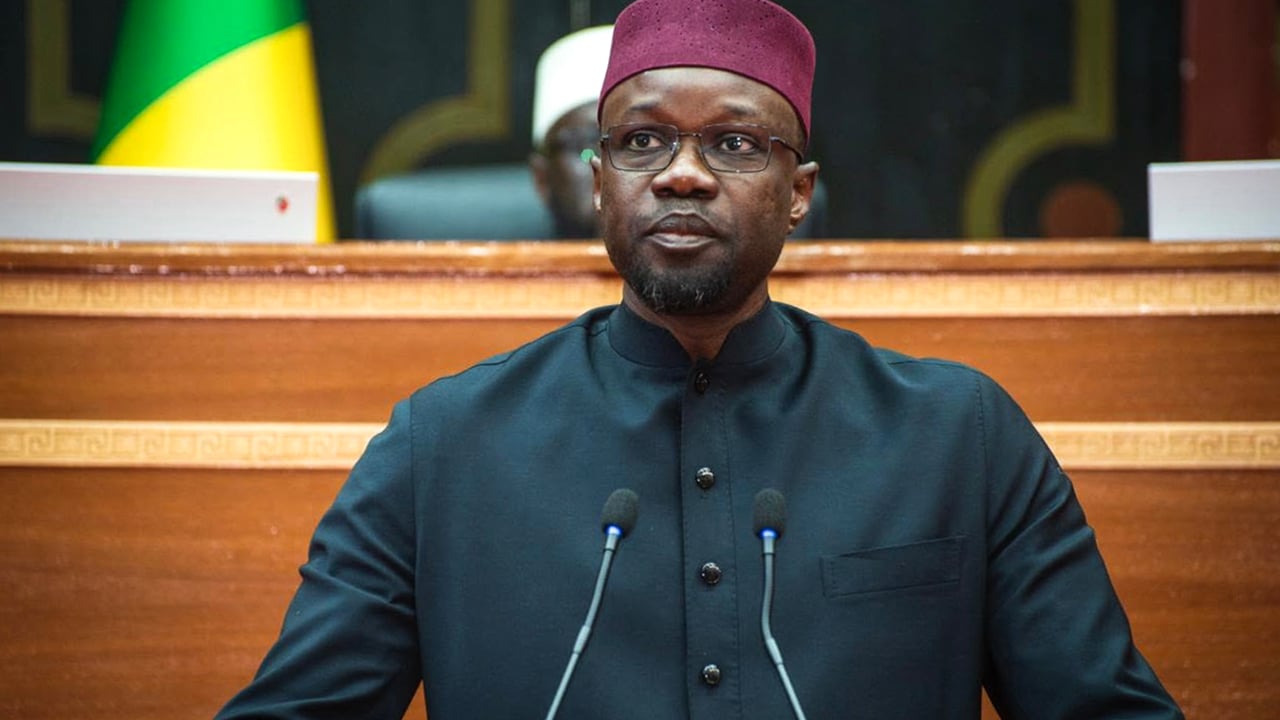
Sonko’s dismissal was met with a swift political counter-move: his election as President of the National Assembly on May 26, placing him at the helm of a party controlling 130 of 165 parliamentary seats. This creates an unprecedented scenario—a president without his key ally, facing a legislature dominated by his former partner. The risk of institutional gridlock looms large.
Can Faye govern effectively without Sonko? Will Sonko seek to undermine him? The answers remain unclear. Yet beyond their personal feud, Senegal’s greatest challenge remains unaddressed: youth unemployment, economic stagnation, and crumbling public services. Two years into their mandate, many reforms have stalled, leaving citizens disillusioned. The country’s future hinges on more than political rivalry—it depends on delivering tangible progress to a population desperate for change.
Does Senegal need this turmoil? The question weighs heavily on the nation’s future.