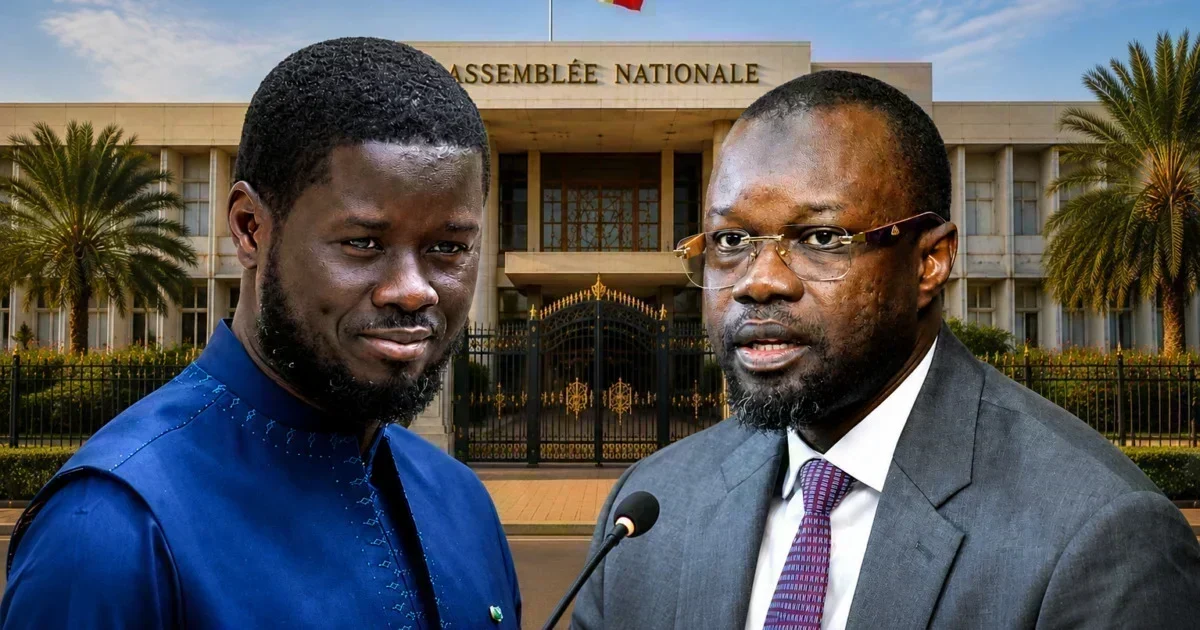
The National Assembly of Senegal has overwhelmingly approved a constitutional amendment bill in a plenary session held on June 29, 2026. Despite the opposition’s boycott, the 129 ruling Pastef party deputies present in the chamber voted in favor of the proposal.
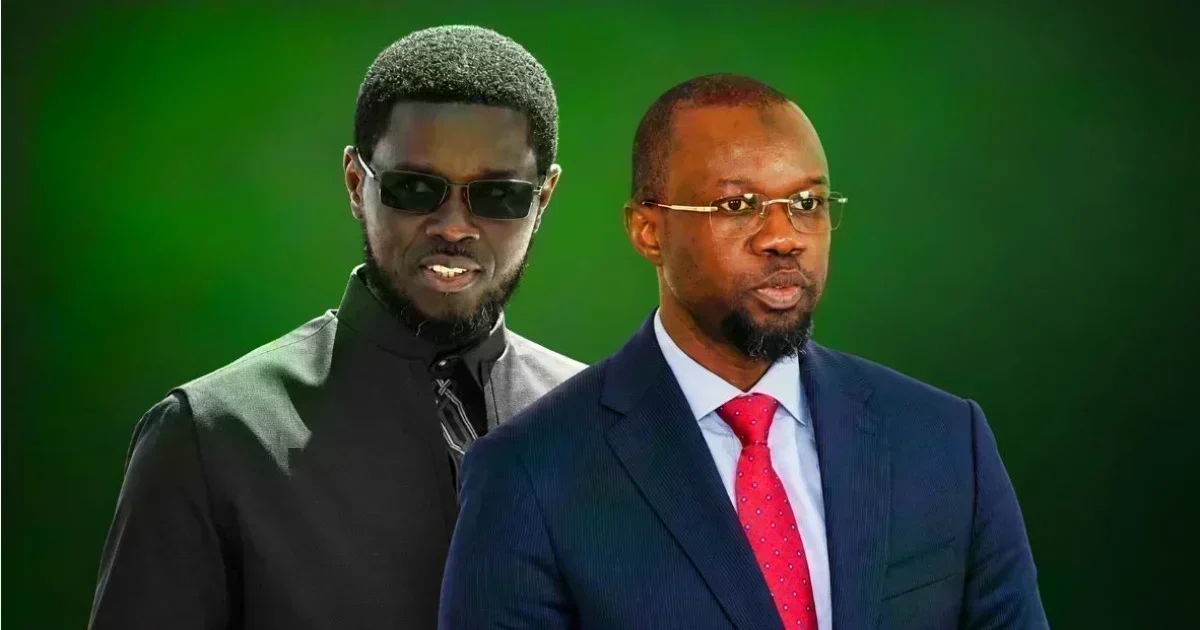
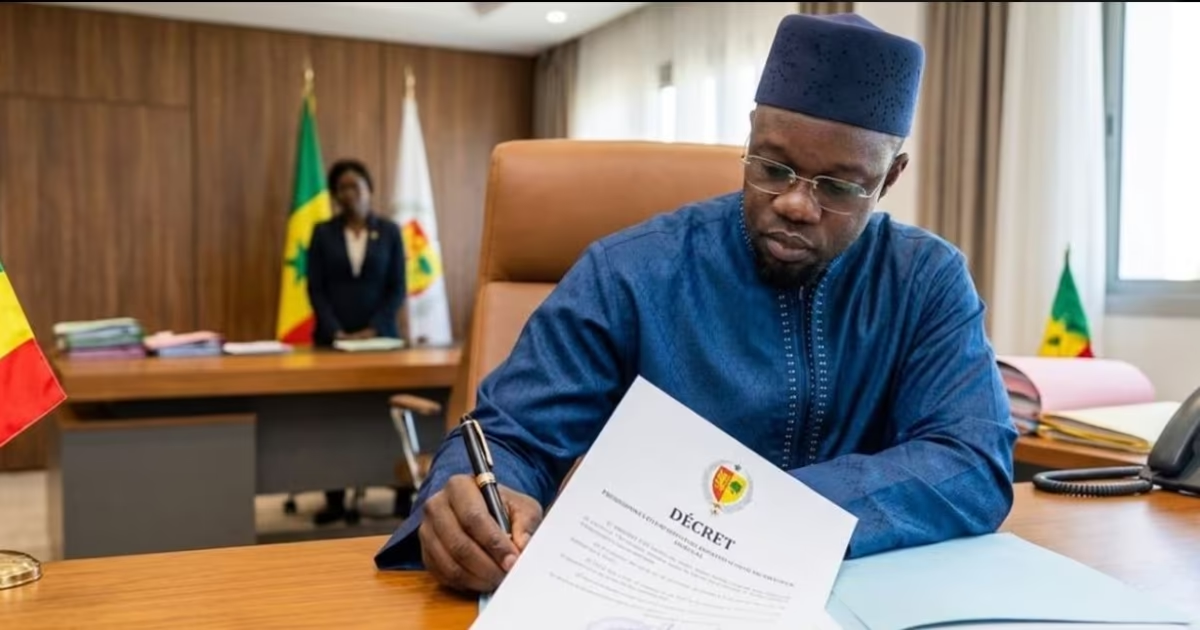
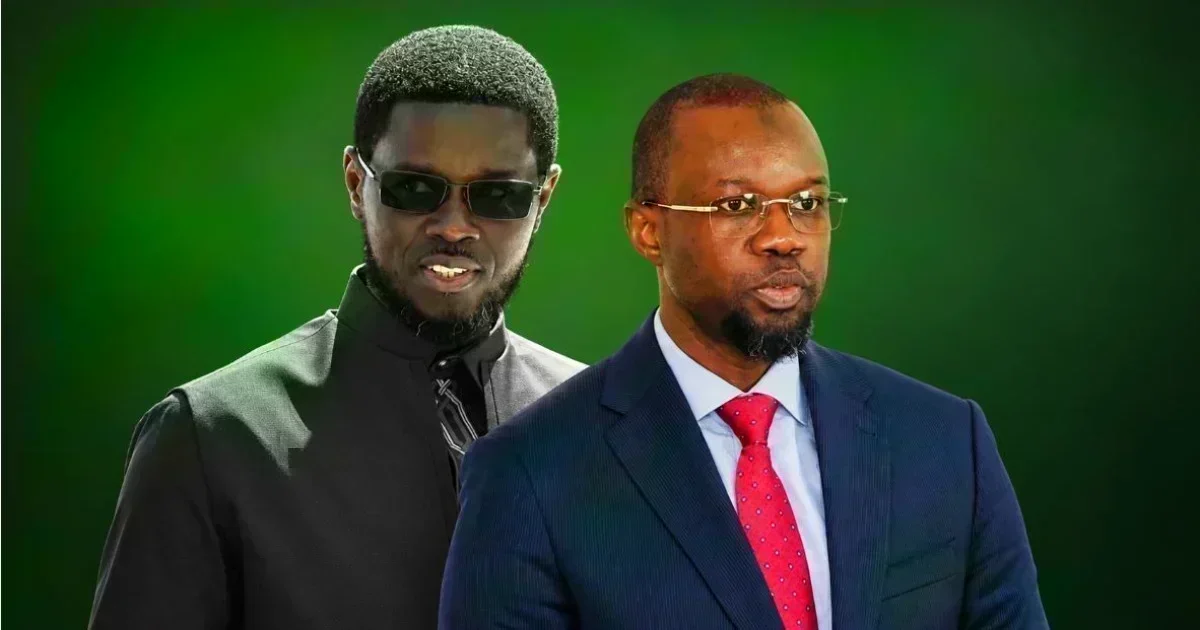
Following the vote, the Assembly President Ousmane Sonko addressed the nation’s top leader, Bassirou Diomaye Faye, highlighting growing disagreements over key provisions of the revised text. Sonko’s remarks underscored his concerns about the transparency and consistency of governance.
Transparency concerns overshadow constitutional reform
Sonko emphasized that the president’s assets declaration remains a contentious issue. He recalled Faye’s campaign promise to implement a two-fold declaration policy—upon taking office and at the end of the mandate—only to see reservations emerge later.
« We still hold hope. It’s never too late to return to the fundamentals, to what defines our political identity. I find it difficult to believe such a stance could shift so drastically in such a short time, » Sonko stated directly to the president.
« Why should a single individual decide which provisions matter and which do not? That is simply unacceptable, » he added, stressing that commitments made to the Senegalese people cannot be altered based on convenience.
He further challenged the rationale behind selective implementation: « The president himself acknowledged during his campaign that asset declarations were essential at both the start and end of a term. The videos are still out there. What has changed? »
Rising tensions within the ruling coalition
These public remarks reveal deepening divisions between the two leading figures of Senegal’s political landscape. Once united under the Pastef banner during the 2024 presidential election, Sonko and Faye now appear increasingly at odds over governance principles and institutional reforms.
The constitutional amendments, while passed, now face scrutiny not only for their content but also for the manner in which they reflect the evolving dynamics within the country’s highest leadership.