Mali is sliding deeper into a humanitarian and security abyss as state forces, allied foreign units, and Islamist insurgents escalate attacks on civilians and critical infrastructure. Since the dramatic fall of Kidal on 25 April 2026, the country has witnessed a surge in indiscriminate violence, with local communities paying the heaviest price.
Kidal’s collapse triggers brutal counteroffensive
The coordinated assault by the Jama’at Nusrat al-Islam wal-Muslimin (JNIM) and the Front de Libération de l’Azawad (FLA) not only seized Kidal but also eliminated Mali’s Defence Minister, Sadio Camara. In response, the Malian Armed Forces (FAMa) and Russian instructors from Africa Corps launched an aggressive counter-campaign, pushing deeper into the north-east. While government spokespeople refuse to disclose casualty figures, field investigators have recorded at least 13 fatalities and 25 injuries among civilians during the opening clashes in Gao and Kidal alone.
JNIM wages economic warfare to strangle Bamako
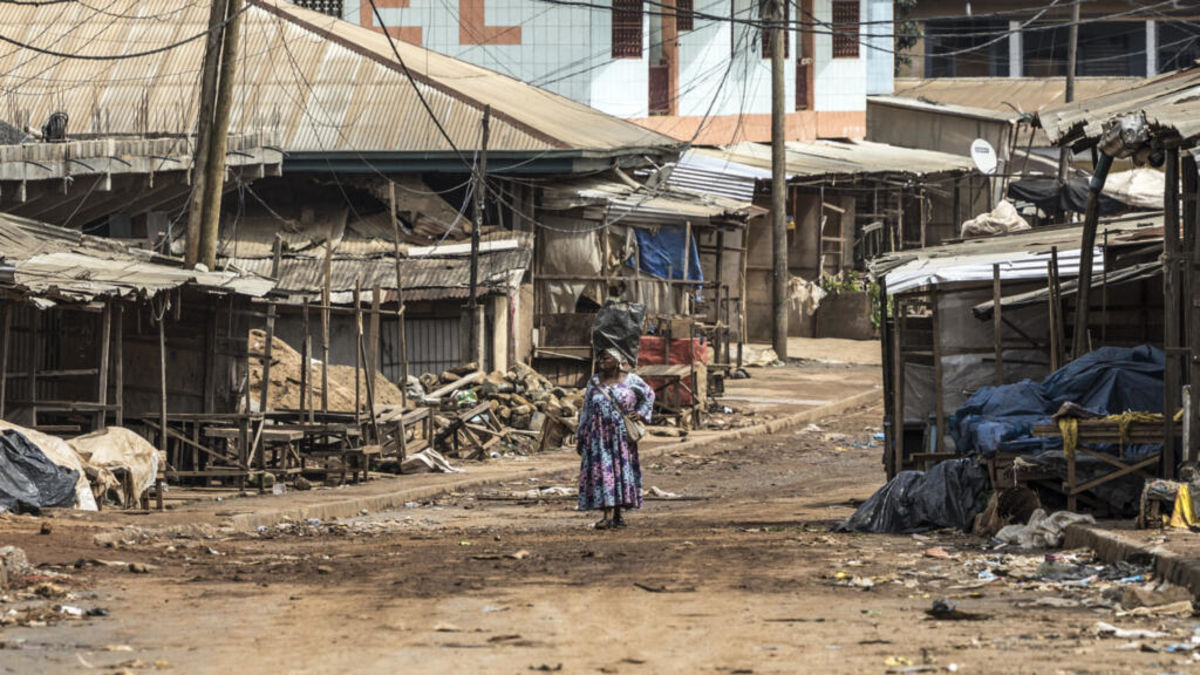
The insurgency has shifted tactics, turning the country’s fragile supply chains into prime targets. Between 6 and 21 May 2026, militants torched more than 40 civilian transport vehicles bound for the capital, while fuel tankers have been systematically intercepted since September 2025. The resulting fuel and electricity shortages have shuttered schools and shuttered local markets, pushing entire regions to the brink of collapse.
Public executions have become another tool of intimidation. In Tonka, near Tombouctou, an unarmed resident was put to death in broad daylight to crush any dissent, underscoring the jihadist group’s campaign of terror.
Bamako’s military response exacts heavy civilian toll
Government forces have retaliated with aerial bombardments and ground raids that are increasingly blurring the line between combatants and non-combatants. In the centre of the country, Fulani communities have borne the brunt of sweeping military operations that conflate entire villages with armed factions. Between 14 and 17 May alone, 38 civilians—including 23 children—were killed in ground incursions.
Drone strikes have added to the carnage. On 25 April in Guimbé, a precision strike claimed the lives of 12 children and teenagers. On 17 May in Téné, a wedding ceremony was obliterated, leaving 10 civilians dead.
No accountability, no end in sight
The Malian justice ministry has remained silent in the face of repeated allegations, while JNIM spokespeople defended their actions by claiming civilians targeted had refused to comply with the group’s draconian edicts. With the United Nations’ former monitoring mission no longer in place, impunity has become the norm, fuelling further cycles of violence.
Human rights monitors are urging the African Union and the United Nations to urgently deploy an independent fact-finding mission. Collecting verifiable evidence is seen as the only way to break the cycle of retaliation and lay the groundwork for future prosecutions under international humanitarian law.