Russia deepens military ties with west african Sahel alliance
Strengthening Defense Ties in the Sahel
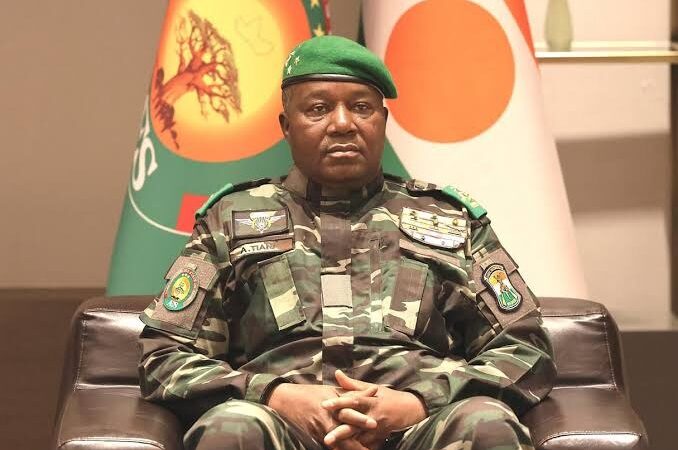
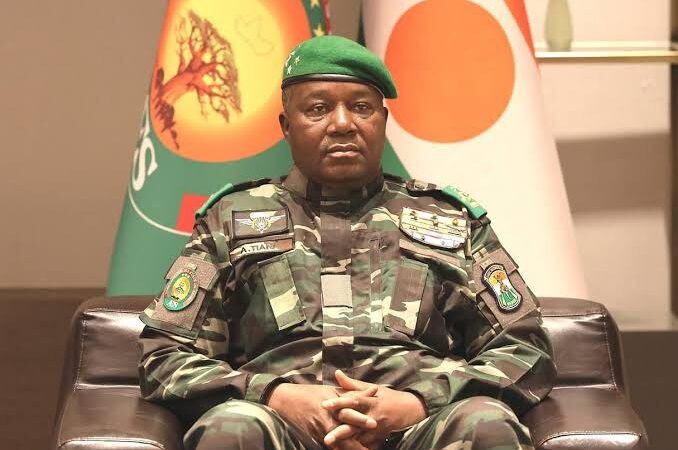
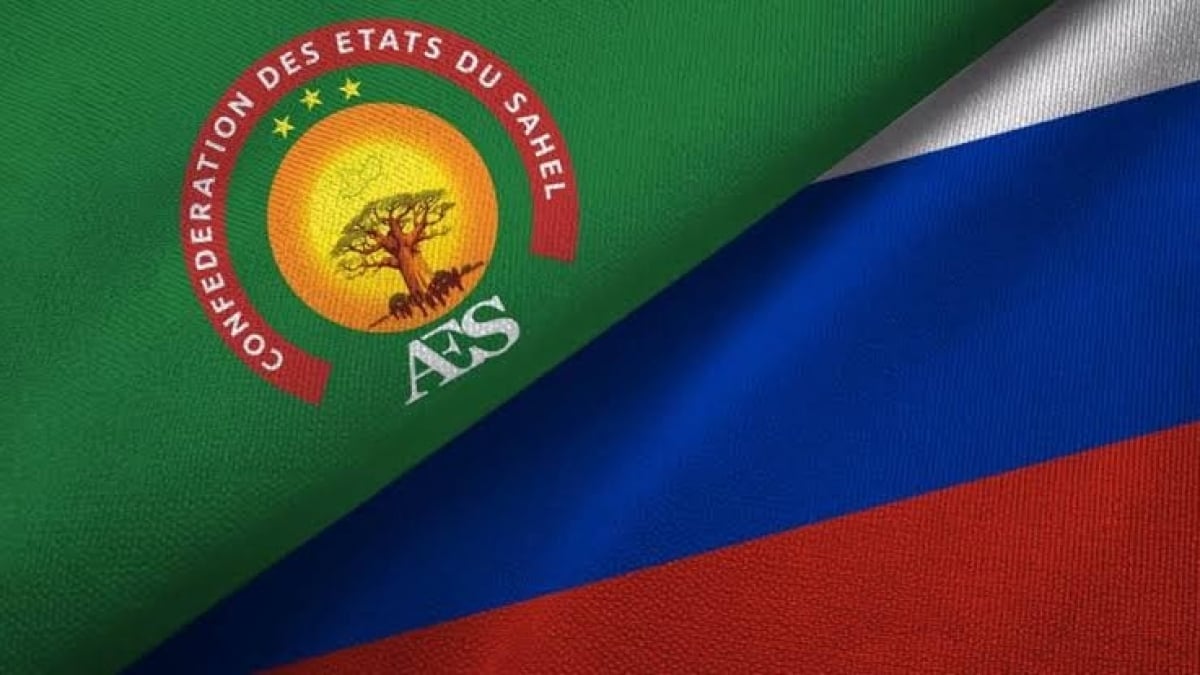
The Russian Federation is expanding its military collaboration with the Alliance of Sahel States (AES), comprising Mali, Burkina Faso, and Niger. This strategic partnership was formalized during a recent high-level meeting in Niamey, where the Russian Foreign Minister, Sergey Lavrov, and representatives of the AES reaffirmed their commitment to joint defense initiatives.
The discussions centered on enhancing military cooperation to combat extremist violence and address persistent security threats in the region. Both sides emphasized the urgency of strengthening local defense capabilities amid ongoing insurgencies and cross-border instability.
Shifting Alliances in the Sahel
The AES was established in September 2023 as a mutual defense pact before evolving into a broader political, economic, and military alliance. By early 2025, the three member states had withdrawn from the Economic Community of West African States (ECOWAS) and launched a joint military force of approximately 5,000 troops. This force aims to coordinate counterterrorism efforts and safeguard regional borders.
Russia’s growing involvement in the Sahel reflects a deliberate shift in its foreign policy strategy. Moscow has significantly increased its military footprint by deploying the Russian Army Corps in Africa—a formalized force replacing the former role of the private military company Wagner Group in several African nations.
Challenges Beyond Military Cooperation
While enhanced military support can bolster short-term counterterrorism capabilities, experts caution that deeper structural issues must be addressed to achieve lasting stability. Factors such as poor governance, economic disparity, climate change impacts, resource competition, and the proliferation of armed extremist groups continue to fuel regional insecurity.
The AES’s withdrawal from regional blocs like ECOWAS signals a broader realignment in West Africa’s geopolitical landscape. This move underscores the bloc’s determination to pursue independent security strategies, often diverging from traditional Western partnerships.
Russia’s expanding influence in the Sahel is not merely a military maneuver but part of a calculated effort to secure long-term political and economic leverage in a region undergoing rapid transformation.