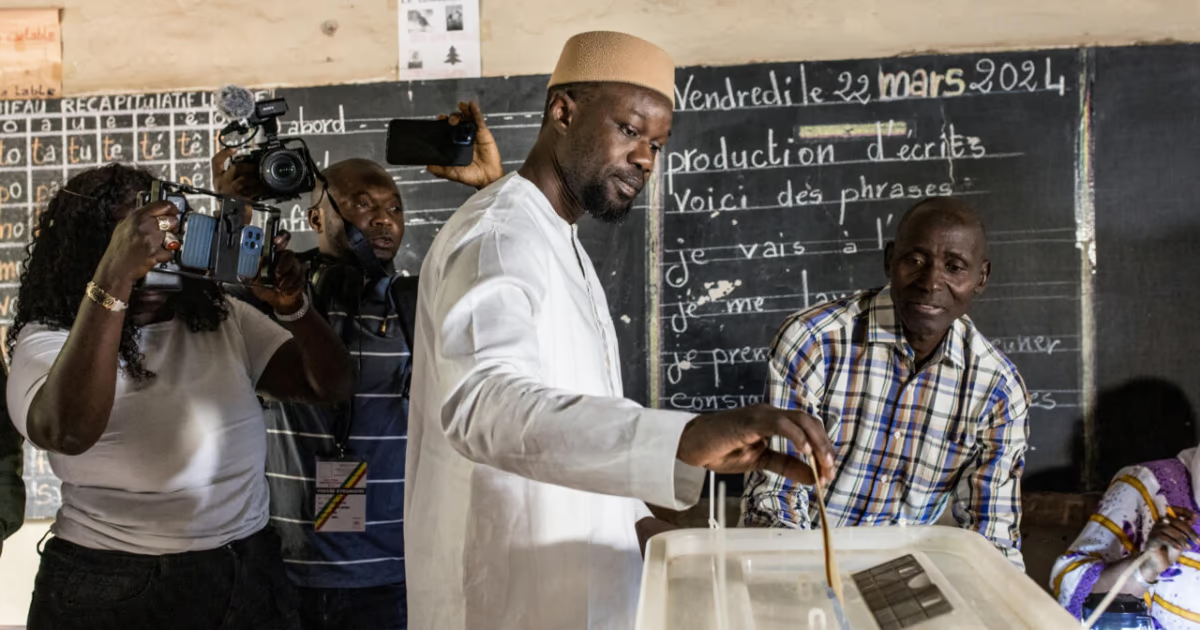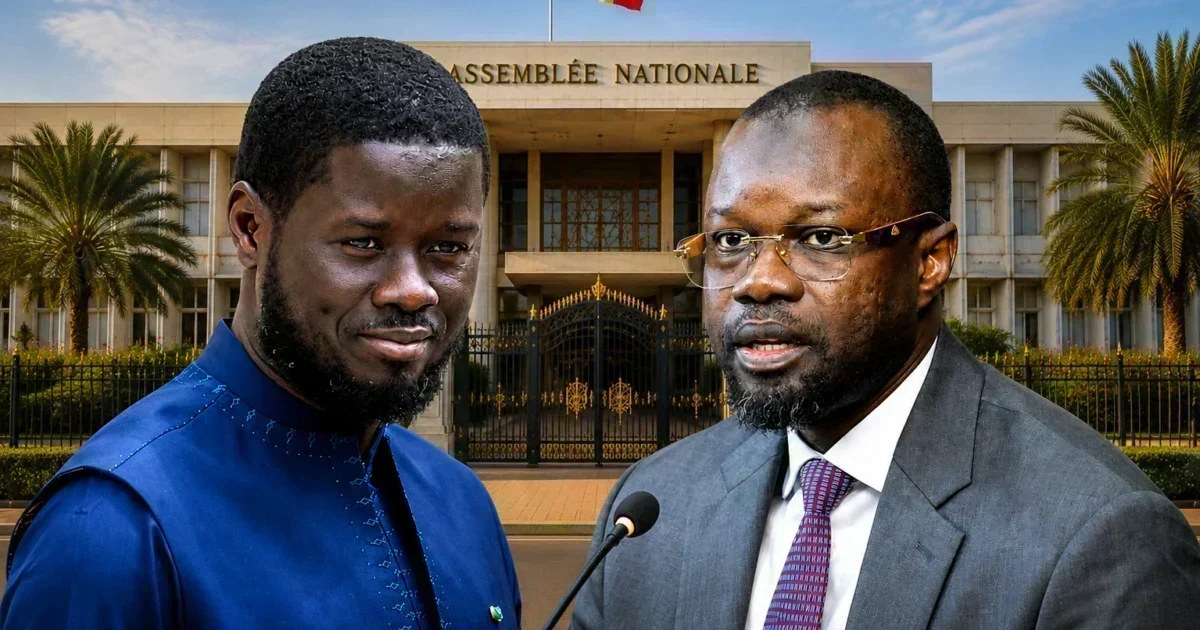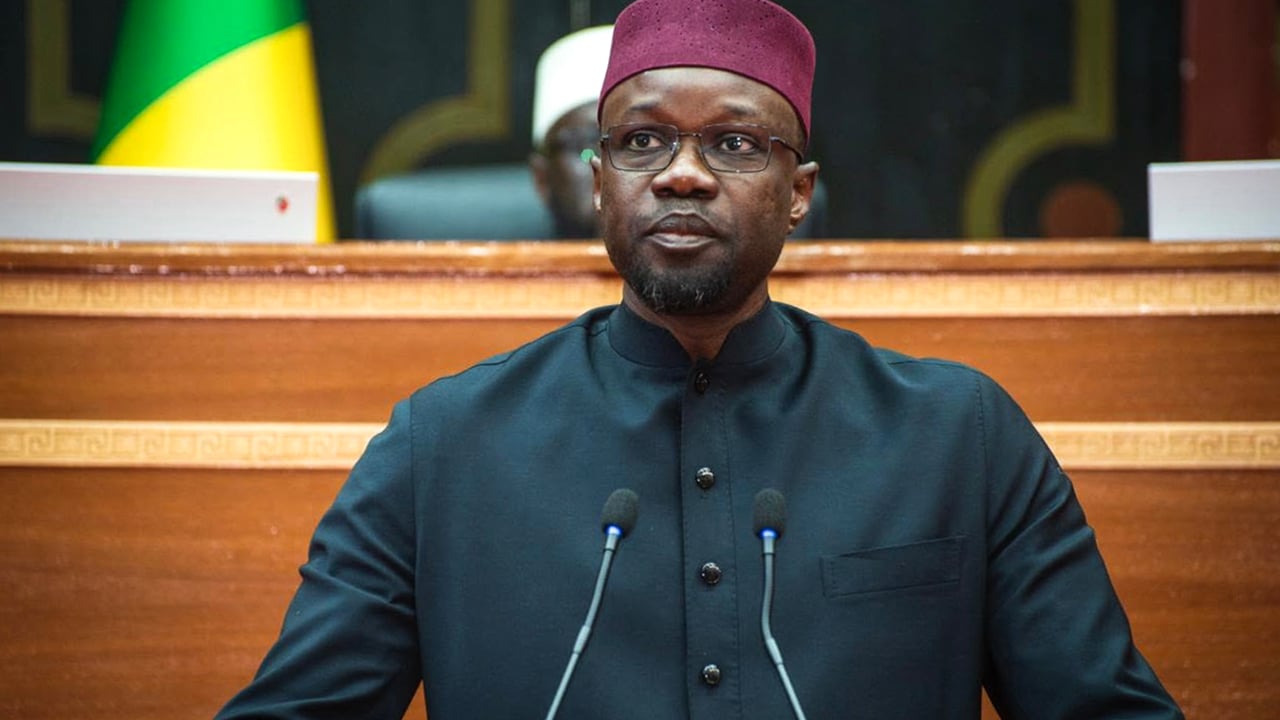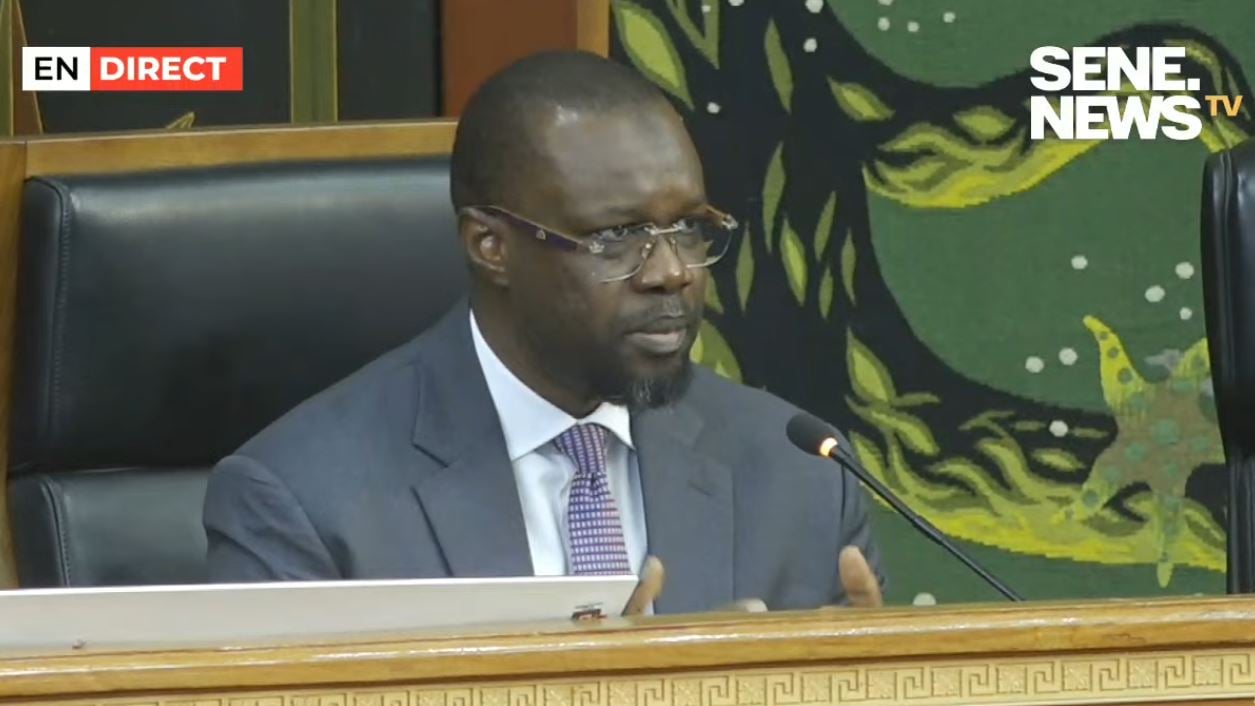
Ousmane Sonko, newly elected President of Senegal’s National Assembly, has shed light on the deeper motivations behind his political estrangement from President Bassirou Diomaye Faye. Rather than framing their separation as a mere clash of personalities, he elevated the discourse to a philosophical plane, questioning the very foundations of governance and urging a return to ethical principles.
Beyond personal rivalries: the moral dimension of power
In a speech delivered shortly after his removal from the Prime Minister’s office and his election to the Assembly’s presidency, Ousmane Sonko framed the rift with Bassirou Diomaye Faye not as a personal feud but as a fundamental clash over the purpose of leadership. He challenged the notion that politics should revolve solely around power acquisition, instead emphasizing its ethical responsibility to serve the greater good.
« The stakes here are not about individuals, » Sonko stated. « They concern the very relationship between morality and governance. » Drawing on the philosophy of Aristotle, he reiterated that politics, when practiced with virtue, becomes the highest form of collective human endeavor. A nation, in his view, risks collapse when its leaders prioritize self-interest over the common good, stripping the Republic of its moral core.
Historical parallels: lessons from Senegal’s independence era
To reinforce his argument, Sonko referenced the legacy of Mamadou Dia, a towering figure in Senegal’s post-independence history. He recalled how Dia, as the country’s first Prime Minister, warned against the conflation of state authority with private interests. In Sonko’s interpretation, sovereignty demands more than political institutions—it requires moral, economic, and social integrity. « A nation may boast a flag, anthem, and constitution, yet still crumble if its leaders normalize unethical practices, » he cautioned.
This historical lens underscores Sonko’s broader concern: the erosion of public trust when governance drifts from its ethical mandate. His remarks suggest that the fractures in Senegal’s leadership stem not from superficial disagreements but from a fundamental disagreement over the principles governing power.
The silent threat to nations: moral decay
Sonko extended his critique to contemporary political crises across Africa, arguing that nations decline not only from material poverty but from « moral fatigue. » When institutions transition from serving citizens to serving the ambitions of their leaders, the Republic’s very spirit erodes. Without explicitly naming names, his message was clear: the tensions that led to his split with Bassirou Diomaye Faye reflect a deeper, irreconcilable difference in how governance should be exercised—and for whose benefit.