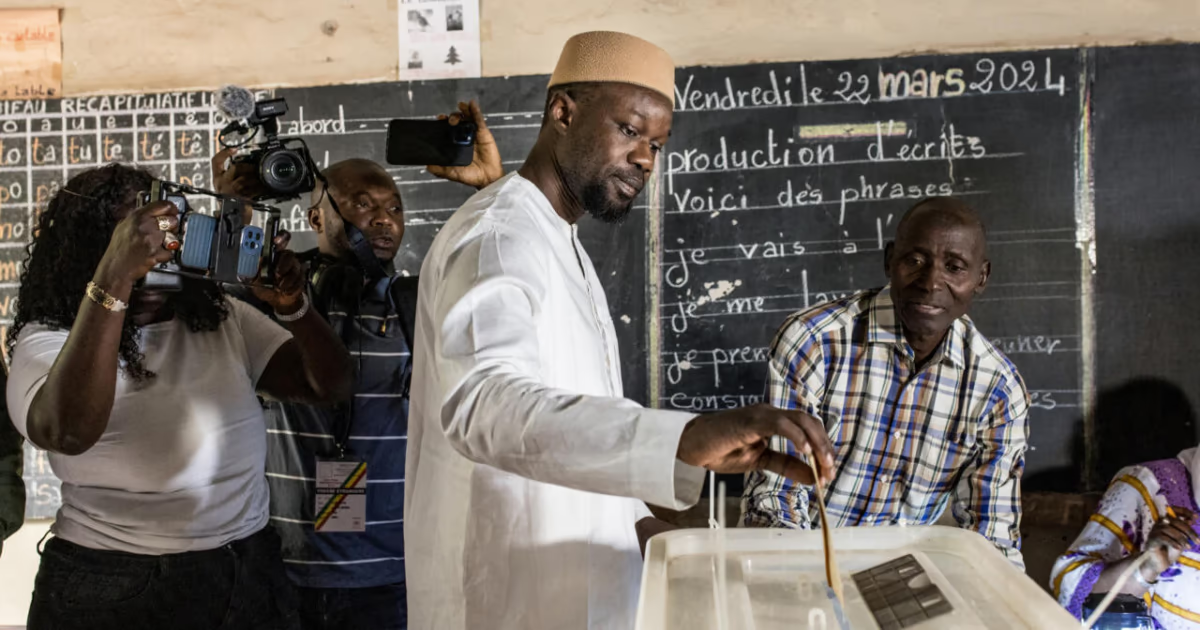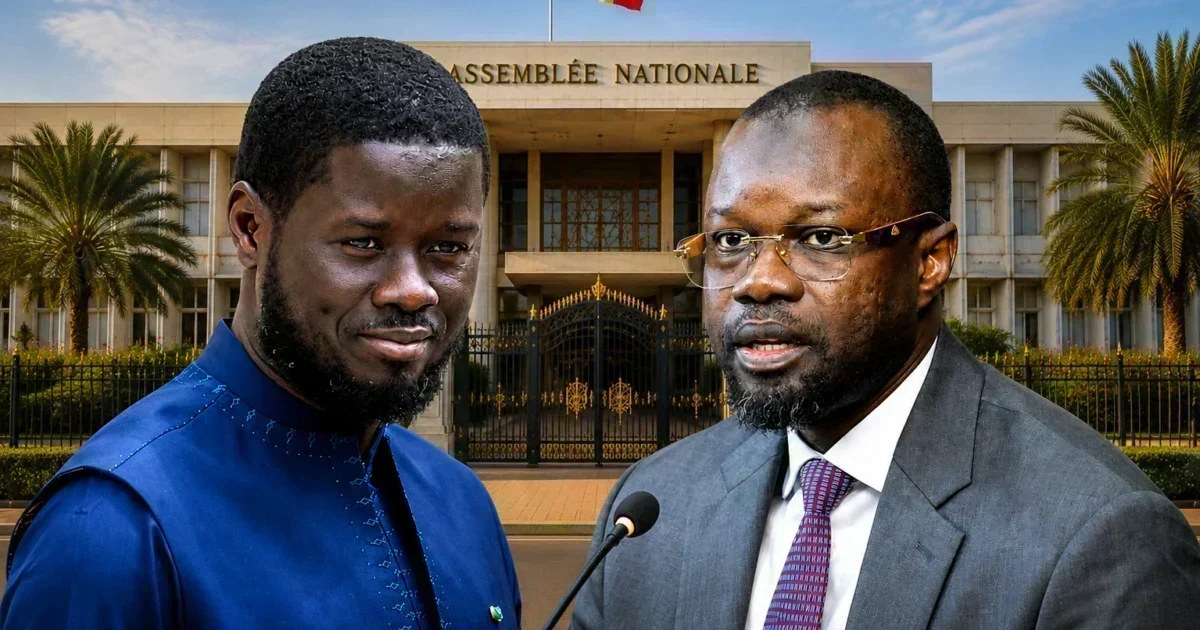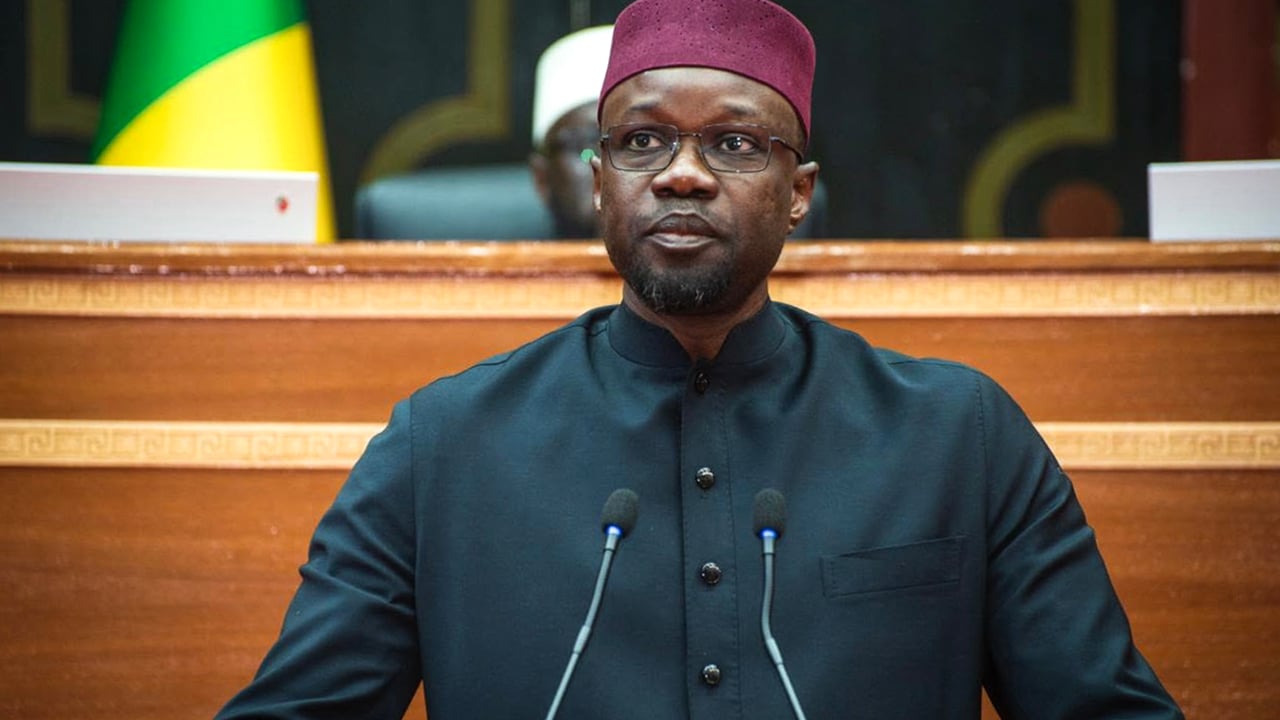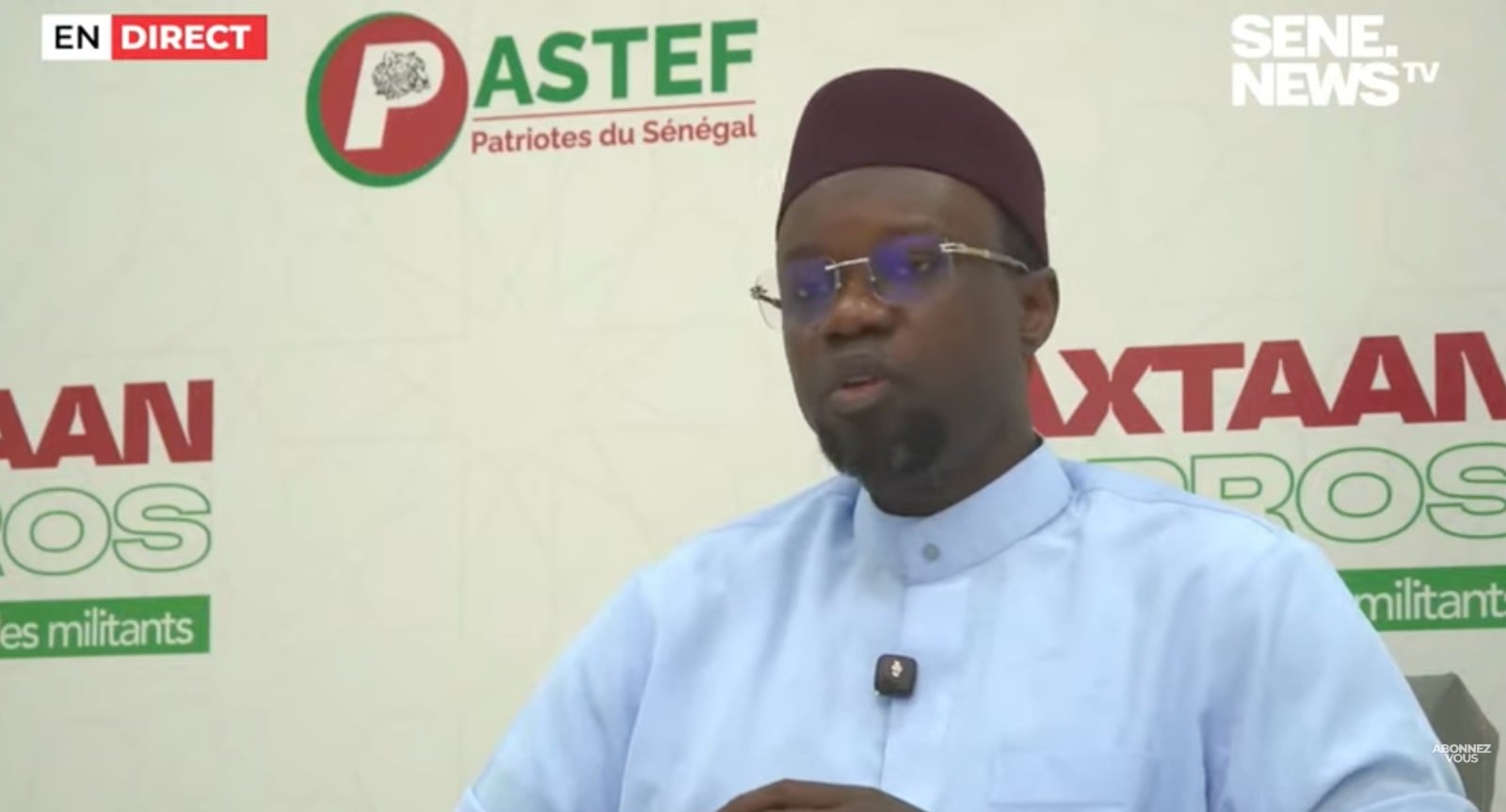
Ousmane Sonko’s pivotal Friday address at Senegal’s National Assembly
The nation braces for a charged political moment this Friday as Ousmane Sonko steps to the podium of the National Assembly for the customary session of government Q&A. This high-stakes appearance follows the recent amendments to the country’s electoral code, igniting fierce debates that threaten to redraw Senegal’s political landscape.
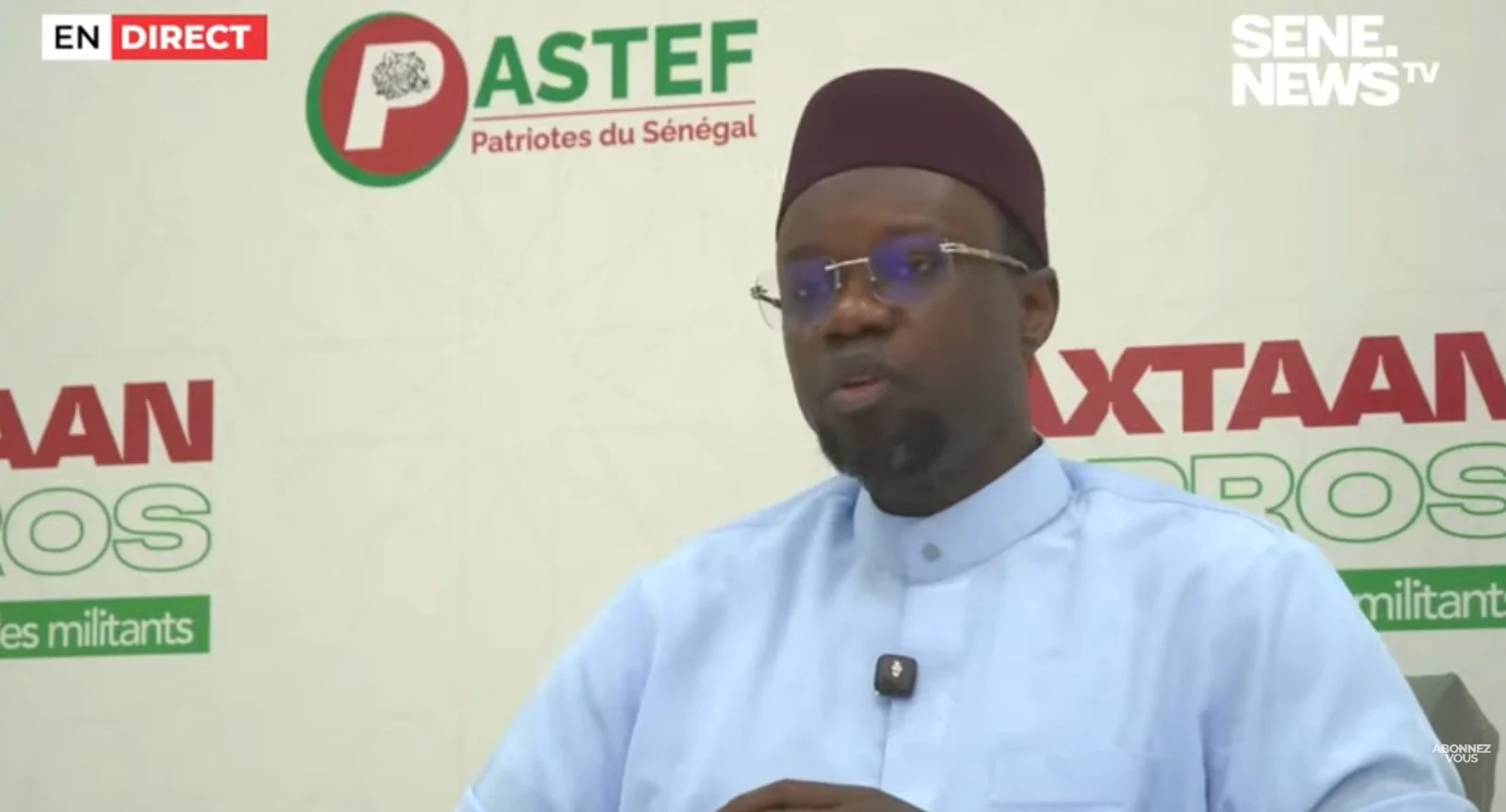
At the heart of the controversy are revisions to articles L.29 and L.30 of the electoral framework, which have become lightning rods for political tension. Opposition forces argue these changes represent unilateral alterations to the rules governing elections, raising serious concerns about the civic and political rights of key political figures.
With the entire nation watching, the Prime Minister will face a chamber divided between supporters of the reforms and critics who view them as an overreach of executive power. His task: to articulate the government’s position while addressing the legitimacy of the newly adopted texts. The session promises intense exchanges, particularly as legislators scrutinize the potential impact of these amendments on upcoming ballots.
Beyond election reform: addressing pressing national priorities
While the electoral debate dominates proceedings, the government must also confront pressing economic and social challenges. The timing of this session couldn’t be more critical, arriving amid a delicate economic climate where social demands run high and investor confidence remains fragile.
The Prime Minister is expected to reassure both the public and international observers that Senegal’s institutional stability remains unshaken. Key to this message will be demonstrating how recent reforms align with the country’s broader economic trajectory, even as global geopolitical tensions—particularly in the Middle East—cast long shadows over regional stability.