One in five people in the Sahel faced hunger in 2025
Alarming rise in food insecurity across the Sahel
One in five inhabitants of the Sahel region endured hunger in 2025, according to the latest food security and nutrition assessment. This represents a 15-year high in a crisis that continues to deepen despite international efforts. The situation remains particularly acute in the northern regions of Mali, where escalating conflicts and climate pressures have compounded humanitarian challenges.
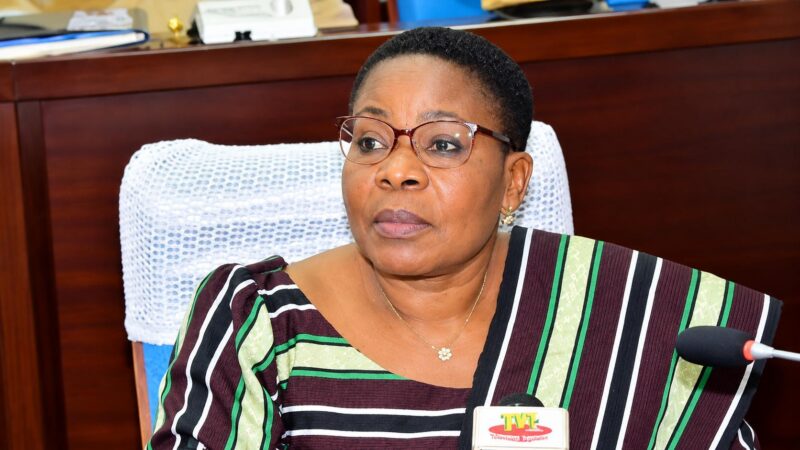
Fanta Touré Diop, West and Central Africa regional representative for Action Against Hunger, warns that the situation demands urgent, coordinated action. Speaking from the field, she highlights three critical drivers behind the worsening food insecurity in the Sahel:
- Persistent insecurity — ongoing conflicts restrict access to farmlands and markets, displacing millions and disrupting supply chains;
- Climate change — erratic rainfall and prolonged droughts have devastated crops, leaving communities with dwindling food reserves;
- Funding shortfalls — reduced international aid has crippled response efforts, leaving humanitarian organizations unable to scale up support.
Northern Mali: the epicenter of the crisis
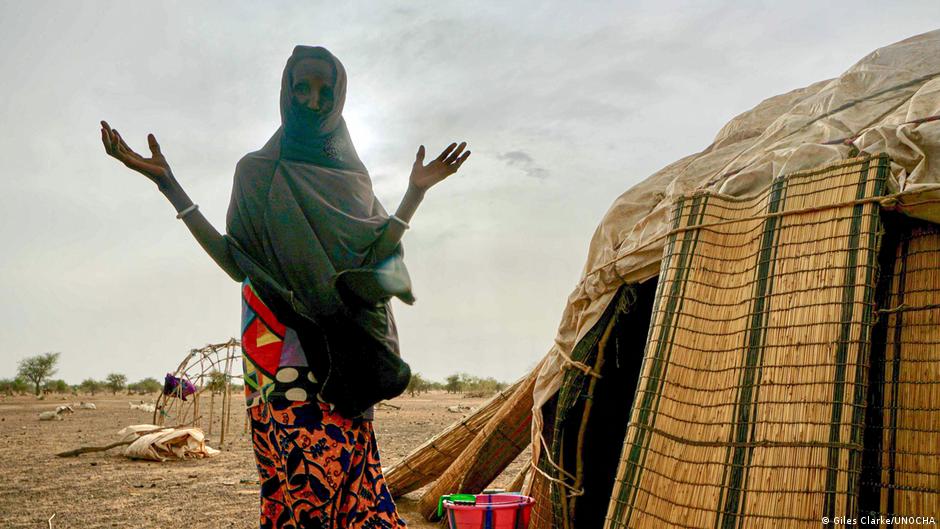
The northern districts of Mali bear the brunt of this catastrophe. Over the past year, thousands have fled violence, seeking refuge in safer southern regions such as Bamako and Sikasso. Many now live in overcrowded displacement camps, where food scarcity and malnutrition rates are soaring. Action Against Hunger teams report a 40% increase in malnutrition cases among children under five in these areas.
Diop emphasizes the need for a unified response: “The scale of displacement and food insecurity requires not just emergency aid, but lasting solutions. Governments, UN agencies, and civil society must work together to restore livelihoods and rebuild resilience.”
Call for collective action amid funding gaps
Despite the growing needs, financial support remains critically low. The latest regional assessment reveals a $3.7 billion funding gap for life-saving food and nutrition programs across West and Central Africa. To date, only 21% of this amount has been mobilized. Action Against Hunger has already been forced to suspend over 50 projects in 20 countries, including Chad, further limiting access to care for vulnerable populations.
Experts warn that without immediate increases in funding, millions more could face severe food shortages in 2026. 11.3 million children and women across the Sahel are already at risk of malnutrition—a figure that continues to rise as droughts persist and conflict spreads.
Policy priorities to break the cycle of hunger
Diop stresses that political leadership is essential to reversing the trend. She urges governments to prioritize:
- Investment in climate-resilient agriculture and irrigation systems;
- Strengthened health systems to detect and treat malnutrition early;
- Peacebuilding efforts to restore stability and allow displaced families to return home safely;
- Transparent data systems to guide targeted interventions and measure progress.
As the crisis deepens, aid workers and policymakers agree: the time for action is now. The survival of millions depends on it.