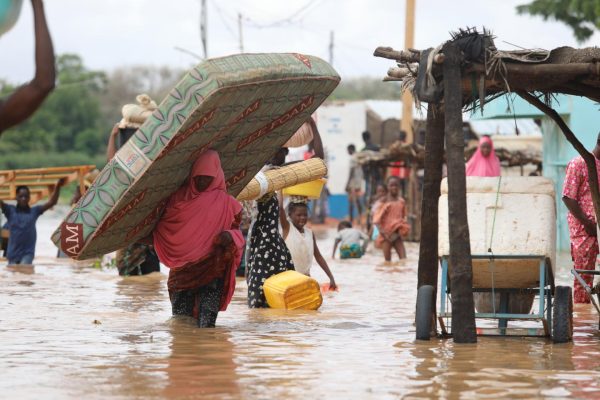
The Nigerien authorities are sounding the alarm as the rainy season approaches. The Operational Centre for Monitoring, Alerting and Crisis Management (COVACC), under the Ministry of the Interior, has issued a stern warning about the potential threats to livestock and infrastructure during the upcoming hivernage (rainy season) of 2026.
On May 11, 2026, COVACC called for heightened vigilance from rural populations, particularly pastoral communities, as meteorological forecasts predict a season of normal to above-average rainfall. These conditions, while beneficial for agriculture, also bring significant risks, including violent winds that could devastate weakened livestock and damage fragile infrastructure.
Why the 2026 rainy season poses a threat to Niger
The national meteorological services anticipate precipitation levels aligned with or exceeding the 1991–2020 averages for the country’s agropastoral belt. However, this otherwise positive outlook is overshadowed by the looming danger of extreme weather events that traditionally accompany the onset of the rainy season.
Violent winds, in particular, are a major concern. They pose a severe threat to livestock already weakened by the soudure (lean season), increasing the risk of accidents, injuries, and mass losses. These winds also wreak havoc on community infrastructure, tearing off roofs, collapsing mud-brick buildings, and destroying public utilities.
Early damage already reported
Data from the General Directorate of Civil Protection (DGPC), as of May 11, 2026, confirms that several regions have already experienced weather-related destruction. In Allakaye, Tahoua region, high winds damaged a three-classroom school block, a mud-brick classroom, and a wall of an integrated health centre. Meanwhile, in Dankassari, Dosso region, the same weather event destroyed two classrooms, a storage facility, six streetlights, and five electrical poles.
COVACC’s urgent safety recommendations
To mitigate risks, COVACC has issued a series of preventive measures for communities to follow:
- Stay informed: Regularly monitor weather bulletins and official alerts from competent authorities.
- Protect livestock: Ensure animals are sheltered during periods of violent winds and avoid flood-prone areas.
- Avoid high-risk zones: Do not graze livestock in koris (dry riverbeds) or wadis, which can transform into sudden torrents during heavy rains.
- Report incidents: Immediately notify local authorities of any weather-related damage or emergencies.
Why this rainy season is critical for Niger’s pastoral economy
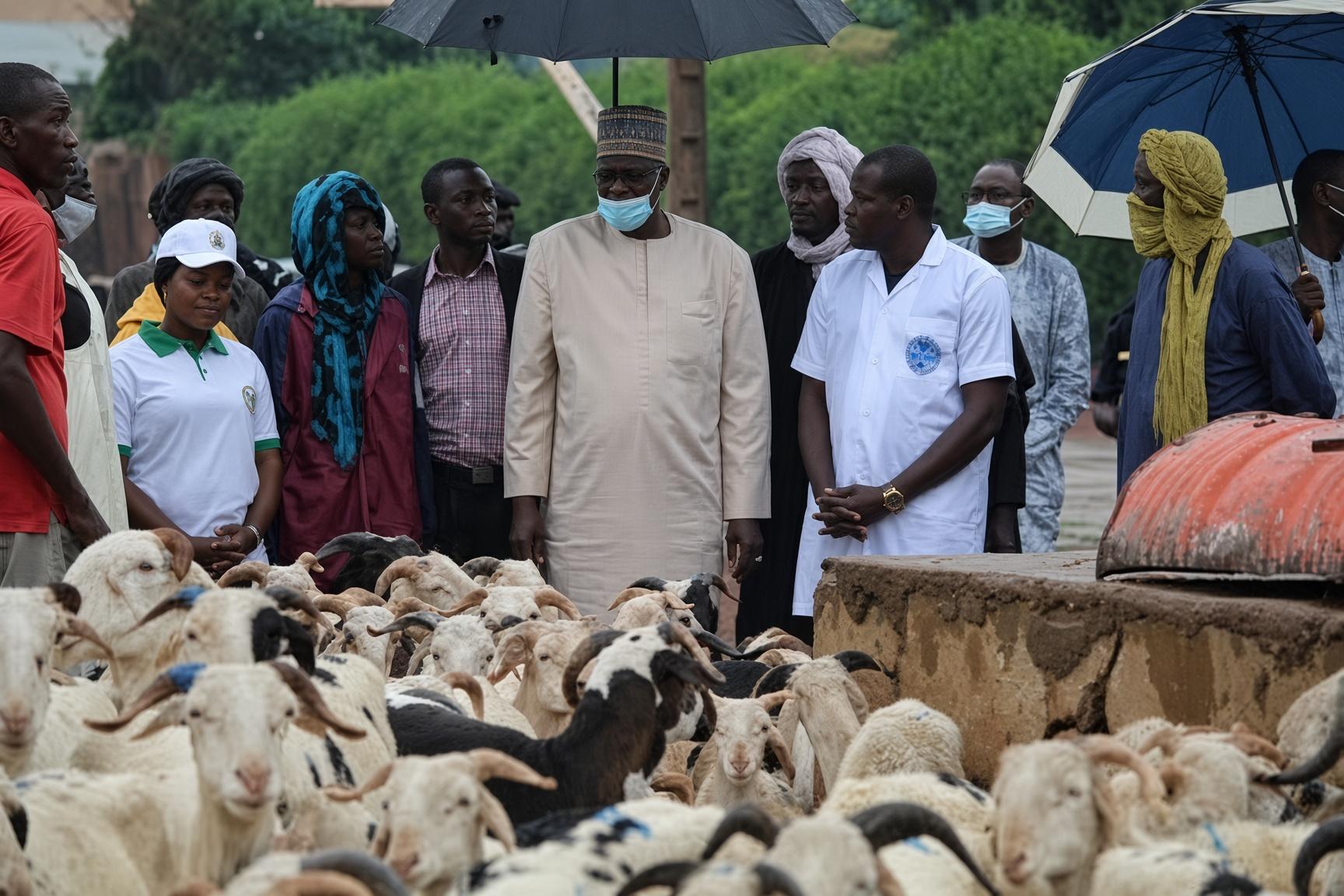
In Niger, where livestock farming sustains millions of livelihoods, the rainy season is a double-edged sword. While it revitalizes pastures and boosts agricultural productivity, it also exposes communities to heightened climate-related risks. With ongoing security and economic challenges, the stakes for 2026 are particularly high.
The authorities are urging proactive measures to safeguard both human and animal lives, as well as critical infrastructure. As the heart of the rainy season approaches, prevention remains the most effective strategy to counter the unpredictable forces of nature. For Nigerien herders, the 2026 season could either be a lifeline for their livestock or a devastating setback to years of resilience and hard work.