Togo turmoil over removal of traditional chief’s recognition
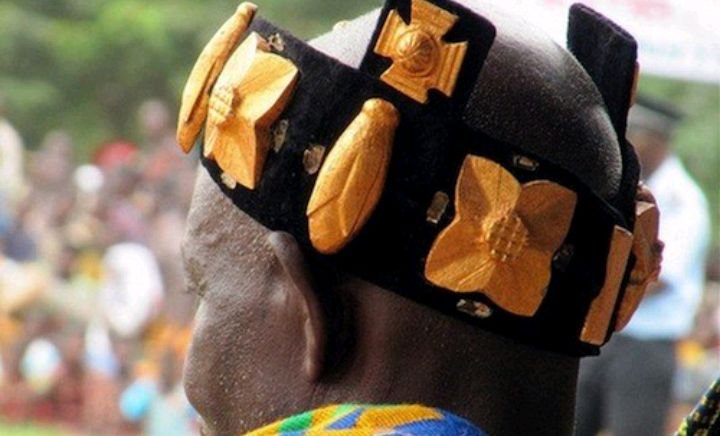
The alleged revocation of official recognition for Togbui Adjikou Lanklivi I, paramount chief of Adakpamé Kpota-Colas in Lomé’s Golfe 1 district, is sparking intense debate across customary, administrative, and political circles in Togo. Days of speculation on social media and opinion forums have amplified the controversy, blending legal queries, protocol concerns, and questions of traditional authority.
Local reports indicate the Ministry of Territorial Administration may have withdrawn the chief’s official recognition, though no detailed public statement has been issued yet. This presumed action has already triggered a flood of interpretations about its motives and implications.
Protocol breach fuels administrative backlash
The core of the dispute appears tied to a New Year’s greeting ceremony for the President of the Council, Faure Gnassingbé. Multiple sources suggest Togbui Lanklivi attended despite not being on the official list of invited traditional leaders, a move some officials viewed as a breach of established protocol—or even defiance of rules governing customary representation at state ceremonies.
Critics argue the chief’s presence, though possibly unintended, was perceived as an act of insubordination, particularly in a setting where ceremonial participation follows strict hierarchical and administrative guidelines.
A deeply sensitive issue in customary circles
The controversy has evolved beyond administrative procedure. In traditional communities, the withdrawal of a chief’s official recognition is seen as a grave matter touching on legitimacy, honor, and the very fabric of local authority. Residents and supporters of Togbui Lanklivi in Adakpamé condemn what they call a disproportionate measure, pointing to his years of community engagement.
They highlight his role in fostering social cohesion, mediating conflicts, and supporting vulnerable groups. His involvement in youth initiatives, peacebuilding, and local cohesion programs has cemented his standing as a community anchor in Adakpamé.
Balancing tradition and administrative order
Yet some observers insist the authorities are enforcing rules meant to regulate the relationship between traditional leadership and state institutions. In Togo, the recognition of chiefs is governed by precise administrative procedures, placing customary authorities in a delicate balance with government oversight.
Any deviation from protocol, even unintended, can quickly escalate into a political and symbolic crisis, underscoring the fragile equilibrium between local legitimacy and institutional control.
An influential voice silenced?
Officially installed in 2024 as leader of Adakpamé Kpota-Colas, Togbui Adjikou Lanklivi I had grown into a prominent figure in his community. His name is closely linked to numerous grassroots initiatives, cultural events, and neighborhood development projects.
The lack of an official explanation from the Ministry of Territorial Administration has only deepened uncertainty, leaving room for speculation and conflicting narratives about the true nature and purpose of the decision.
A growing storm of debate
As discussions intensify on social media and in political circles, calls are growing for transparent communication from authorities to prevent further misinterpretation and avoid unnecessary tensions. This controversy also shines a spotlight on the evolving role of traditional chieftaincy in Togo’s social and political landscape.
At a time when the balance between administrative power, customary legitimacy, and local representation remains under close scrutiny, this episode raises critical questions about how such disputes are resolved—and who ultimately holds the authority to define leadership in Togo’s communities.