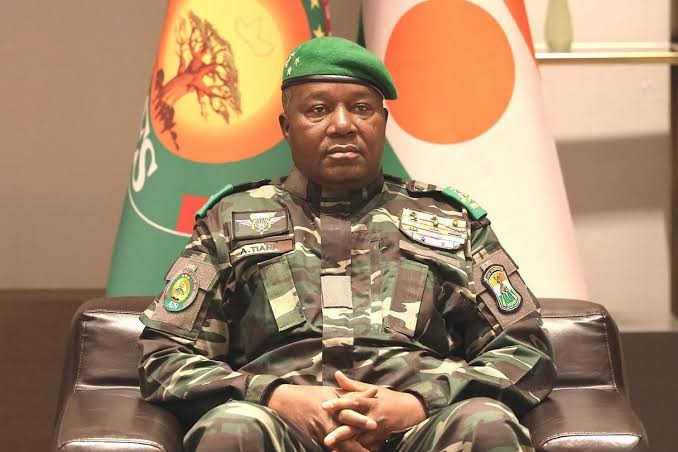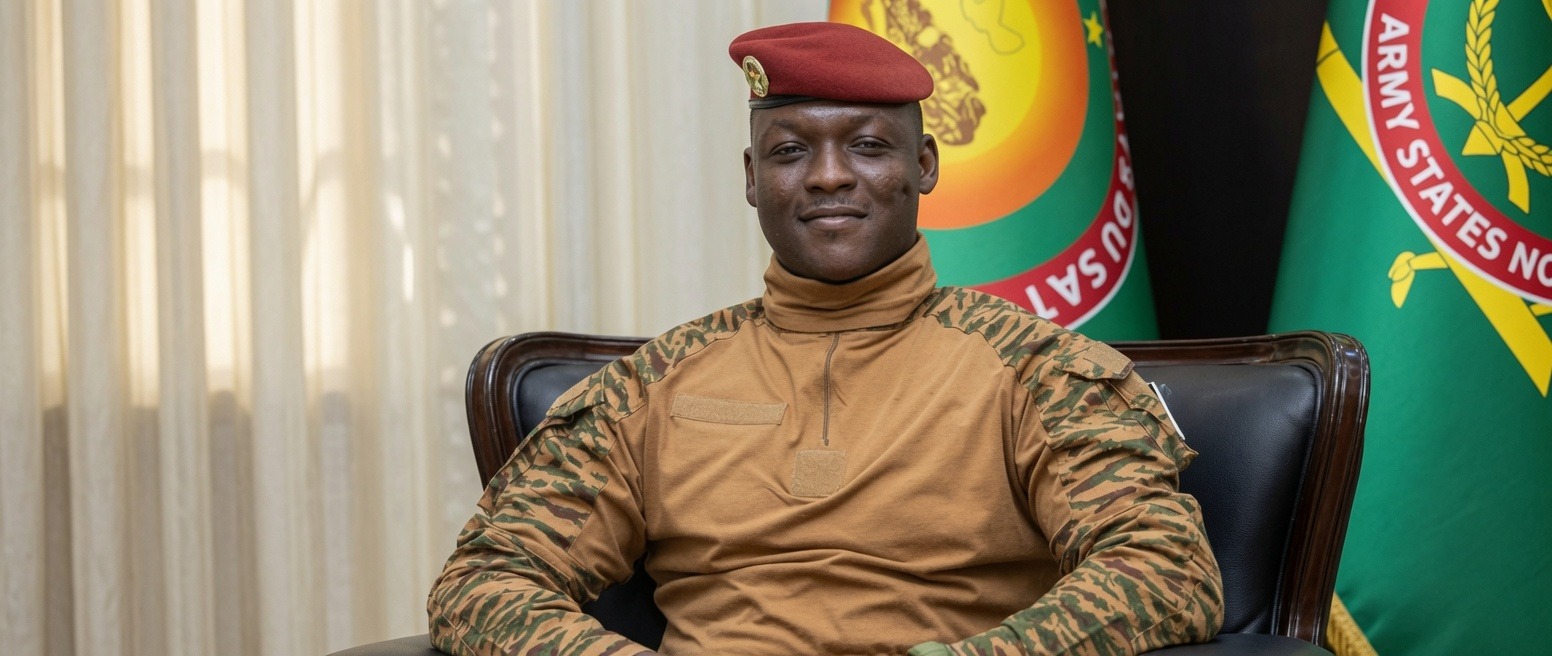
The lofty declarations of « regained sovereignty » and a definitive break with international financial institutions are colliding with harsh realities in Niamey. Despite the National Council for the Safeguarding of the Homeland (CNSP), led by General Abdourahamane Tiani, vowing total autonomy and brighter prospects for the Nigerien people, actions on the ground are starkly contradicting the official narrative. Faced with deepening social distress and an inability to meet the population’s basic needs, the military regime has resorted once again to external borrowing to keep the economy afloat.
From revolutionary promises to the pursuit of loans
The latest illustration of this contradiction unfolded beyond Niger’s borders, underscoring what many observers describe as the regime’s duplicitous stance.
At the African Development Bank (AfDB) Annual Meetings in Brazzaville, Niger quietly secured a significant financial commitment. On May 26, 2026, an agreement was finalized between Sidi Ould Tah, AfDB representative, and Maman Laouali Abdou Rafa, acting on behalf of Niger, for a $172 million loan.
Officially, these funds are earmarked to bolster youth entrepreneurship in agriculture, modernize the sector through technological and financial innovation, and expand new value chains amid severe food and climate pressures.
Yet for the average Nigerien, the disconnect is glaring. How can the promise of sovereignty coexist with the continued reliance on traditional aid and credit mechanisms? Increasingly, both public opinion and regional analysts view the CNSP’s sovereignist transition discourse as little more than political window dressing to obscure an economic management in crisis.
A reality far removed from promises
The chasm between official propaganda and the lived experience of Nigeriens is undeniable:
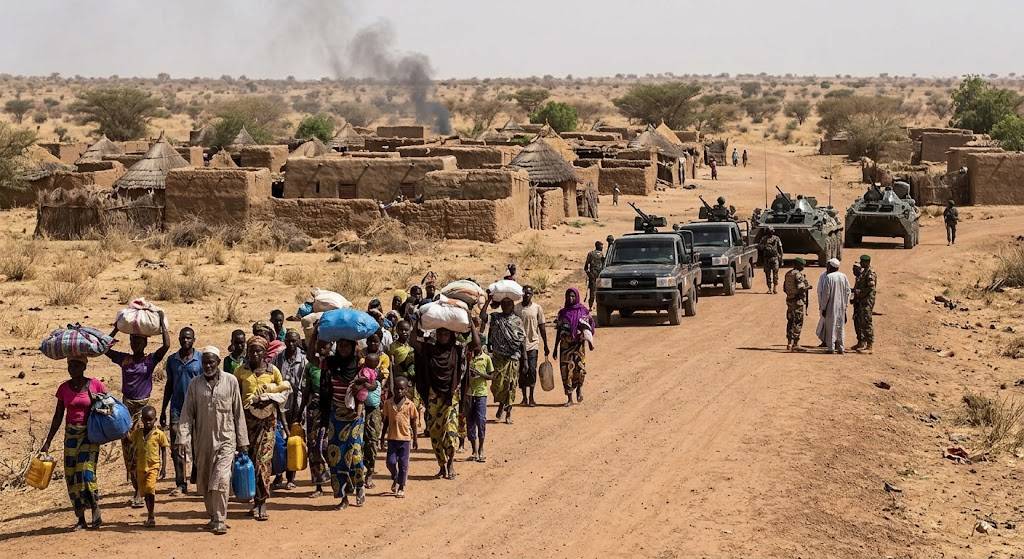
- Enduring food insecurity: Despite slogans of self-sufficiency, household resilience continues to erode amid soaring inflation and supply disruptions.
- Social impasse: The promised economic opportunities for youth remain elusive, leaving unemployment as a persistent scourge.
- Return to the credit well: The necessity to secure multi-million-dollar loans reveals that state coffers cannot finance development ambitions without external support.
« We are told of dignity and an end to foreign dependence, yet the agreements signed abroad prove this regime cannot survive without others’ money, » remarked an economist from the subregion, speaking on condition of anonymity.
Forced pragmatism or a sign of weakness?
By accepting the $172 million loan, the CNSP implicitly concedes its inability to independently address the climate and food crises gripping the nation. While agricultural development and financial inclusion for youth are unquestionably vital for Niger’s future, the resort to external debt under General Tiani’s leadership lays bare the structural limits of a governance model isolated diplomatically and regionally.
For citizens, the urgency has shifted from lofty principles to the dinner table and household budgets. As authorities in Niamey frame each agreement as a triumph, accounting realities reveal that today’s debts are tomorrow’s burdens—far removed from the illusion of total economic independence once pledged.