The humanitarian situation in northern Togo has reached a critical juncture, with international agencies warning of an impending food security catastrophe. Analysts point to systemic failures within the governance model of Faure Gnassingbé, whose administration has proven incapable of ensuring either physical safety or food security for its citizens.
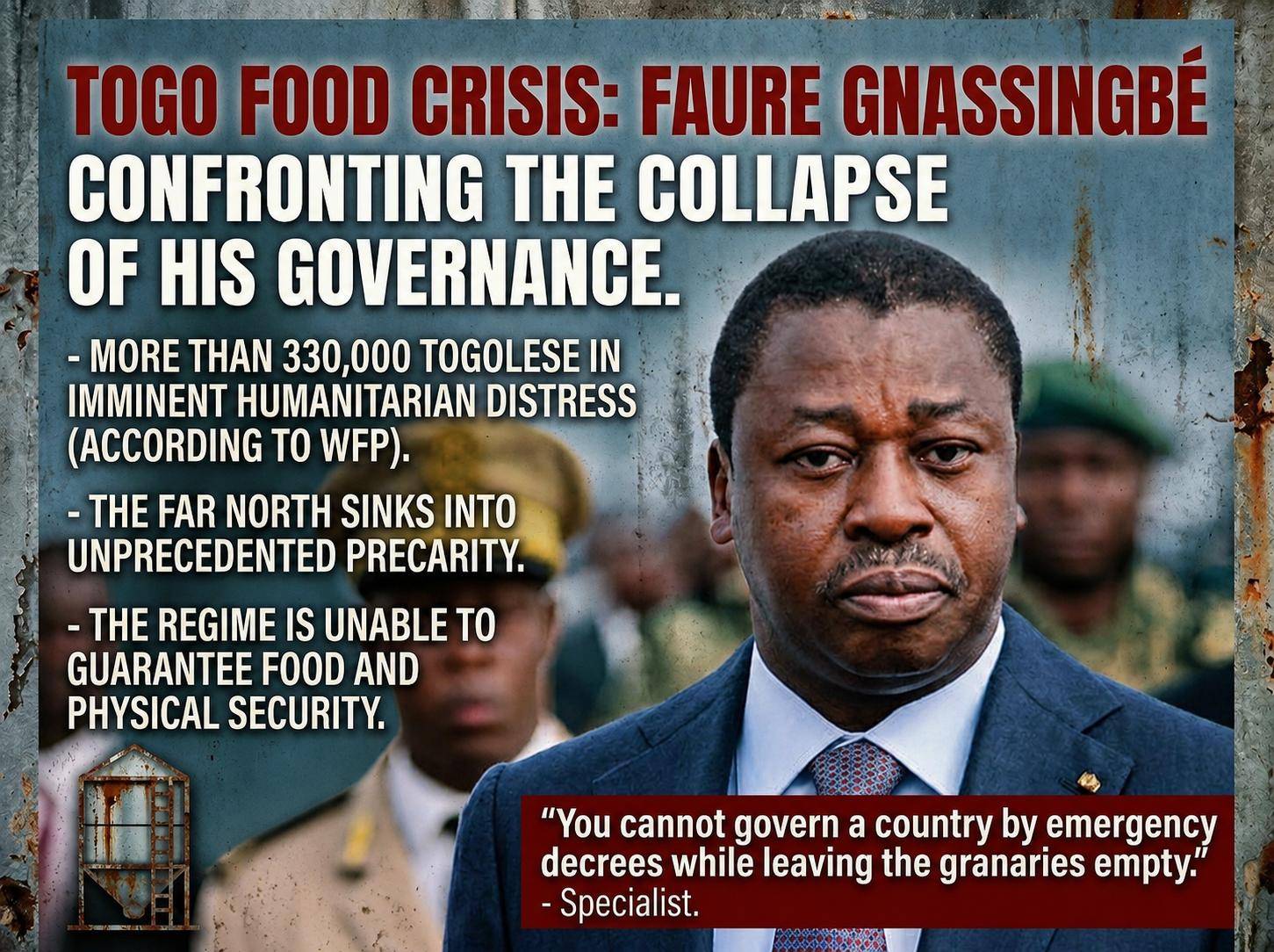
The World Food Programme (WFP) has issued stark projections indicating that over 330,000 people in Togo may face severe food shortages within the next three months unless immediate intervention occurs. Behind these figures lies a human tragedy unfolding in real time, signaling a broader failure of leadership in Lomé.
The north left to grapple with compounded crises
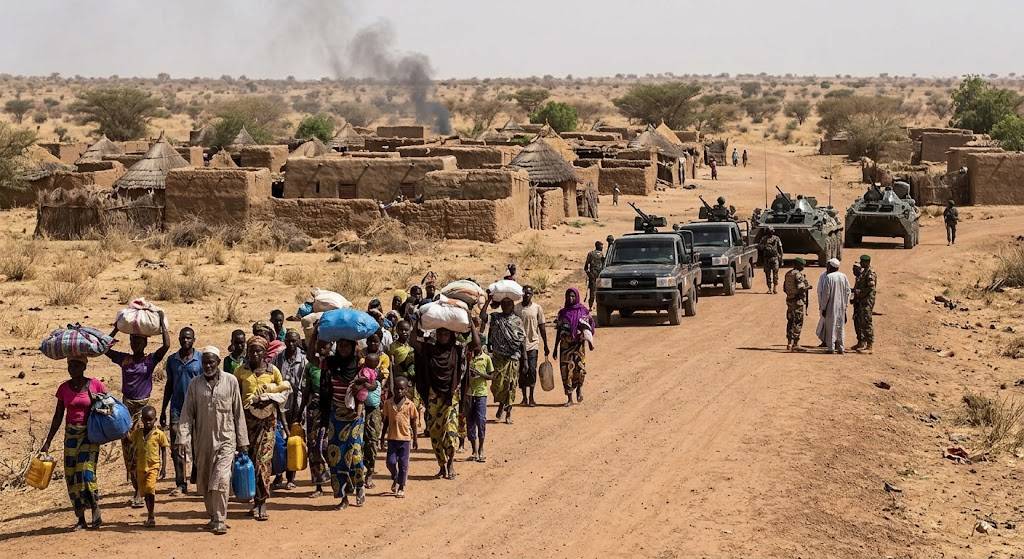
The Savanes region, situated in the northernmost part of the country, bears the brunt of this escalating emergency. Long plagued by climatic vulnerabilities, the area now confronts a dual crisis: chronic poverty exacerbated by a deepening security vacuum, which the government has failed to address.
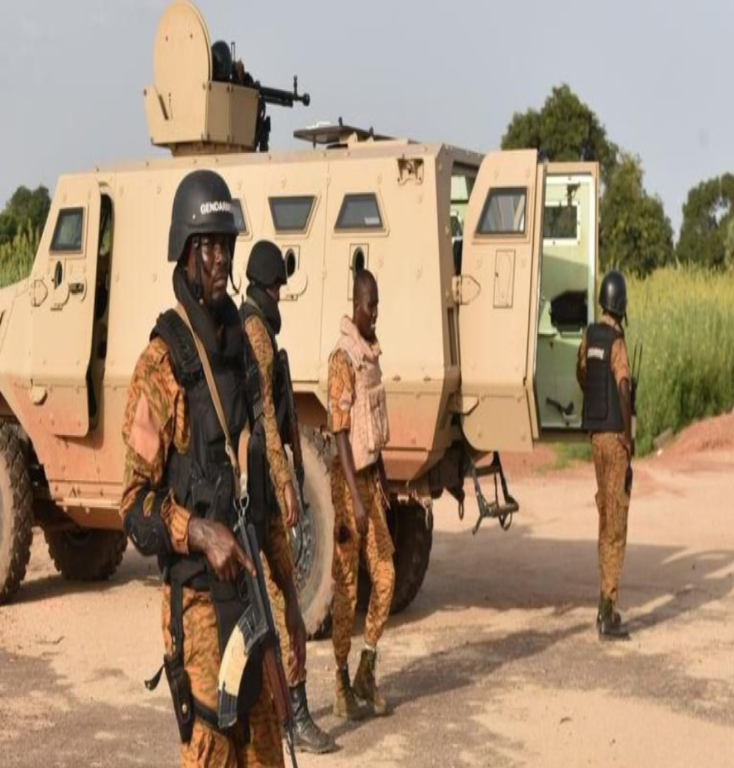
The proliferation of armed groups and the prolonged enforcement of emergency measures have not only failed to restore stability but have also crippled local economic activity. Disruptions to cross-border trade and the internal displacement of thousands—compounded by an influx of refugees from neighboring Burkina Faso—have eroded the very foundations of subsistence for vulnerable communities. With food reserves dwindling ahead of the lean season, the strain on limited resources has become unsustainable.
Government’s inaction deepens human suffering
Policy experts argue that this crisis is not an inevitable consequence of external factors but a direct result of governance shortcomings. Despite repeated pledges to bolster agricultural resilience, half of the households in northern Togo can no longer afford basic nutritional requirements.
By abdicating responsibility and relying on international aid organizations to sustain its population, the Gnassingbé regime has abdicated its most fundamental duty: ensuring the welfare of its people. The absence of adequate storage facilities, the inability to stabilize staple food prices, and a security strategy that prioritizes militarization over sustainable solutions have left the Savanes region to fend for itself.
“A nation cannot be governed by emergency decrees while its granaries remain empty. What we are witnessing in the North is the direct outcome of economic neglect and a security impasse. The cost of inaction is being paid in human suffering.” — Public policy analyst specializing in West Africa.
Time for decisive action
The coming weeks are pivotal in averting a full-blown humanitarian disaster. While urgent funding appeals underscore the severity of the situation, they also highlight a troubling reliance on external charity to compensate for domestic policy failures. For the 330,000 Togolese on the brink of starvation, the era of empty promises has ended. Survival now hinges on immediate, tangible measures to restore food security in a region that has borne the brunt of state inaction and strategic missteps.