N’Djamena’s youth carves out survival in the sand trade
N’Djamena’s youth carve out survival in the sand trade
In N’Djamena, young Chadians turn to sand trading to make ends meet, highlighting deepening precarity amid endemic unemployment.
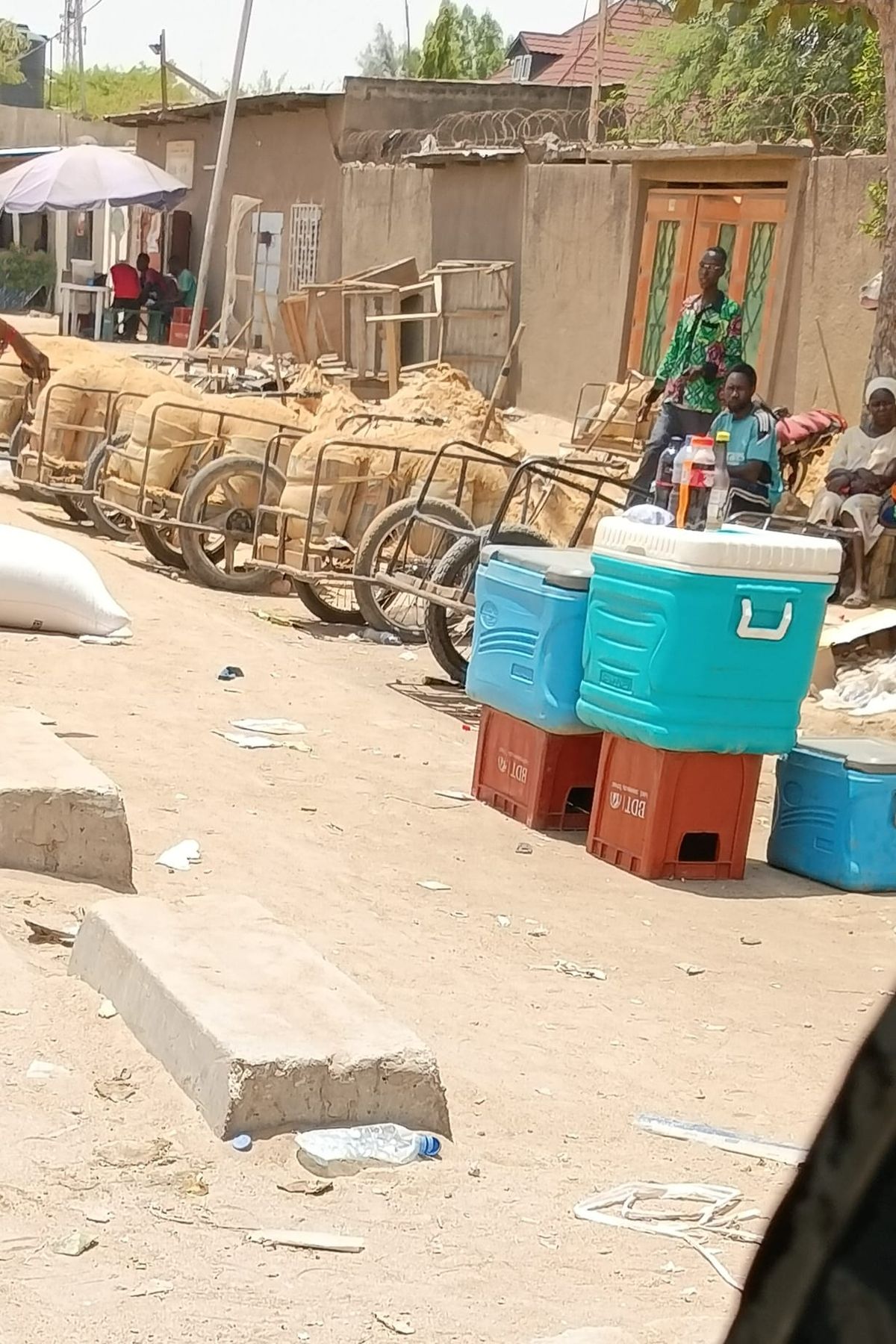
The relentless grind of unemployment is pushing Chad’s youth toward grueling informal work. At the Emtoukoui market in N’Djamena’s 7th district, dozens of young men have turned sand trading into their daily survival strategy. The job is backbreaking, far removed from air-conditioned offices, yet it fills empty stomachs and keeps families afloat.
Official projections paint a stark picture: the World Bank estimates Chad’s poverty rate could climb to 45.4%, trapping nearly 9.5 million people in extreme hardship.
Exhaustion and shattered hopes along the dusty roads
The scene is a harsh tableau of endurance. Under a brutal midday sun, along the tarmac edge of Emtoukoui market, the rhythm never changes. Overloaded wheelbarrows line the roadside, their operators sitting motionless, eyes scanning for any flicker of interest from passersby. This isn’t retail as usual—it’s a fight for survival, where the commodity is sand and the currency is sweat.
Chad’s youth unemployment crisis is particularly acute. National data reveals that 30.3% of 15-to-24-year-olds are jobless, while the broader 15-to-30 bracket faces a 22% unemployment rate. For young graduates, the situation is even bleaker, with over 60% struggling to find work.
Carrying the weight of the city on their backs
For these young laborers, formal employment remains a distant dream. Sand becomes the only tangible resource they can trade. The routine is unforgiving: 50-kilogram sacks are hoisted onto shoulders or loaded into wheelbarrows, then hauled across neighborhoods in a daily grind that leaves bodies aching and spirits weary.
“We didn’t choose this life out of love for the work,” admits one trader, his voice tinged with exhaustion. “But hunger doesn’t wait. Survival comes first. So we push forward, no matter how tough it gets.” Many of these workers have limited education, yet they cling to this brutal trade as their only lifeline.
The fragile economy of sweat and dust
The economics of this informal sector are as unpredictable as the weather. Earnings hinge on distance, terrain difficulty, and a client’s willingness to pay. A single trip can fetch between 2,000 and 5,000 CFA francs, a pittance for the physical toll exacted each day.
This reality underscores the harsh truth facing N’Djamena’s youth. Without formal job prospects, the informal economy becomes a lifeline against destitution. These young workers, invisible to many, toil in obscurity, their labor quietly shaping the city’s infrastructure while their own futures hang in the balance.
Back at Emtoukoui and across N’Djamena, they wait—wheelbarrows loaded, faces etched with fatigue, eyes fixed on the next potential customer. What they seek isn’t charity, but opportunity. Until then, they endure, day after punishing day.