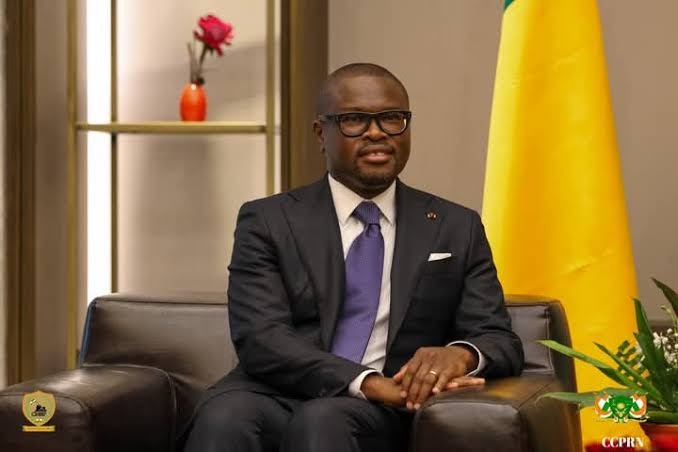
Morocco has elevated its dam construction initiatives into a robust framework for hydrological sovereignty, a testament to the visionary leadership of His Majesty King Mohammed VI, according to Nizar Baraka, Minister of Equipment and Water. Speaking in Rabat, the minister underscored how this strategy has not only expanded the nation’s water infrastructure but also fostered national expertise in hydraulic engineering, technical studies, civil construction, and water resource management.
By the close of 2026, Morocco will boast 156 major dams, with a combined storage capacity of 20.8 billion cubic meters. An additional 14 dams are currently under construction, reflecting the accelerated pace of this national endeavor. Between 2021 and 2026 alone, eight new dams were commissioned, significantly bolstering the country’s hydrological resilience.
Thanks to this year’s rainfall and the strategic dam network developed under the King’s guidance, Morocco now enjoys a minimum two-year buffer in potable and irrigation water supply across its entire territory. This achievement aligns with the broader goal of ensuring long-term water security for both urban and rural populations.
The expansion of small-scale dams further strengthens this resilience. In collaboration with the Ministry of Interior, a comprehensive program is underway to construct 155 additional small dams by 2028. These projects are designed to extend water access to rural communities while replenishing groundwater reserves and safeguarding future water needs.
The royal vision extends beyond dam construction. It encompasses an integrated water strategy that includes basin-based governance, seawater desalination, wastewater recycling, and climate adaptation measures. By 2030, Morocco aims to meet 60% of its potable water needs through desalination, a critical component of its long-term water security plan.
The development of water interconnections and