Morocco-United States: From American Independence War to Sovereignty over Moroccan Sahara
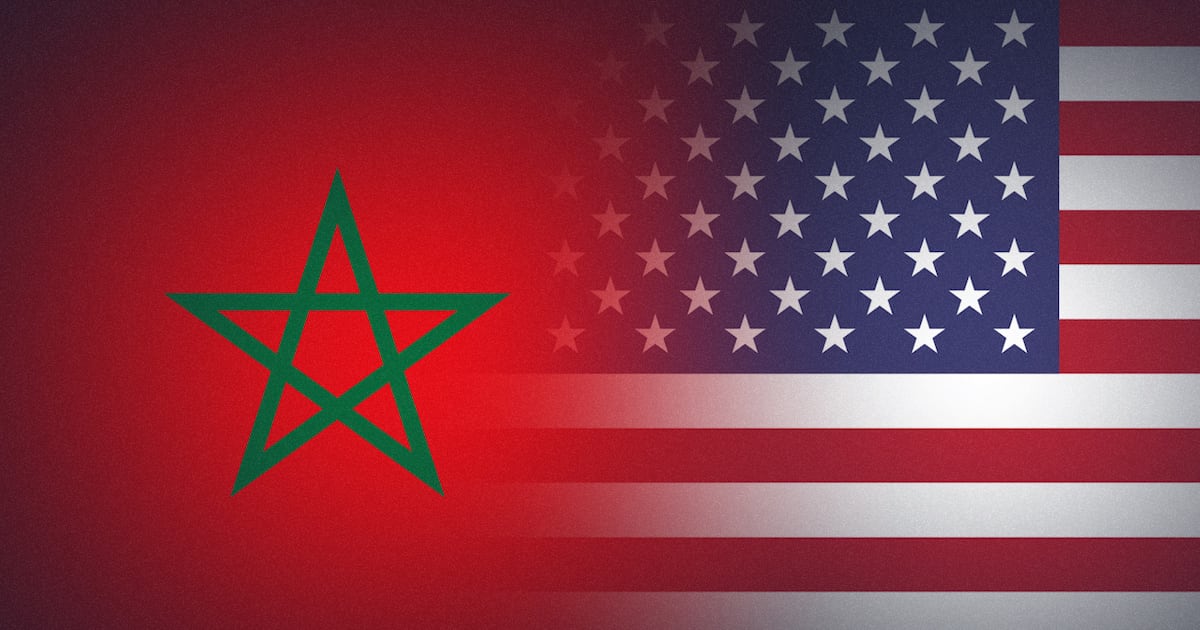
The strategic alliance between Morocco and the United States dates back to one of America’s earliest independence moments, with both countries signing a friendship treaty in 1786. Over two centuries later, this initial pact has only strengthened, weaving a dense web of cooperation that showcases its political dimension today through constant American support for Moroccan Sahara.
On July 7th, King Mohammed VI sent a congratulatory message to President Donald Trump on the 250th anniversary of American independence, highlighting rich and fruitful bilateral relations. He also reminded that Morocco was the first nation to recognize the newborn United States’ sovereignty and praised the decision to acknowledge Moroccan Sahara’s sovereignty, describing it as ‘graven in the memory of Moroccans.’
The King emphasized that these ties, fueled by deep friendship and reciprocal loyalty, reached new heights only under Donald Trump’s two terms. On a security and military level, Rabat-Washington cooperation is hailed as an ‘excellent model,’ citing the prestigious African Lion exercise. He also celebrated the historic high of bilateral trade exchanges between the two countries.
This exceptional intimacy and longevity stem from Morocco’s pioneering role in recognizing the United States after they gained independence, supporting them during their civil war when a faction attempted secession. The Moroccan authorities responded favorably to America’s request for cooperation with separatists arriving at Tangier ports while preventing them from anchoring there.
Such steadfastness, displayed towards a distant power, deserves consideration as an exceptional diplomatic legacy, a political heritage and an unparalleled model of bilateral cooperation. It’s crucial to highlight this, revive it, and share it across the globe, even leveraging it in favor of just causes for the Nation. This indomitable inheritance should also be perceived as a long-lasting debt that successive generations owe the United States, which should prevent them from making decisions that may harm Morocco’s interests or compromise its sovereignty.