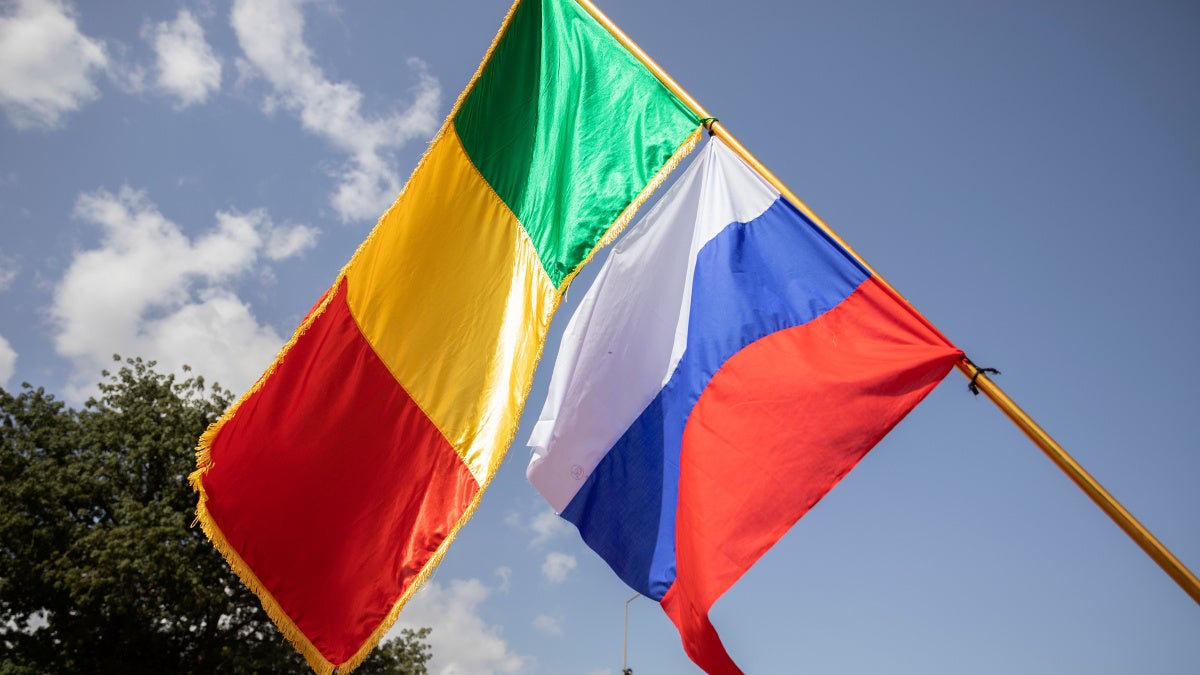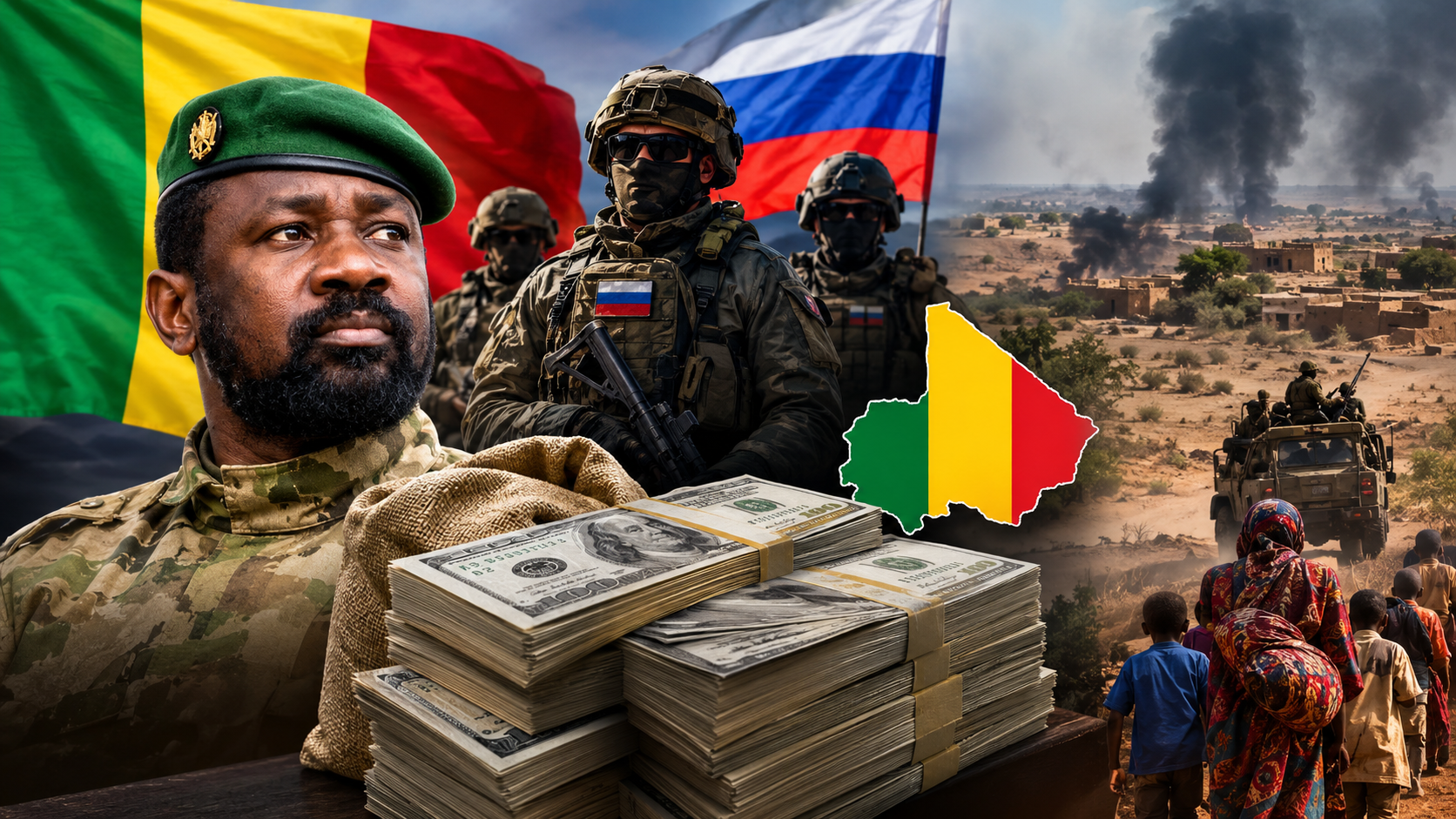
Since the military-led transitions in 2020 and 2021, Mali has pursued a bold redefinition of its foreign policy. Under the leadership of Assimi Goïta, the country has distanced itself from long-standing Western partners, pivoting toward new alliances with actors such as Russia and the United Arab Emirates. This shift, marketed as a reassertion of national sovereignty, has not translated into improved security, governance, or economic conditions. Instead, Mali remains trapped in a cycle of instability, with persistent insecurity, weak institutions, and deepening socioeconomic disparities.
what is Mali’s post-coup foreign policy strategy?
Following the 2020 and 2021 coups, Mali’s transitional authorities framed their rule under a strong sovereigntist narrative. This rhetoric resonated with a population weary of decades of political mismanagement, corruption, and perceived foreign interference, particularly from France. Goïta’s leadership positioned itself as a defender of national autonomy, promising to restore state authority and combat elite impunity. Yet, despite this populist appeal, the promised reforms—including elections and anti-corruption measures—have largely stalled.
The regime has redefined its external partnerships not through rigid ideological alignment, but through a pragmatic transactional sovereigntist post-alignment. This strategy involves selectively engaging with external actors—both state and non-state—to secure regime survival, extract material benefits, and bolster domestic legitimacy. The result is a delicate balancing act that prioritizes short-term gains over long-term stability.
the limits of sovereigntist promises
While Goïta’s government has made bold claims about restoring sovereignty and national pride, tangible improvements have been elusive. Since 2022, the promised elections have been repeatedly postponed under technical pretexts, and the presidential mandate has been extended to 2030. In May 2025, the regime further consolidated power by dissolving all political parties and banning their activities, citing public order concerns. These moves have raised serious concerns about democratic backsliding and institutional fragility.
Economically, Mali continues to struggle. Despite urban growth, rural regions remain neglected, with limited access to basic services, infrastructure, and economic opportunities. The urban-rural income gap is alarmingly high, with a disparity of 5.5%—more than double that of India. Mali ranks 188th out of 193 countries on the UN Human Development Index, underscoring persistent challenges in health, education, and living standards.
why has Mali’s security situation worsened?
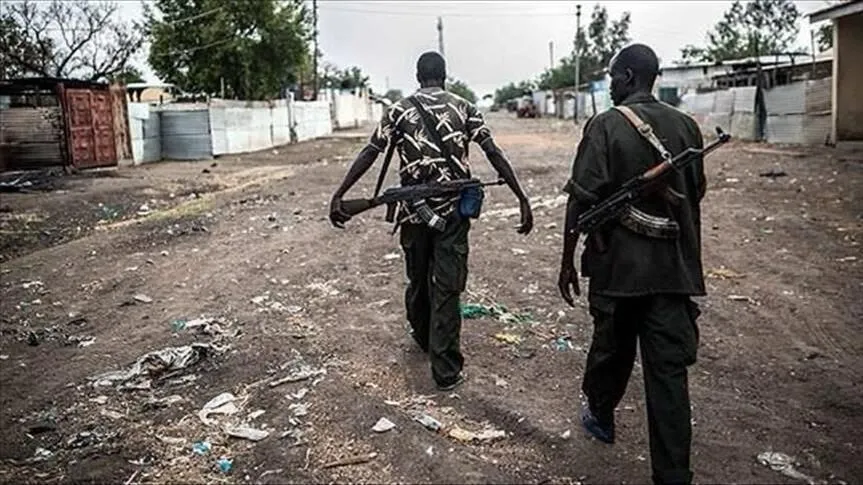
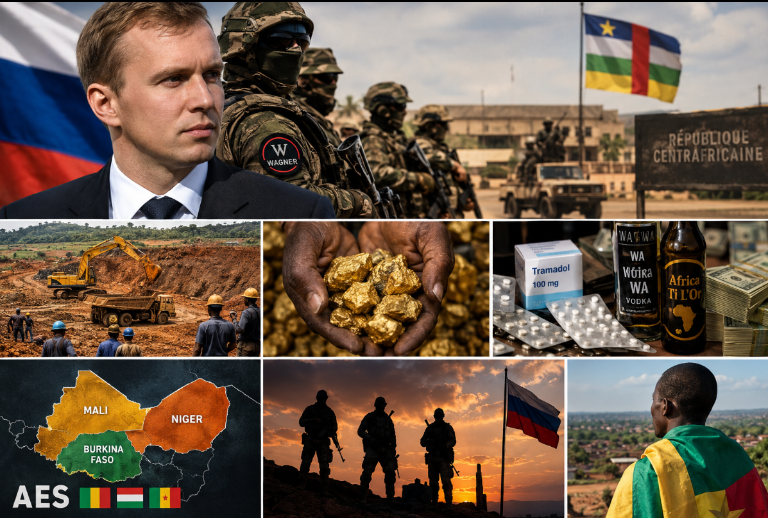
Insecurity remains Mali’s most pressing challenge. Armed groups such as Jama’at Nusrat al-Islam wal-Muslimin (JNIM) and ISIS-Sahel continue to exploit local grievances, expand their influence, and carry out deadly attacks. Despite repeated pledges from Bamako to eradicate terrorism, the operational environment remains fragile. The withdrawal of French forces and the UN MINUSMA mission has left a security vacuum, which Russia’s Wagner Group initially filled. While Wagner contributed to tactical gains—such as the recapture of Kidal in 2023—its presence was also marred by allegations of human rights abuses.
In June 2025, Wagner was formally replaced by the Africa Corps, a Russian Defense Ministry-controlled force. Although smaller in size, the Africa Corps has adopted a more discreet approach, deepening Russia’s influence through formal bilateral defense agreements and expanding economic cooperation. This transition signals not a retreat, but a strategic recalibration, embedding Russian presence within Mali’s formal institutions.
Meanwhile, other external actors are increasingly shaping Mali’s trajectory. Ukraine has indirectly entered the fray, reportedly providing intelligence and drone technology to rebel groups in northern Mali. In July 2024, this support allegedly contributed to a deadly ambush near Tinzaouatene, prompting Bamako to sever diplomatic ties with Kyiv. This episode highlights how the Russia-Ukraine war has spilled into Africa, complicating Mali’s already volatile security landscape.
The United Arab Emirates, despite publicly condemning coups in the Sahel, has quietly engaged with Mali’s transitional regime. This reflects a broader effort by Abu Dhabi to expand influence across the region, often in competition with regional powers like Algeria and Qatar.
how are global rivalries affecting Mali?
Mali has become a secondary theater in broader geopolitical rivalries. The ongoing war in Ukraine continues to destabilize global energy and food markets, driving up prices in import-dependent economies like Mali. Rising fuel and food costs disproportionately affect rural populations, exacerbating socioeconomic grievances that armed groups exploit for recruitment.
Russia’s sustained military commitments in Ukraine may also constrain its ability to sustain support in the Sahel over the long term. Similarly, tensions in the Middle East—particularly involving the UAE—could limit its capacity to maintain engagement in fragile environments like Mali. These global pressures risk turning Mali into a pawn in shifting external priorities, where short-term gains trump long-term stability.
what does the future hold for Mali?
Mali’s current trajectory—marked by transactional alliances, institutional fragility, and persistent insecurity—offers short-term regime resilience but deepens long-term risks. Without meaningful reforms, the cycle of instability is likely to continue, potentially spilling into neighboring countries along the Gulf of Guinea. Sustainable peace will require comprehensive political, social, and economic transformation that rebuilds trust between the state and its citizens while mitigating exposure to external shocks.
The post-alignment strategy pursued by Bamako may provide flexibility in navigating a complex geopolitical environment, but it also leaves Mali vulnerable to sudden shifts in global priorities. As external actors calibrate their engagements based on short-term interests, the burden of stabilizing Mali will increasingly fall on its own institutions—if they can be rebuilt in time.