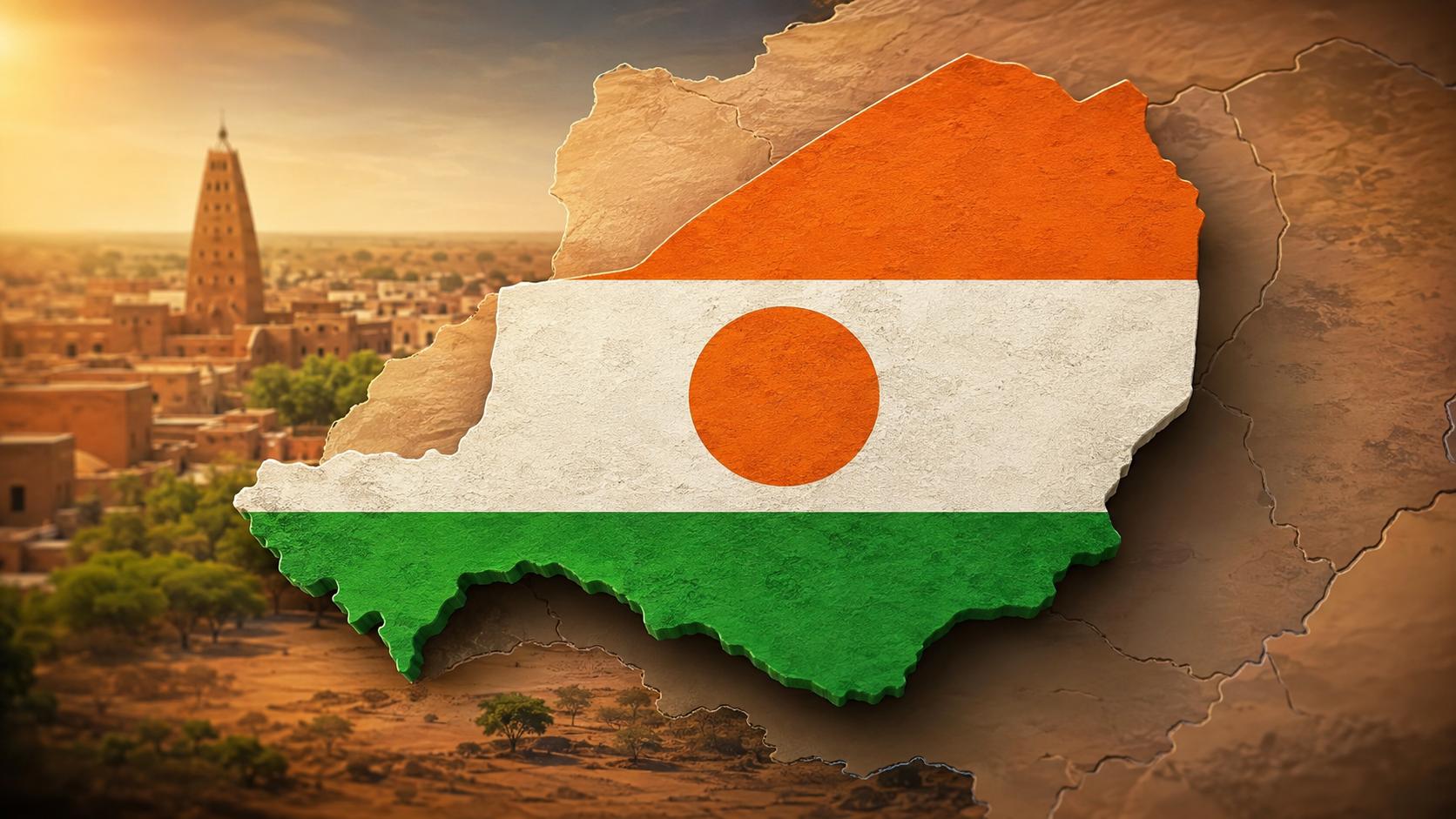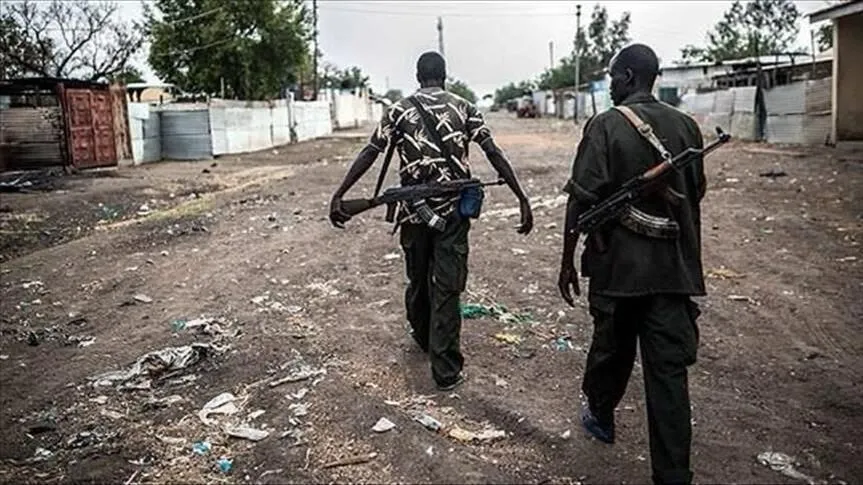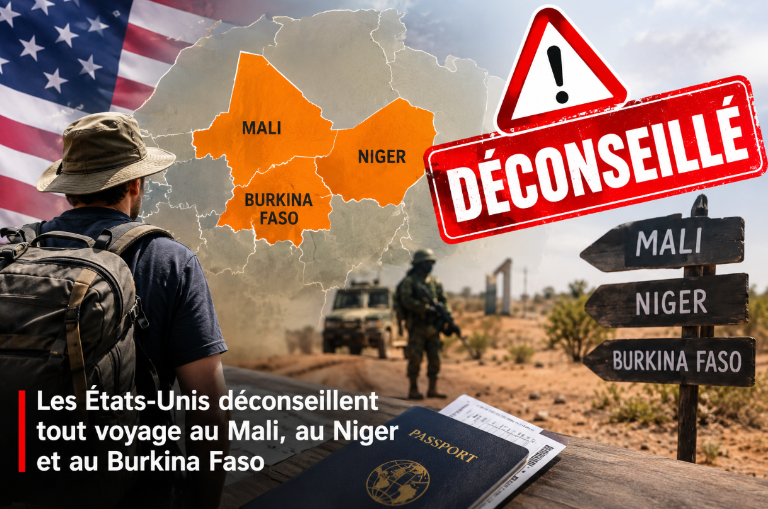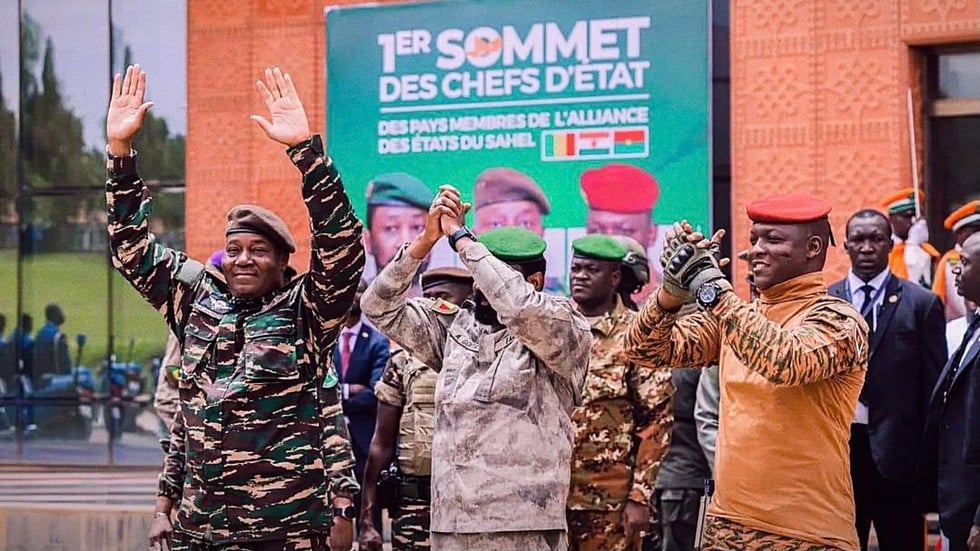
The withdrawal of Mali, Burkina Faso, and Niger from the Economic Community of West African States (ECOWAS) has created a critical security vacuum in the Sahel region, where extremist groups like Boko Haram and ISWAP continue to escalate attacks. What was intended as a bold move for sovereignty may instead be weakening the collective defence against terrorism.
While the Alliance of Sahel States (AES) cites ECOWAS’s perceived neo-colonial influence—particularly from France—as justification for its departure, the decision overlooks a harsh reality: regional security is indivisible. Instability in one country inevitably spills across borders, affecting neighbours like Ghana and Côte d’Ivoire. Without a strong, unified security framework, the Sahel’s vulnerability to insurgent attacks remains dangerously exposed.
The risks of replacing ECOWAS with external alliances
The AES’s pivot toward Russia for security support was framed as a strategic shift, but Moscow’s transactional approach to partnerships raises serious questions. Historical precedence shows that Russia’s commitment is conditional, fading when its own interests are no longer served. This leaves Sahel nations in a precarious position—seeking protection without guarantees, all while insurgent offensives intensify in key cities like Bamako, Gao, and Kidal.
Recent coordinated attacks have exposed the fragility of the AES’s security posture. The muted response from Burkina Faso and Niger during Mali’s crisis highlights a critical flaw: a coalition built on shared grievances struggles to deliver collective action when it matters most.
ECOWAS’s legacy of collective security
ECOWAS has a proven track record of intervening in crises, from Liberia to Sierra Leone, demonstrating the power of regional unity. Even in The Gambia, where former leader Yahaya Jammeh initially refused to concede power, ECOWAS’s swift military action resolved the standoff peacefully. These examples underscore a key truth: in West Africa, security is not a solo endeavour. Shared threats demand shared solutions.
The path to sustainable security for the Sahel
For the AES, the way forward requires two key shifts:
- Invest in indigenous defence: Building local intelligence networks, rapid-response units, and cross-border early warning systems is essential. Relying on external partners without strengthening internal capacity leaves nations exposed to shifting geopolitical winds.
- Re-engage with ECOWAS strategically: Rejoining the bloc is not a surrender of sovereignty but a recognition of necessity. ECOWAS must also address concerns about external influence and governance to rebuild trust.
Lessons from Iran’s resilience offer a blueprint. Despite international isolation, Iran prioritized domestic military innovation, proving that self-reliance—not foreign alliances—is the ultimate safeguard against external threats. The Sahel can follow this model by fostering homegrown solutions while maintaining collaborative ties with neighbours.
Geography demands unity
Terrorist groups like Boko Haram and ISWAP do not respect borders or political blocs. They exploit gaps between nations, making a united regional response non-negotiable. The Sahel’s security challenge is not just military but systemic—requiring intelligence sharing, coordinated operations, and a shared commitment to stability.
For ECOWAS, this moment demands introspection. Addressing perceptions of external control and improving governance will strengthen its role as a truly African institution. For the AES, the choice is clear: isolation or collaboration. Continuing down the path of fragmentation risks ceding ground to forces that threaten the entire subregion.
A smarter balance of sovereignty and solidarity
This is not a call to return to the past but to forge a more resilient future. The Sahel does not need isolation—it needs alignment with its immediate neighbours, those who share its risks, its challenges, and its destiny. By combining indigenous strength with regional cooperation, West Africa can turn the tide against extremism and reclaim its stability.