Mali’s faltering gamble: repeated setbacks for Russia’s Africa Corps
Mali’s faltering gamble: repeated setbacks for Russia’s Africa Corps
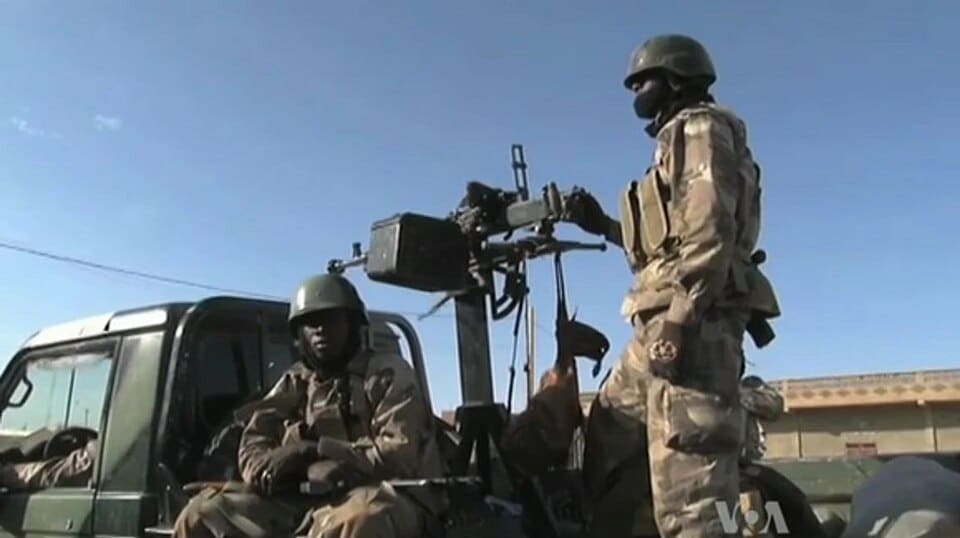
Bamako’s military partnership with Russia, once seen as a game-changer for regaining control of Mali’s territory, is now yielding increasingly disappointing results. After the failures of Wagner Group, its successor—the Africa Corps—has been forced to drastically revise its tactics. Meanwhile, mounting evidence of escalating violence against civilians raises serious questions about both the military effectiveness and human cost of this alliance.
Africa Corps shifts strategy amid mounting battlefield losses
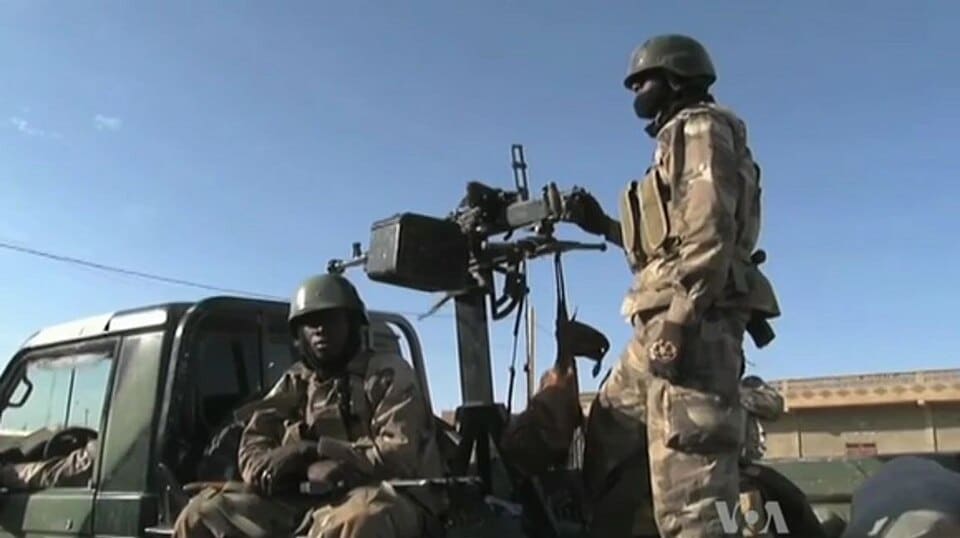
A year after officially replacing Wagner Group in Mali, the Africa Corps—Russia’s state-controlled military structure—has been compelled to overhaul its operational approach. Recent assessments indicate that Russian forces are gradually withdrawing from key positions in northern Mali, prioritizing instead the protection of Bamako, critical infrastructure, and the Malian junta. This tactical pivot follows a string of setbacks that have undermined the Kremlin’s ambitions in the region.
The retreat is no coincidence. For months, Malian forces and their Russian allies have faced relentless assaults from jihadist factions aligned with the Group for Support of Islam and Muslims (GSIM) and the Azawad Liberation Front. The coordinated offensives launched in early 2026 culminated in the loss of Kidal—a symbolic blow to Mali’s goal of reasserting control over the north.
When Bamako severed ties with Western partners, it pinned its hopes on Russian mercenaries to rapidly restore territorial integrity. The financial commitment was substantial for a country with limited resources. While exact figures remain undisclosed, investigations suggest that Russian security services cost Malian authorities tens of millions of dollars annually, in addition to mining concessions and other economic inducements granted to Moscow’s representatives.
Yet despite these investments, military outcomes have fallen far short of expectations. Even during the Wagner era, several operations failed against armed groups. Since transitioning to the Africa Corps, the situation has not improved—if anything, Russian forces now appear more focused on safeguarding the junta’s power than conducting large-scale offensives against insurgents, according to field analyses.
Escalating violence fails to translate into battlefield success
As operational challenges mount, reports of human rights abuses against civilians have surged. On June 24, 2026, local testimonies described a horrific incident near Timbuktu, where Malian soldiers and Africa Corps members allegedly killed several individuals, arranging one victim’s dismembered body in the shape of a swastika. Two additional civilians on a motorcycle were reportedly killed by a drone strike during the same operation. The Malian army has yet to address these accusations.
Days earlier, local sources recounted at least twelve civilian deaths during a joint operation by Malian forces and the Africa Corps in the Timbuktu region. Survivors described summary executions and looting of local markets, with no prior confrontation involving armed groups.
These incidents add to a growing catalog of alleged abuses attributed to both Wagner and the Africa Corps by human rights organizations and international investigative reports. Critics argue that the strategy relies more on intimidation than on sustainable counterinsurgency tactics.
Yet this brutality has not translated into military success. Armed groups continue to launch coordinated attacks on multiple cities, disrupt supply lines, and force Russian-Malian forces to redeploy their resources. The withdrawal from northern positions is an implicit admission of the challenges faced on the ground.
By refocusing its efforts on defending Bamako and providing aerial support rather than maintaining a permanent presence in contested areas, the Africa Corps is effectively acknowledging that its original strategy has failed to stabilize Mali. For Malian authorities, who made a political and financial choice to abandon Western partners in favor of Russia, the shift raises critical questions. After years of cooperation and significant investment, the promise of rapid security gains remains unfulfilled, while allegations of abuse continue to tarnish the image of this military alliance. Moscow’s tactical adjustments reflect less a strengthening of capabilities than an attempt to mitigate the fallout from a campaign whose results have consistently lagged behind initial ambitions.