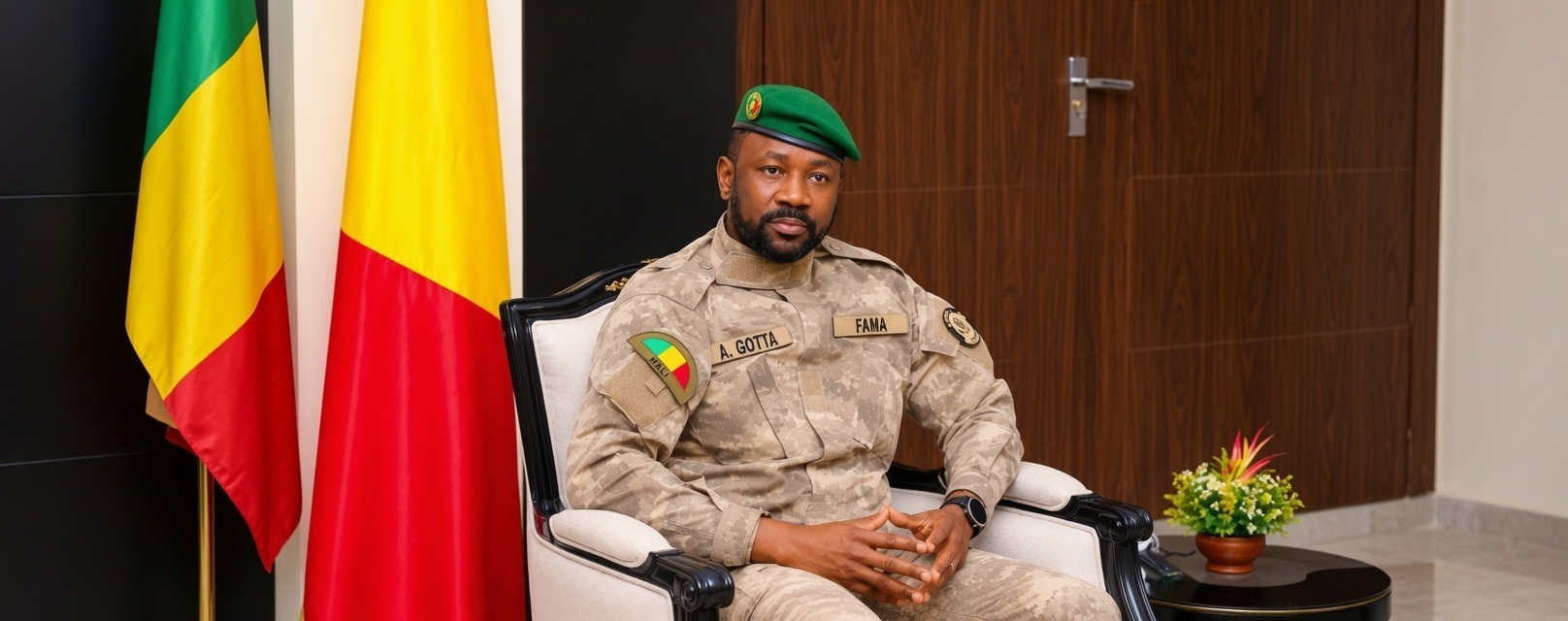
The Malian authorities have escalated their counterterrorism strategy with a bold new initiative. Bamako recently declared on national television that it would offer financial rewards to anyone providing information leading to the capture or elimination of key figures from the Group for the Support of Islam and Muslims (JNIM), an Al-Qaeda-linked jihadist coalition, and the Azawad Liberation Front (FLA). This unprecedented public move underscores the transitional government’s determination to enlist civilian support in a conflict where military efforts alone have struggled to yield decisive results.
Targeting jihadist and separatist leadership with incentives
The government’s initiative specifically names two armed factions that Bamako views as the gravest threats to national stability. JNIM, led by Iyad Ag Ghaly and operating across the Central Sahel, has intensified attacks on military bases and supply routes over recent years. Meanwhile, the FLA, rooted in historic Tuareg separatist movements, continues to challenge state authority in the northern regions of Kidal, Gao, and Timbuktu.
By introducing monetary incentives, the Malian government is adopting a tactic widely used in Western counterterrorism doctrines, though such measures remain uncommon in West Africa. This shift signals a pragmatic acknowledgment that conventional military operations have reached their limits, and that grassroots intelligence could prove decisive in weakening these armed groups from within.
An honest recognition of battlefield challenges
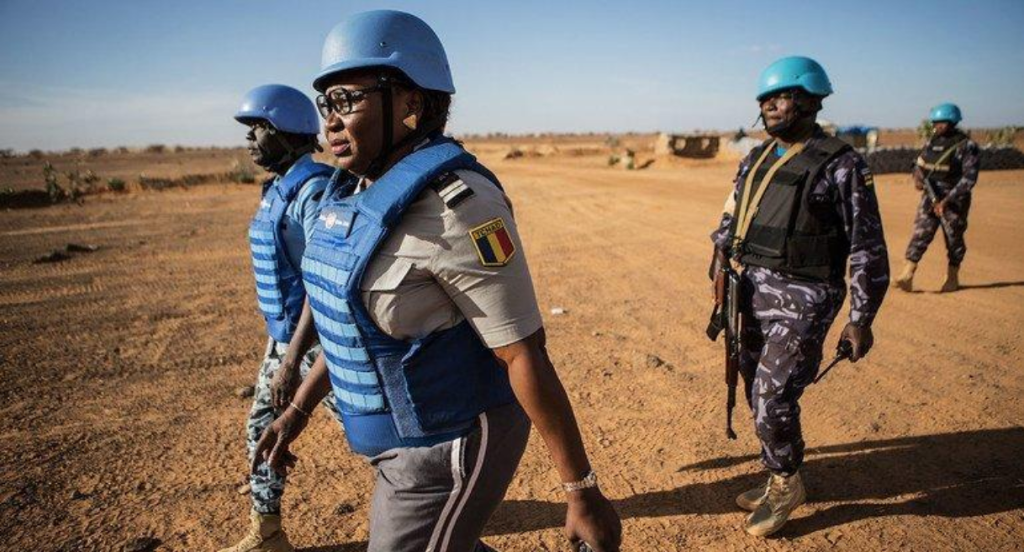
The announcement comes at a time of deepening insecurity. Following the withdrawal of the United Nations stabilization mission in late 2023 and the departure of French forces, the Malian Armed Forces (Fama) now rely heavily on support from Russian partners, including the Africa Corps, which succeeded the Wagner Group. Despite retaking Kidal in late 2023, jihadist attacks surged in 2024 and 2025, striking both central and peripheral areas of the capital.
This reward mechanism reflects a tactical realism. Decapitating armed organizations by neutralizing their leaders requires precise intelligence—information that local communities are uniquely positioned to provide. However, the approach carries significant risks. Informants face potential retaliation, and the lack of clarity on payment amounts or disbursement procedures may undermine the initiative’s effectiveness. Authorities have yet to disclose the financial details or operational guidelines of the program.
Regional unity and the limits of Bamako’s strategy
The Malian initiative aligns with the goals of the Sahel States Confederation (AES), a regional alliance formed in 2024 between Mali, Burkina Faso, and Niger. The three nations share a unified security perspective and are gradually synchronizing their military operations. Expanding this reward system across the confederation could enhance cross-border intelligence sharing, as armed groups frequently exploit weak frontier controls to regroup and resupply.
Yet the plan raises critical questions about funding. With external aid largely suspended and economic sanctions imposed by the Economic Community of West African States (ECOWAS) still in place, Bamako must secure domestic resources or seek alternative partnerships to fulfill its commitment. While Russia, Mali’s primary military ally, could be approached for support, no official statements have confirmed any co-financing arrangements.
Beyond its operational implications, the announcement serves a political purpose. By addressing the public directly through state media, the transitional government aims to foster a sense of shared national responsibility in the fight against insurgency while reinforcing its own legitimacy. The transition, launched after the 2020 and 2021 coups, has repeatedly delayed elections, leaving the government under pressure to demonstrate tangible progress. The success of this initiative will hinge on the Fama’s ability to deliver concrete results against the designated jihadist and separatist leaders in the coming months.