Mali’s transitional authorities have escalated their counterterrorism efforts by unveiling a groundbreaking financial incentive program. Announced via national broadcaster ORTM, the initiative rewards individuals who provide actionable intelligence leading to the capture or elimination of high-profile commanders from the Group for the Support of Islam and Muslims (JNIM), an Al-Qaeda-affiliated faction, and the Azawad Liberation Front (FLA). This public pledge marks a pivotal shift in Bamako’s strategy, underscoring the government’s push to enlist civilian assistance in a conflict where conventional military operations have struggled to gain ground.
Targeted incentives aim to dismantle armed networks
The program specifically targets two armed groups that Mali considers the gravest threats to national stability. The JNIM, led by Iyad Ag Ghaly, has waged a relentless campaign of attacks across the Sahel, targeting military outposts and critical supply routes. Meanwhile, the FLA—a successor to historic Tuareg separatist movements—challenges Bamako’s authority in the northern regions of Kidal, Gao, and Timbuktu.
By introducing monetary rewards, Mali joins a global counterterrorism playbook long employed by Western nations. Yet in West Africa, such measures remain uncommon. This move signals Bamako’s acknowledgment that success on the battlefield hinges on human intelligence from local sources, where traditional military operations fall short.
Strategic shift reflects battlefield realities
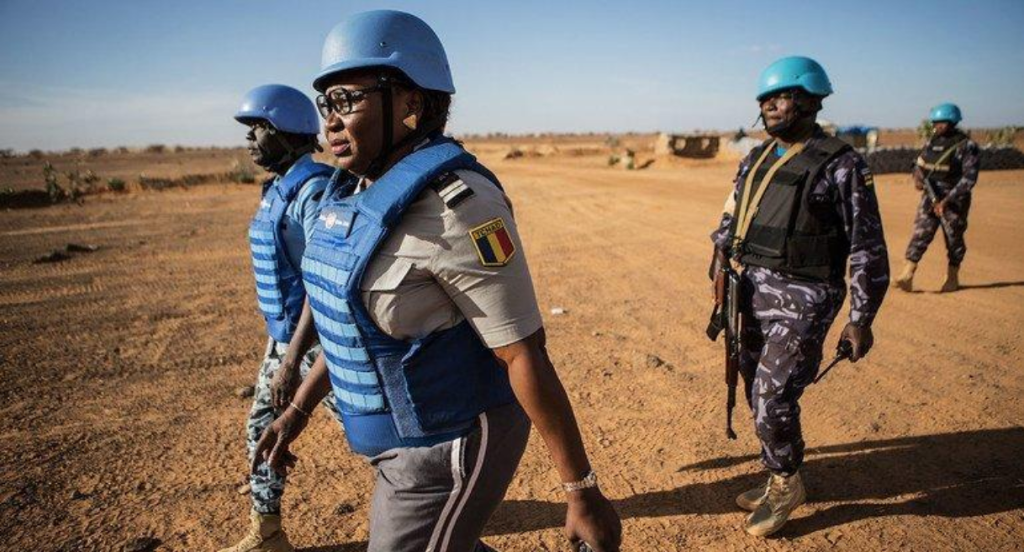
The announcement arrives amid a deepening security crisis. Following the withdrawal of the UN peacekeeping mission in late 2023 and the departure of French forces, Mali’s military now operates with support from Russian-backed units, including the Africa Corps, which succeeded Wagner. Despite retaking Kidal in late 2023, jihadist violence surged in 2024 and 2025, striking both urban centers and rural areas.
This incentive-based approach reflects tactical pragmatism. Decapitating armed factions by eliminating their leaders demands precise intelligence networks—knowledge only civilians possess. However, the strategy carries risks. Informants face severe reprisals, and the lack of clarity on reward amounts or disbursement processes could undermine participation. Authorities have yet to disclose payment details or verification protocols.
Regional implications and funding challenges
The initiative aligns with the Sahel States Confederation (AES), a 2024 alliance uniting Mali, Burkina Faso, and Niger. The three nations share a unified stance on regional threats and are gradually harmonizing military operations. Expanding reward systems across the confederation could enhance cross-border intelligence sharing, a critical advantage as armed groups exploit porous borders to regroup and resupply.
Yet funding remains a hurdle. With external aid suspended and economic sanctions imposed by the Economic Community of West African States (ECOWAS), Bamako must rely on internal resources or seek new partnerships to fulfill its pledge. Russia, Mali’s primary military ally, may be approached, though no official mention of joint financing has emerged.
Beyond operational goals, the announcement serves a political purpose. By broadcasting the pledge nationwide, the transitional government seeks to rally public support for its counterterrorism efforts and bolster its legitimacy at a time when elections—delayed since the 2020 and 2021 coups—remain indefinitely postponed. The program’s success will hinge on the military’s ability to deliver verifiable results against the designated leaders in the coming months.