How can journalists investigating environmental issues in the Sahel protect themselves in an environment often plagued by instability and external pressures? That question brought together nearly two dozen media professionals from Mali, Niger, Burkina Faso, and Chad in N’Djamena on June 8, 2026.
A regional workshop hosted by the Centre for Studies and Development Training (CEFOD) focused on equipping journalists with the legal knowledge and practical tools they need to navigate the unique risks of environmental reporting. Organized under the guidance of Reporters Without Borders (RSF), the sessions aim to strengthen awareness of journalists’ rights while addressing the growing threats they face on the ground.
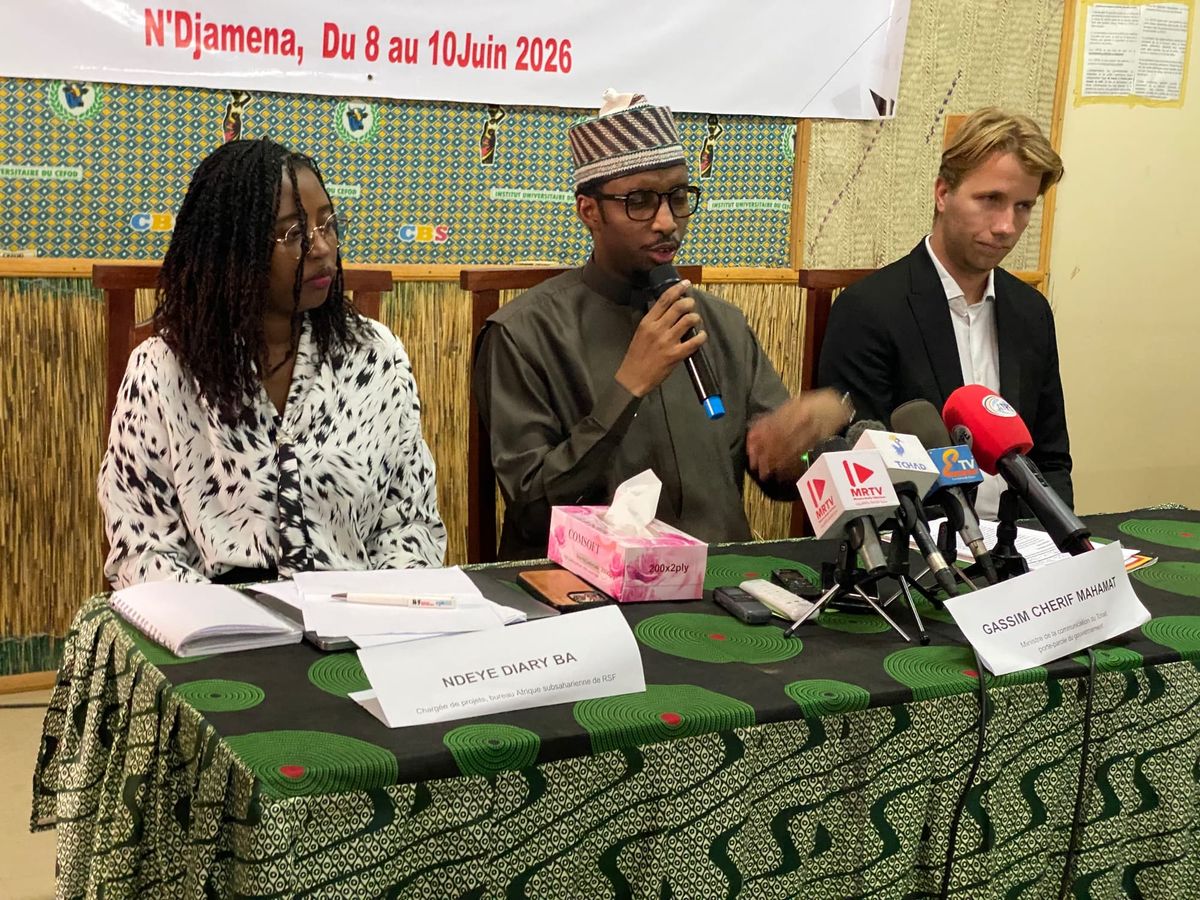
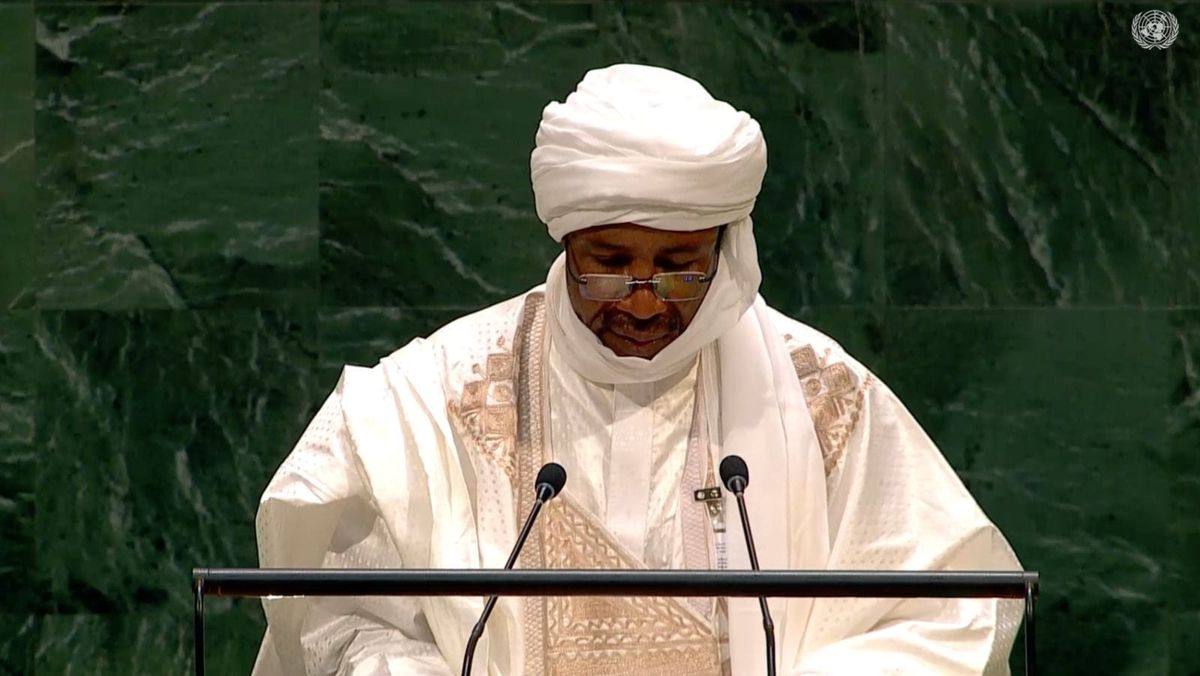
The opening ceremony was led by Chad’s Minister of Communication and government spokesperson, Gassim Chérif Mahamat. He emphasized the critical role of media in raising public awareness about environmental challenges and called for stronger protections to ensure journalists can work without fear. Over the coming days, participants will explore legal protections, physical and digital safety strategies, and the specific challenges of covering environmental stories in the Sahel. The exchange of experiences across borders is expected to highlight shared struggles and collaborative solutions.
Ndeye Diary Ba, RSF’s Sub-Saharan Africa project manager, noted that such workshops are becoming essential as climate change intensifies, natural resources dwindle, and insecurity rises. Journalists specializing in environmental issues are increasingly called upon to report on sensitive topics—often at great personal risk. The workshop is designed to produce actionable recommendations that could shape stronger legal frameworks and safer working conditions for environmental journalists across the Sahel.