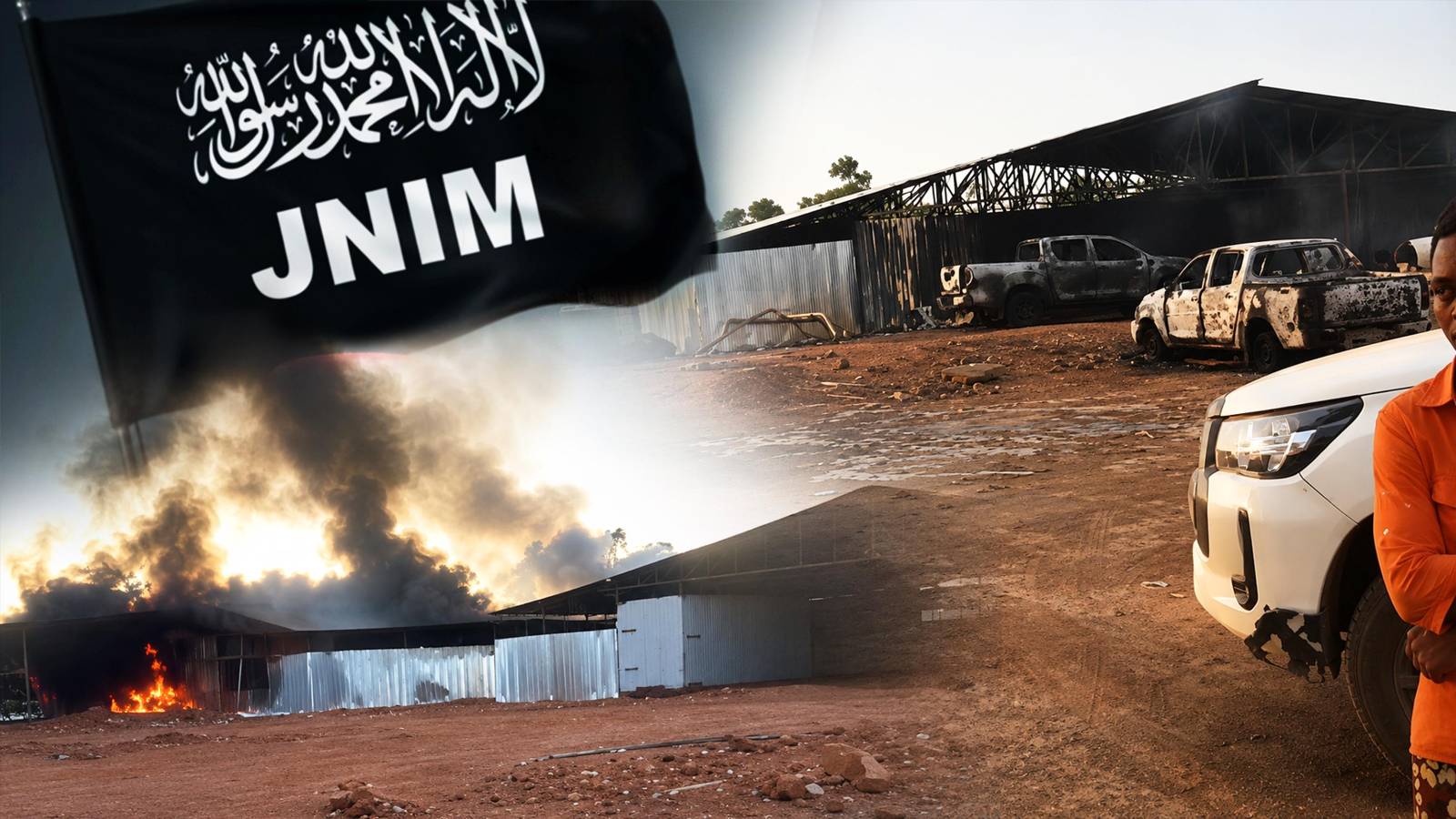
In a brazen display of operational reach, the Group for the Support of Islam and Muslims (JNIM) executed a meticulously planned assault on a Chinese-owned mining facility in Naréna, close to the Guinea border. The raid, which unfolded under the cover of night, underscores a troubling shift: the Malian Armed Forces (FAMa) and their Russian allies are increasingly unable to safeguard critical economic zones, leaving vital sectors exposed to jihadist aggression.
Night raid leaves deep scars on Mali’s economic landscape
The attackers, numbering in the dozens, arrived on motorcycles and off-road vehicles, catching security forces off guard. Their targets were not random; the assault focused on dismantling operational capacity. Heavy machinery, power generators, and administrative buildings were systematically torched, crippling the site’s ability to function. The human toll was even more severe: nine Chinese nationals were forcibly taken from the premises, their whereabouts now shrouded in uncertainty. This tactic of hostage-taking grants the JNIM leverage to extract concessions—whether political or financial—from both Bamako and Beijing.
Collapse of state authority: a security vacuum in southern Mali
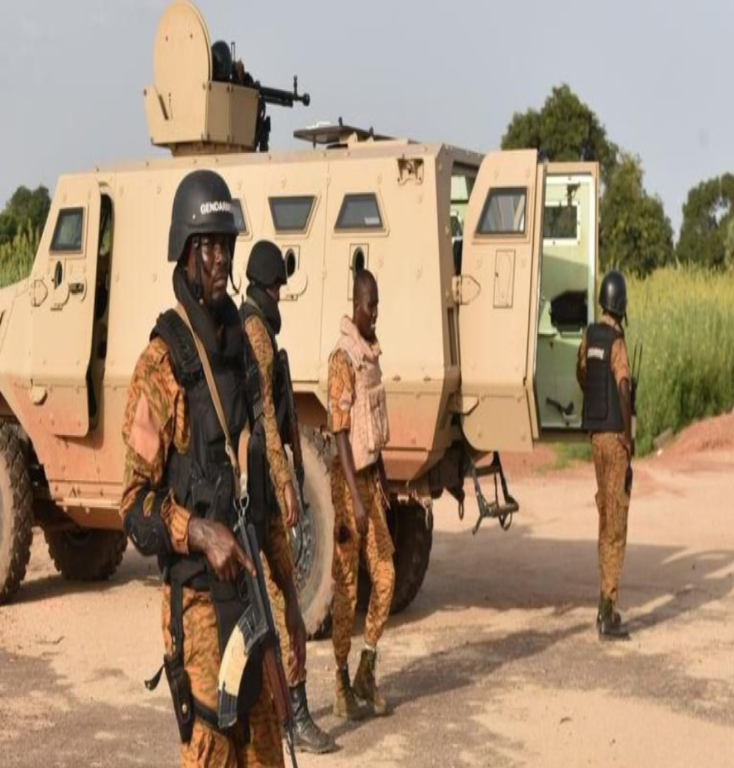
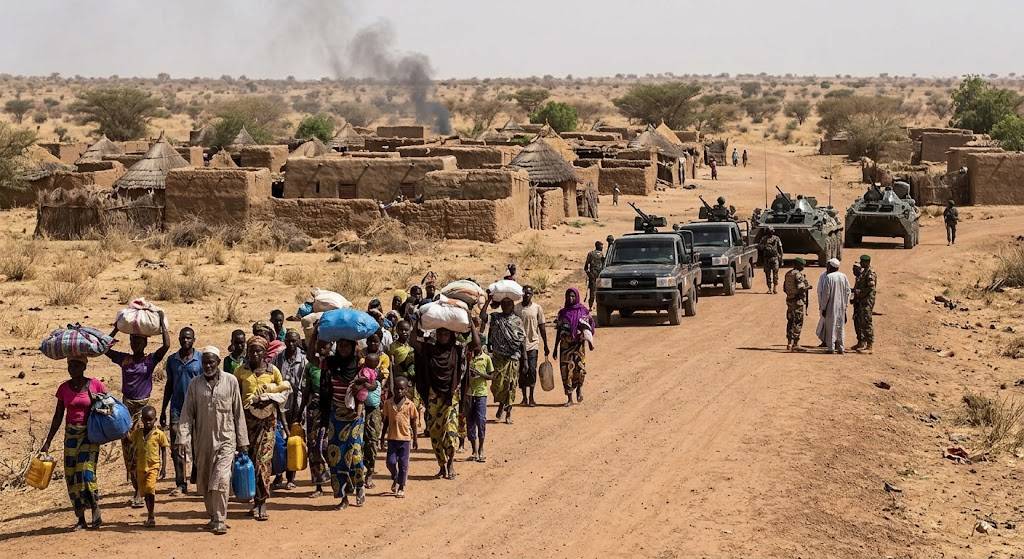
Naréna’s vulnerability highlights a disturbing reality: Mali’s military no longer controls vast portions of its territory. Once confined to the north and central regions, jihadist influence has crept southward, encroaching on the country’s economic heartlands. The fact that an industrial site could be ravaged mere kilometers from an international border exposes the yawning gap in Mali’s security apparatus. The FAMa, now largely confined to fortified garrisons, appears incapable of preempting attacks or tracking perpetrators, betraying critical flaws in intelligence gathering and operational response.
Promises of restored sovereignty by the military junta ring hollow as the state’s authority continues to erode, with no end in sight.
Russian mercenaries fail to fill the security void
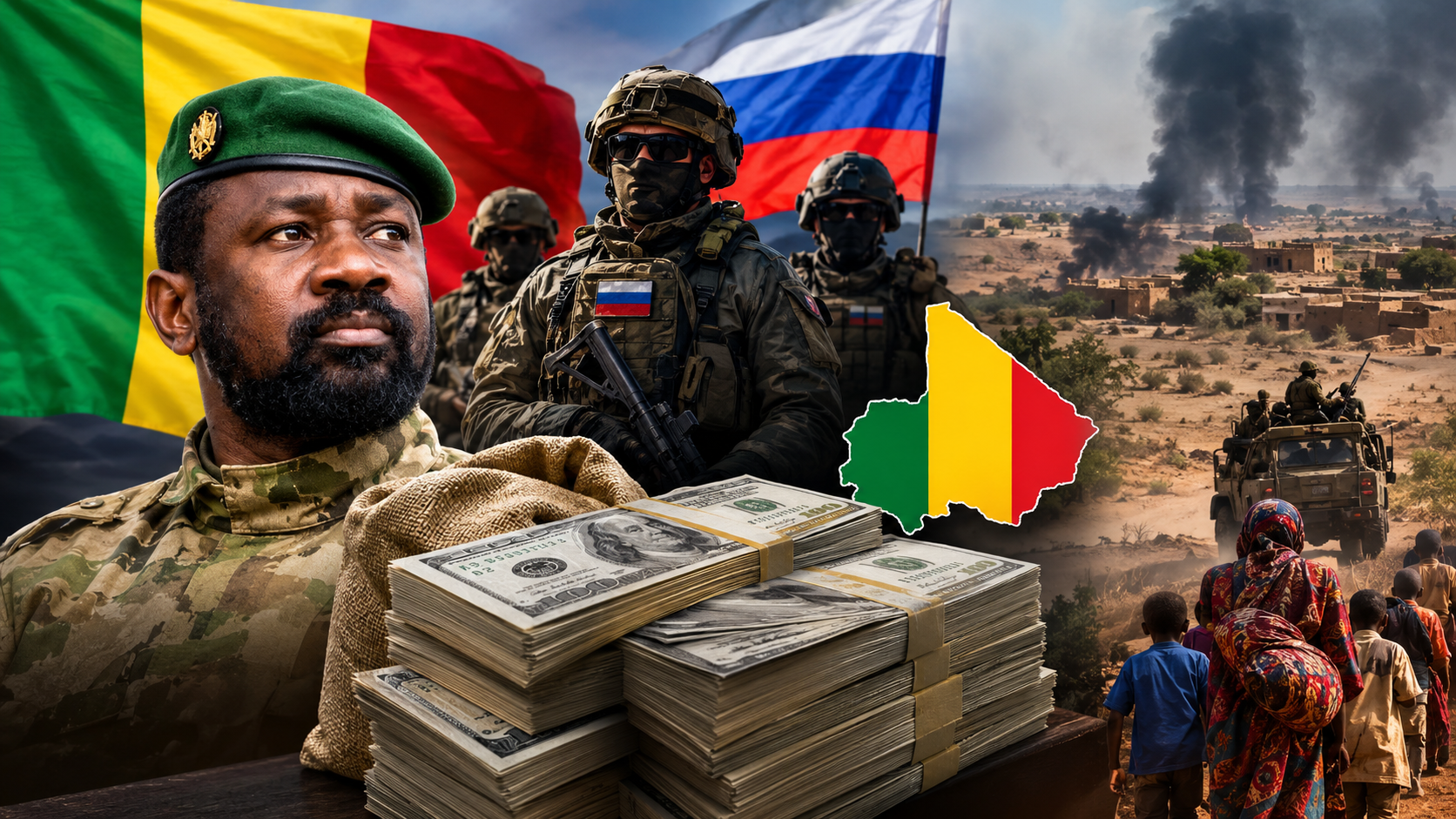
Since severing ties with Western partners and replacing the departing MINUSMA mission, Mali has leaned heavily on Russian support, including the deployment of Wagner Group affiliates (now rebranded as Africa Corps). Yet the results have been dismal. Russian troops, trained for conventional warfare and brutal counterinsurgency tactics, prove ill-equipped to counter asymmetric threats or protect industrial infrastructure. Their patrols lack deterrent impact, and their presence has done little to stem the JNIM’s territorial expansion. The once-hoped-for Russian intervention has failed to deliver the promised security dividends, with attacks now edging closer to the capital and key mining zones.
Chinese investments under siege: a calculated blow to Mali’s economy
The targeting of Chinese nationals and assets marks a strategic escalation. China remains Mali’s foremost economic ally, particularly in gold mining and infrastructure development. By striking at these interests, the JNIM inflicts dual damage: it drains financial resources from Bamako’s coffers and signals to foreign investors that the Malian state can no longer guarantee their safety. Beijing may now reconsider its Sahel investments, applying pressure on the Malian regime to secure the very guarantees it has so far failed to provide.
A tipping point for Mali’s stability
The assault on Naréna is more than an isolated incident—it is a warning. The JNIM’s ability to strike at will, even in regions once considered safe, demonstrates the group’s growing confidence and the state’s diminishing control. With the Malian military and its Russian partners stretched thin, the country faces a stark choice: overhaul its security strategy to protect both its people and its economic lifelines, or risk sinking deeper into a cycle of lawlessness and foreign investment flight.