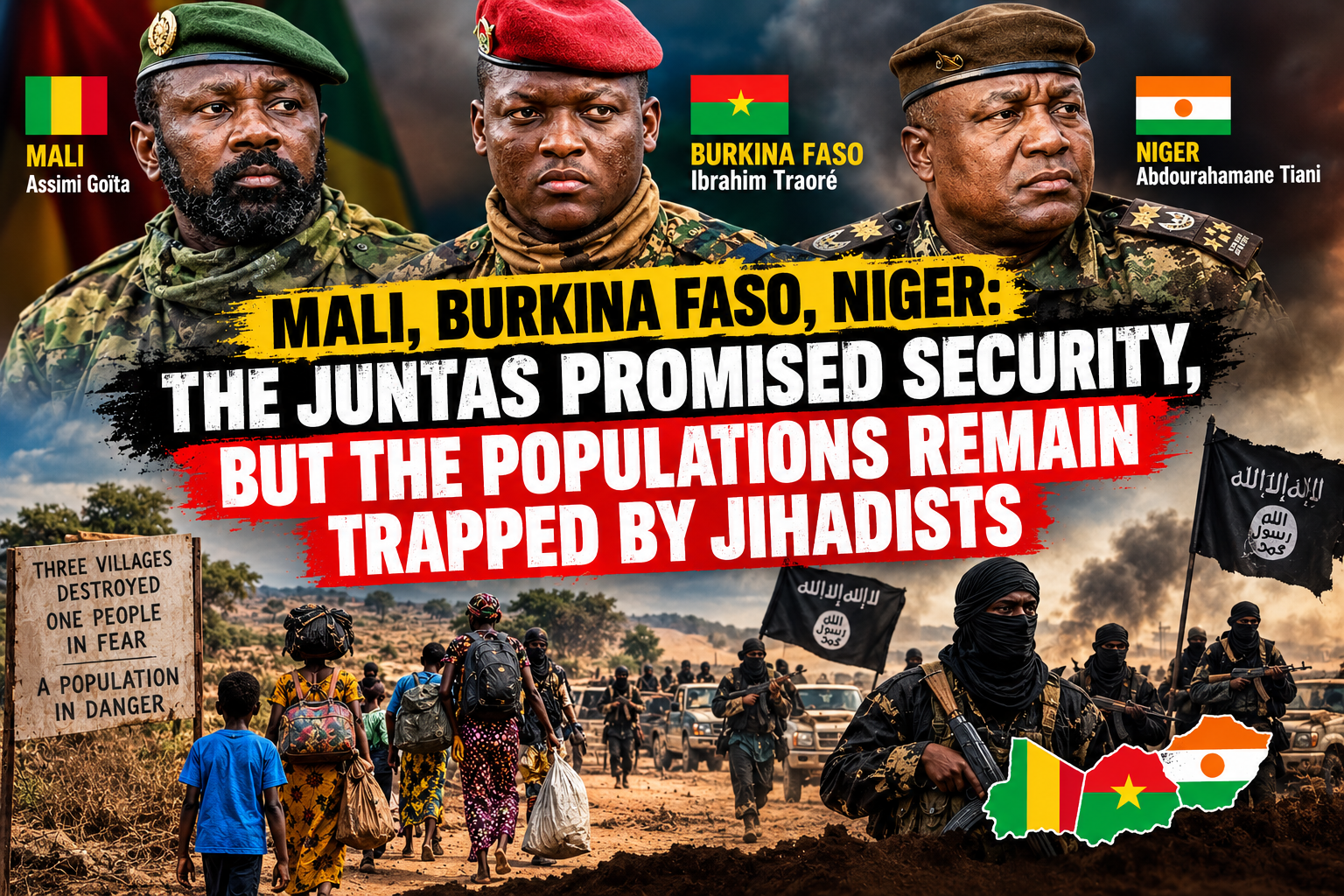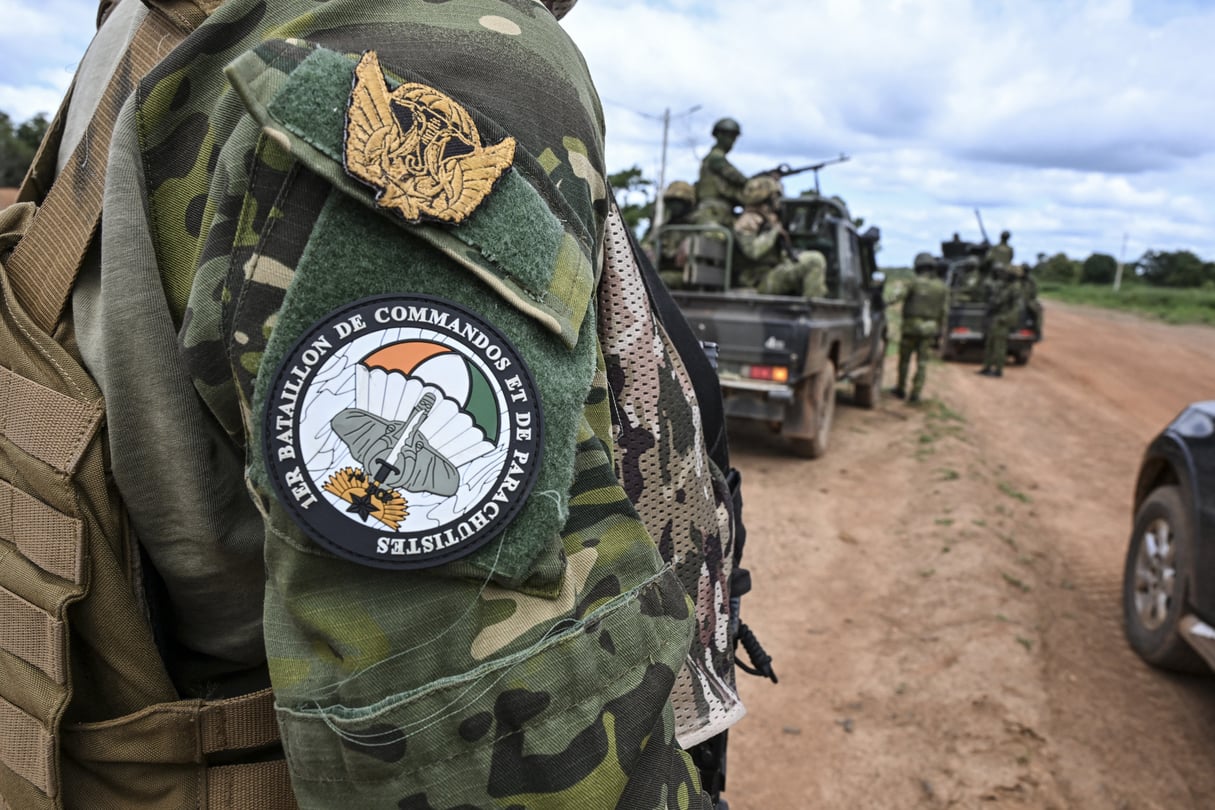
In the rugged terrain of northern Côte d’Ivoire, where the borders of Burkina Faso and Mali meet, a determined force stands guard. Ivorian soldiers patrol villages like Mororo, their presence a visible deterrent to the encroaching shadow of jihadist threats. The stakes couldn’t be higher: this region has become the final bulwark against the spread of violence that has destabilized neighboring nations.
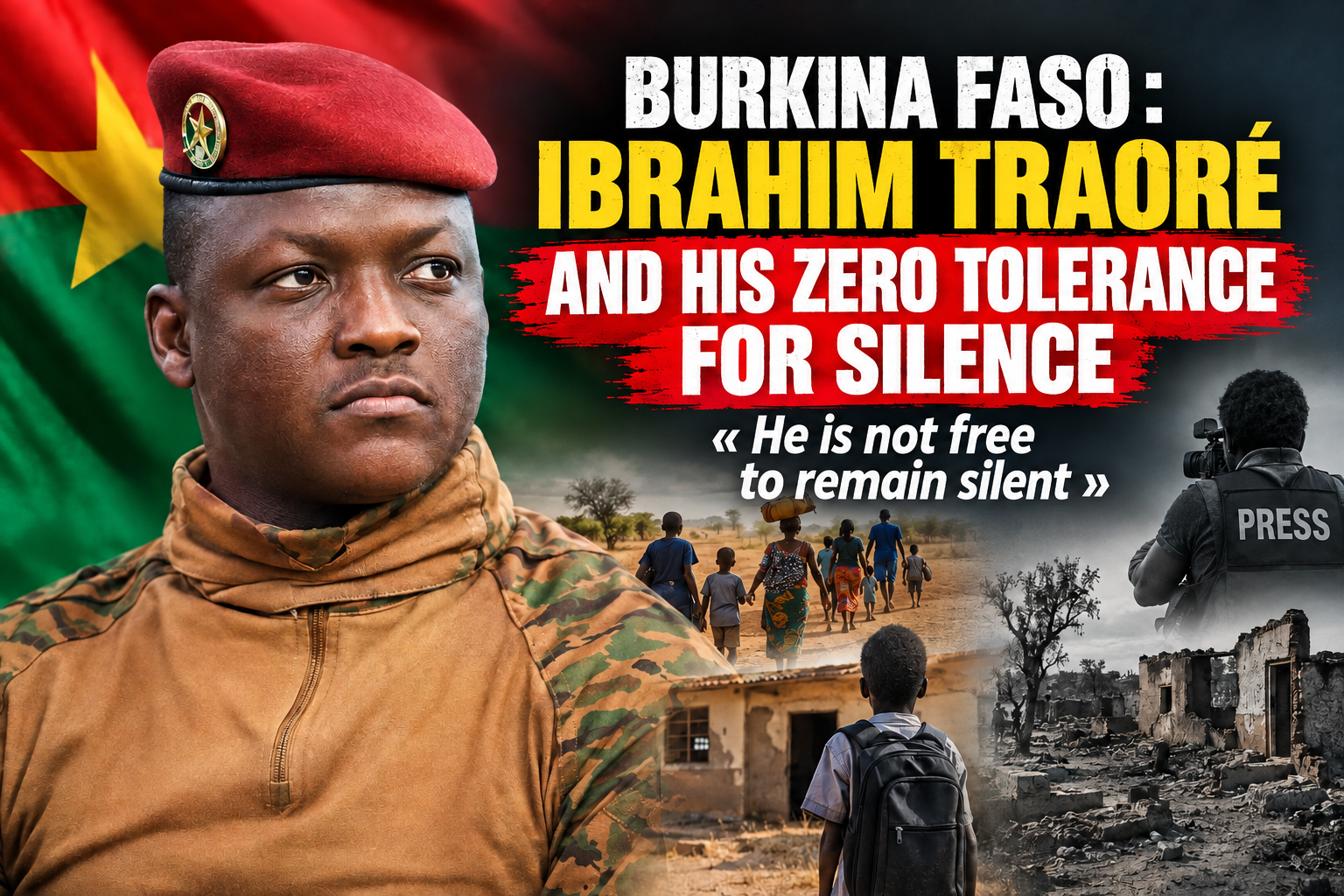
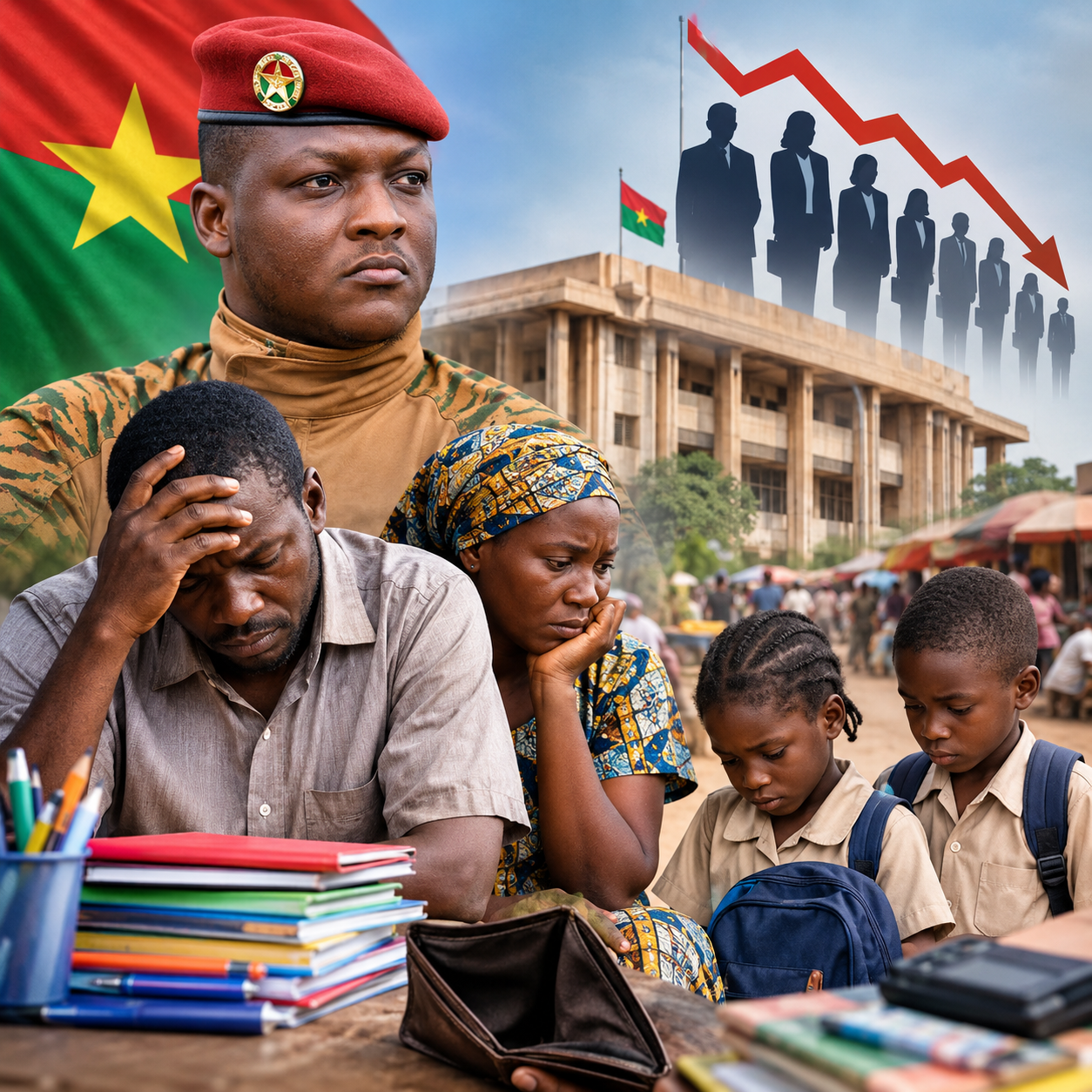
The local population, weary from years of insecurity, places its faith in the military’s resolve. “We believed in Ibrahim Traoré’s commitment,” shared a villager in Tougbo, referring to the Burkinabé leader whose rise to power symbolized a promise of change. Yet, as Ivorian forces take on an increasingly critical role, the challenges they face are as much about strategy as they are about sheer determination.
Securing the frontier: a delicate balancing act
The northern reaches of Côte d’Ivoire have long been a crossroads of cultures and trade, but today, they represent a frontline in the fight against extremism. With Burkina Faso and Mali grappling with persistent insurgencies, the spillover into Ivorian territory has forced authorities to rethink their approach to national security. Military operations here are not just about patrolling; they’re about building trust with communities that have felt abandoned by distant governments.
“The people here don’t just want protection,” explained a senior defense official. “They want to feel that their government is present, that their voices matter. That’s why our patrols include dialogue as much as deterrence.” This dual approach has become a cornerstone of the Ivorian strategy, blending hard security with humanitarian outreach.
From rhetoric to reality: the weight of expectations
The phrase “We believed in Ibrahim Traoré” resonates deeply in these communities. Traoré, who took control in Burkina Faso, was seen as a leader who could stem the tide of violence sweeping the Sahel. His rhetoric of renewal and resilience struck a chord with Ivorians who feared the same chaos could spill across their borders. However, the reality on the ground tells a more complex story.
While Traoré’s leadership has brought temporary stability to parts of Burkina Faso, the insurgency’s tentacles stretch ever closer to Côte d’Ivoire. The Ivorian government, led by President Alassane Ouattara, has responded with a mix of military muscle and diplomatic finesse. “We are not waiting for others to solve our problems,” Ouattara has stated repeatedly. “We are taking the initiative to secure our nation, our people.”
Community resilience in the face of adversity
The villages dotting the northern landscape are more than just waypoints on a map; they are lifelines for the people who call them home. In Tougbo and Mororo, resilience is not just a word—it’s a daily practice. Local leaders, working alongside military personnel, have established early warning systems to alert communities of potential threats. These grassroots efforts, though modest, have proven invaluable in preventing attacks and maintaining stability.
“The jihadists rely on fear to spread their influence,” noted a local elder. “But here, fear is met with unity. We stand together, and that makes all the difference.”
What’s next for Côte d’Ivoire’s northern frontier?
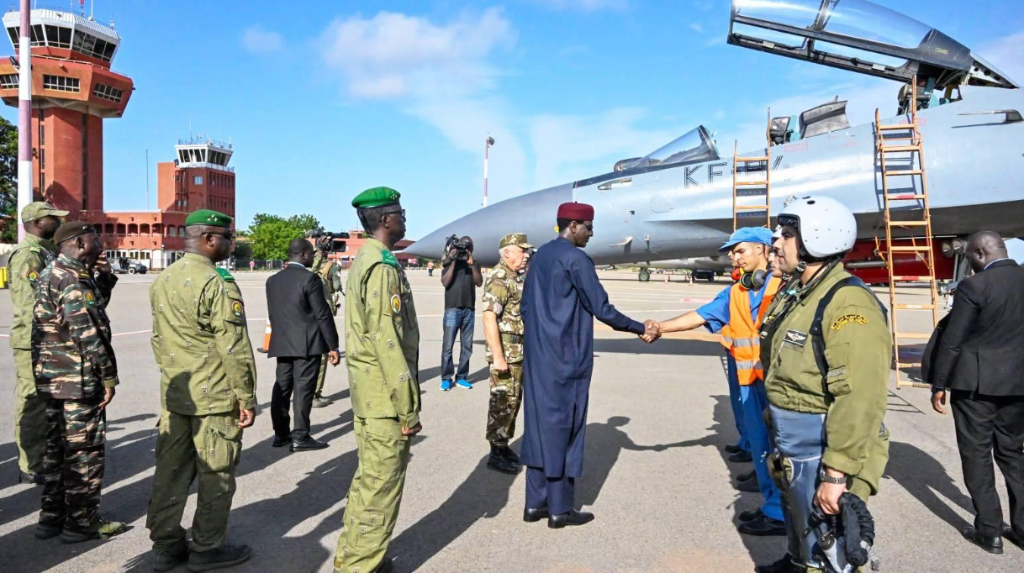
As the security landscape evolves, so too does the strategy of Côte d’Ivoire’s armed forces. Training programs have been ramped up, focusing not only on combat but also on community engagement. International partnerships, particularly with neighboring countries, have become essential in sharing intelligence and coordinating responses to cross-border threats.
The road ahead is fraught with challenges, but the determination of the Ivorian military and the resilience of its people offer a glimmer of hope. “We will not cede an inch of our territory,” declared a commander stationed in the north. “Every patrol, every conversation with the locals, reinforces our commitment to peace.”
For now, the soldiers of Côte d’Ivoire remain the silent guardians of a region hanging in the balance. Their mission is clear: to protect, to endure, and to ensure that the light of stability continues to shine in the heart of West Africa.