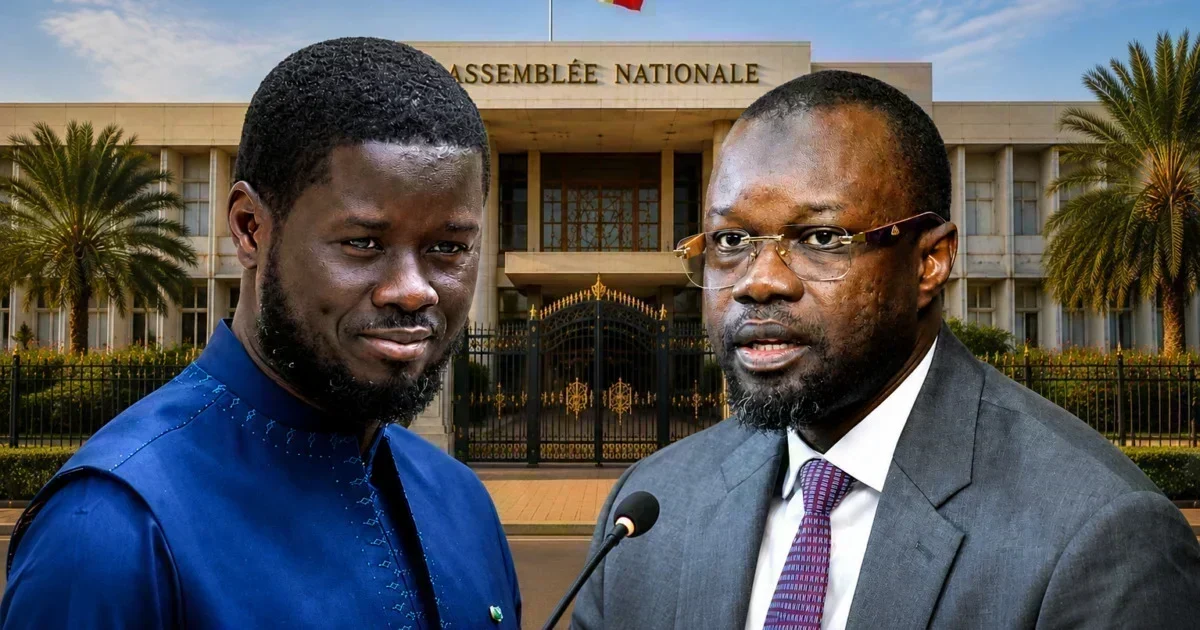
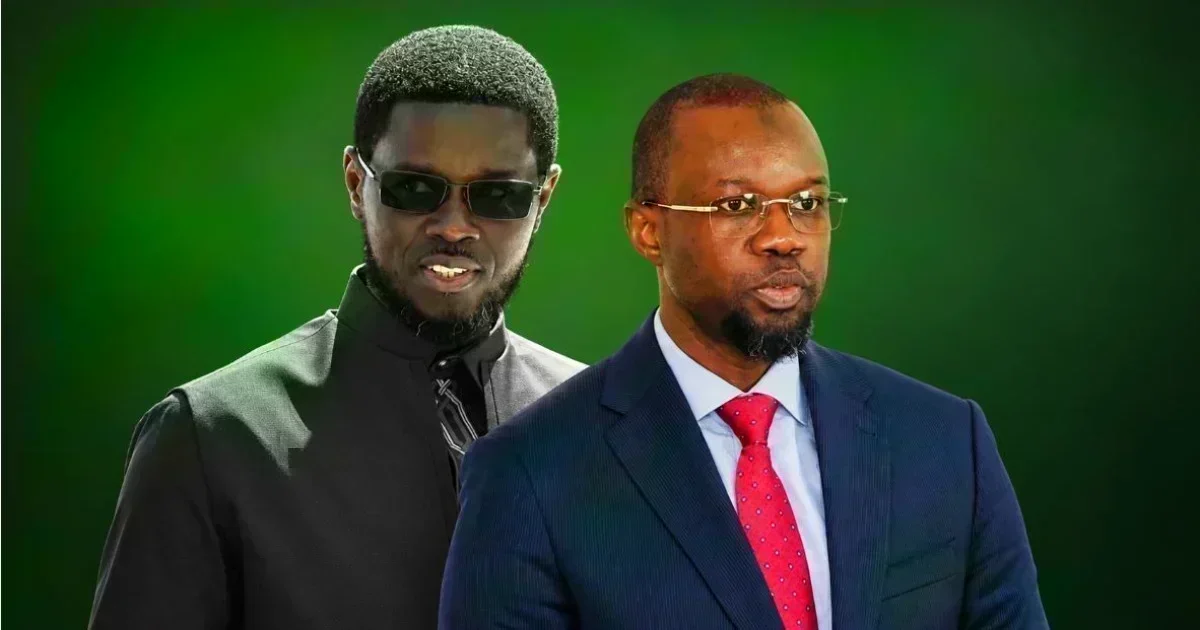
The President of the Republic, Bassirou Diomaye Faye, has opted to take the constitutional reform to a referendum, effectively blocking the parliamentary victory of the opposition. This bold move reopens the constitutional debate and reshapes the power dynamics within the National Assembly.

a parliamentary victory derailed by presidential intervention
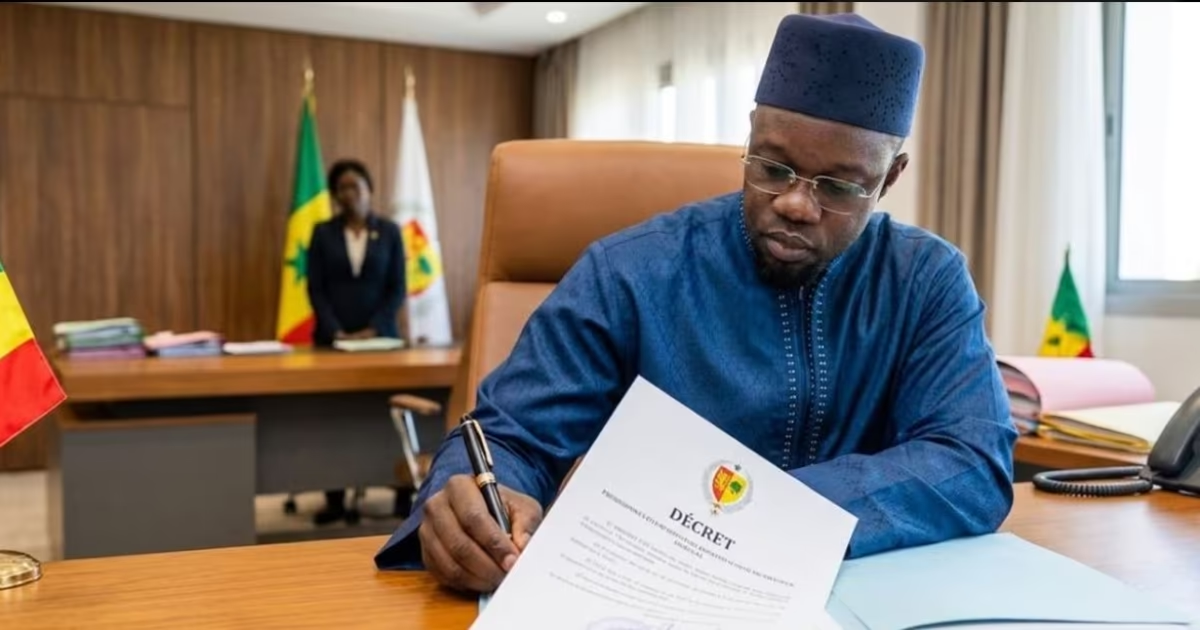
With 129 votes in favor, the majority deputies in the National Assembly had secured a clear victory for the Pastef reform bill. Yet, the final word rested with the Presidency—and it reversed the outcome entirely. Justice Minister Me Moussa Sarr disclosed that President Bassirou Diomaye Faye chose not to proceed with the promulgation of the approved text. Instead, he invoked Article 103 of the Constitution, opting to submit the reform to a national referendum. This decision not only halted the parliamentary strategy of Pastef but also neutralized the hard-won legislative triumph.
Circumstances had initially favored a swift adoption. Despite the government’s proposed amendments being rejected, the majority deputies validated the version emerging from committee deliberations, reinforcing the political will behind the initiative. Yet behind closed doors, President Bassirou Diomaye Faye had other plans in motion.
the constitutional gambit that shifted the balance
The President’s decision to bypass parliamentary approval and take the matter to a referendum underscores a strategic recalibration of power. By choosing this path, he reasserted executive authority over legislative processes, fundamentally altering the trajectory of the reform. This move signals a decisive shift in how constitutional amendments will be handled in the future, placing greater emphasis on direct public consultation.
what this means for Senegal’s political landscape
The referendum route introduces a new layer of complexity to the reform process. While it offers an avenue for broader public engagement, it also raises questions about procedural norms and institutional checks. The opposition’s parliamentary gains, though significant, have been rendered moot—at least for now. The stage is now set for a national debate that will test the resilience of Senegal’s democratic institutions and the durability of its political alliances.