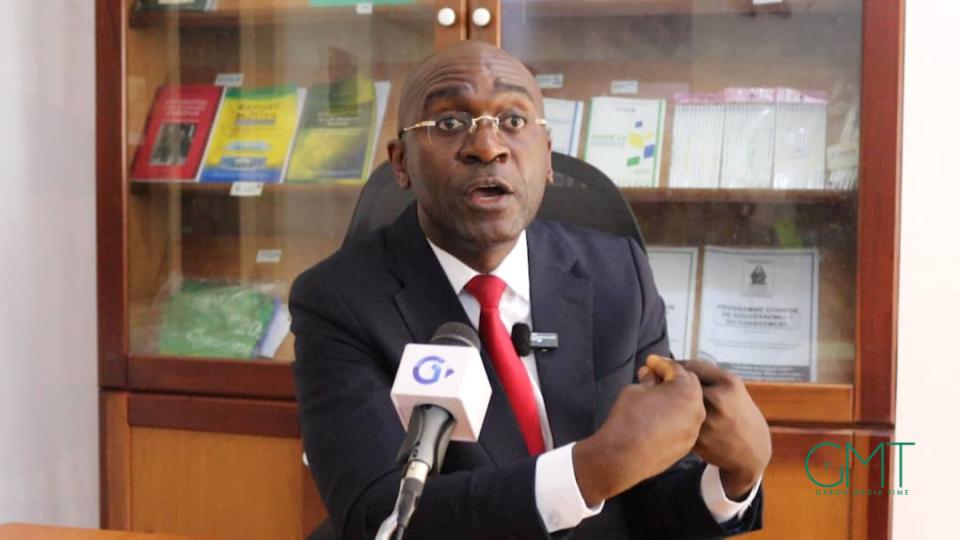
Human rights in DRC: Paul Nsapu highlights structural violations in Kinshasa versus severe abuses in the east
- Society
Human rights in DRC: a tale of two realities
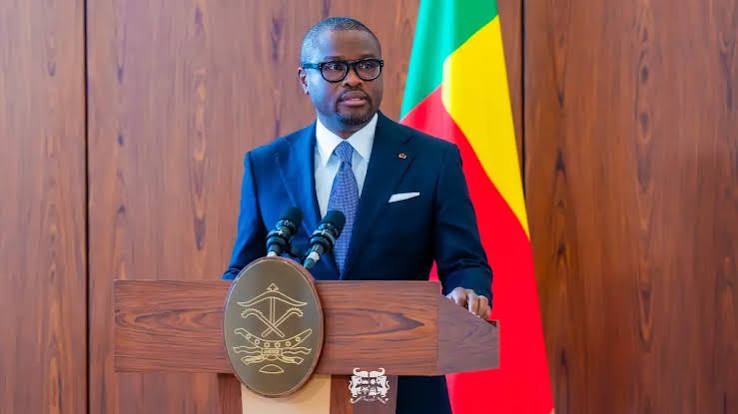
During a live discussion on Tuesday, Paul Nsapu, head of the National Human Rights Commission (CNDH), presented a nuanced assessment of human rights under President Tshisekedi’s administration. While acknowledging legislative progress, he underscored a stark contrast between two realities across the country.
Paul Nsapu, president of the National Human Rights Commission (CNDH), has drawn a clear distinction between human rights violations in Kinshasa and the far more severe abuses occurring in eastern DRC. Speaking at a live event organized by journalist Stanis Bujakera Tshiamala, he highlighted the dual nature of the country’s human rights landscape under the current administration.
Structural violations in Kinshasa
In provinces under the central government’s control, including Kinshasa, Nsapu identified persistent violations of civil, political, economic, and social rights. These include access to employment, healthcare, and education—issues he attributes to long-standing systemic failures. Successive regimes, he argued, have neglected development, leaving citizens with little improvement in their daily lives.
Severe abuses in eastern DRC
The situation in the North Kivu, South Kivu, and parts of Ituri is markedly different. Nsapu described this region as the epicenter of human rights violations, where fundamental rights—such as the right to life and security—are routinely violated. He specifically pointed to the presence of the Rwandan army and its allied armed groups as exacerbating factors, noting that these forces operate in areas largely beyond Kinshasa’s control.
Nsapu’s analysis underscores the complex and fragmented nature of human rights protection in DRC. While legislative reforms may signal progress, the realities on the ground reveal a country struggling to address both structural inequities and acute crises in its eastern regions.

François Mvondo
Journalist