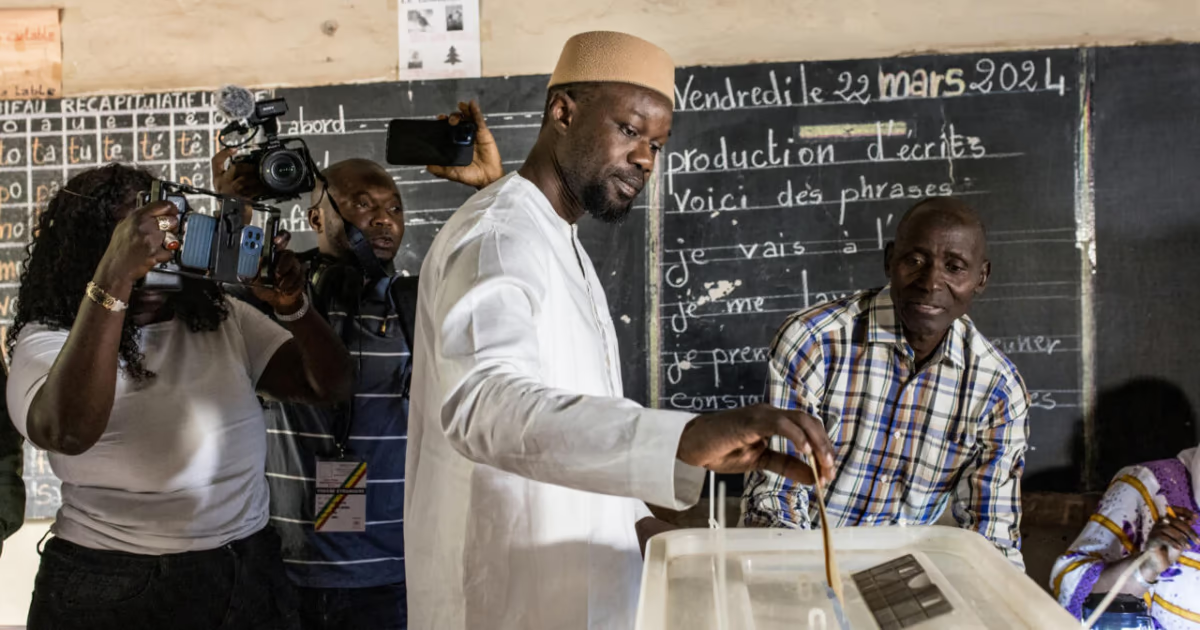
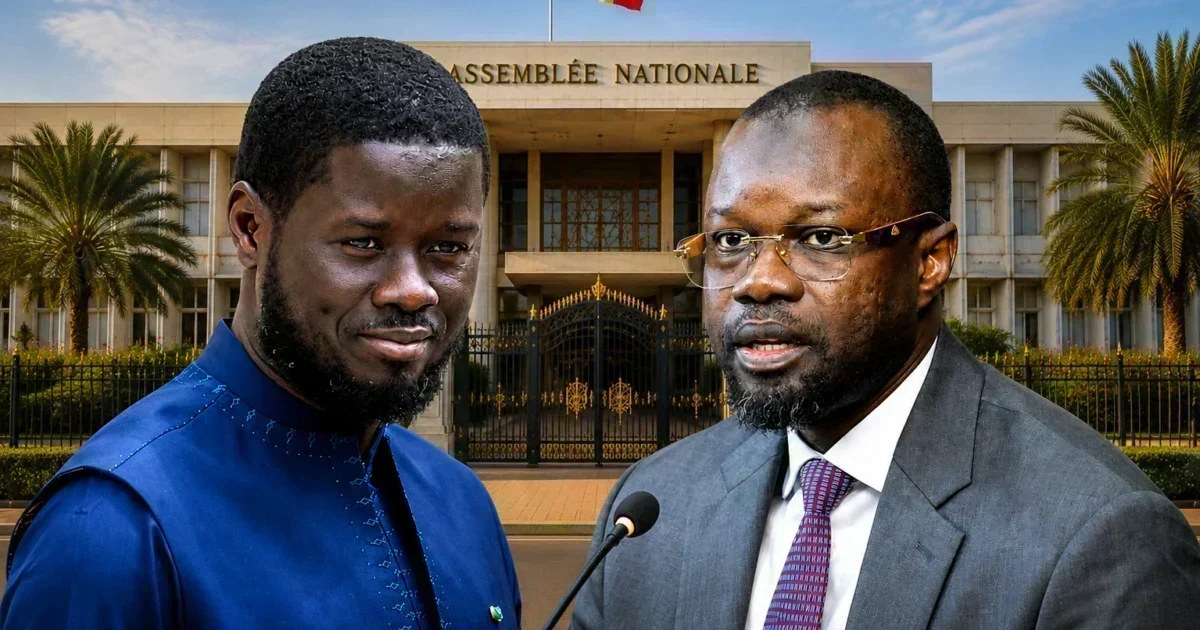
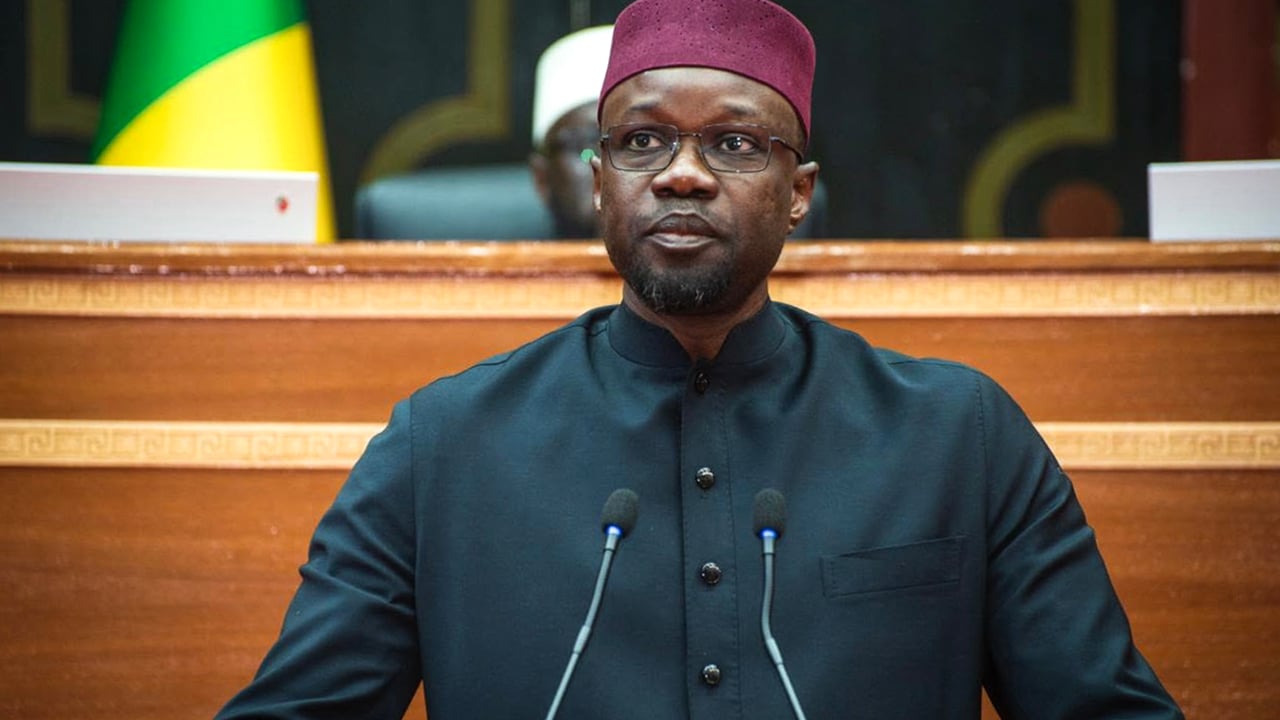
For years, Ousmane Sonko embodied the hope of radical change, positioning himself as the Savior Senegal desperately needed to dismantle entrenched political traditions. His fiery rhetoric as an opposition leader painted a picture of a nation on the brink of renewal, ready to embrace a new dawn under his leadership.
Yet, after two years at the helm of the government, the harsh reality of governance has shattered that illusion. The stark contrast between his past promises and the current state of affairs is impossible to ignore.
Two years of leadership: a void of tangible results
Governance is not about fiery speeches—it’s about execution. After 24 months in power, Sonko’s administration has delivered little more than empty rhetoric. Economic missteps, the absence of meaningful structural reforms, and stagnant social indicators have left citizens waiting for solutions that never materialized. While the public expected urgent action on purchasing power, youth employment, and economic revitalization, they were met with short-term fixes and bureaucratic inertia.
This managerial incompetence reveals a fundamental truth: eloquence in opposition does not translate into competence in governance. The mantle of leadership proved far heavier than the campaign slogans suggested.
Ethical contradictions and a trail of broken promises
The disappointment extends beyond economic failures—it cuts to the core of Sonko’s ethical claims. Once a champion of public morality and a champion of systemic change, he now stands accused of the very practices he once condemned. Nepotism, favoritism, and a lack of transparency have seeped into his administration, eroding public trust. By prioritizing partisan interests over national values, he has betrayed the trust of a generation that believed in his integrity.
A constitutional breach that erodes democratic foundations
The most glaring misstep came when Sonko manipulated the institutional framework to secure his position. Legal experts and political observers have widely condemned this move as unconstitutional, a tactic more aligned with authoritarian regimes than democratic governance. Twisting fundamental laws to consolidate power and sidestep parliamentary oversight is a betrayal of democratic principles. This calculated disregard for the Constitution has further tarnished his image.
Senegal’s lesson: no political saviors, only accountability
Senegal does not need self-proclaimed messiahs or prophets—it needs leaders who govern with competence, integrity, and respect for the law. Power has served as a revealing mirror, exposing Sonko’s technical limitations and moral contradictions. With no tangible achievements to show and governance marred by controversy, the myth has crumbled.
It’s time for citizens to confront reality: leadership must be judged not by the promises made, but by the results delivered. The political history of Senegal will remember Ousmane Sonko not as a messiah, but as a politician whose skill in mass manipulation was no match for the demands of governance. The era of complacency is over. The nation now demands competence, ethical leadership, and constitutional fidelity—values that have been conspicuously absent.