Human rights in DRC: contrasting violations in Kinshasa and eastern provinces
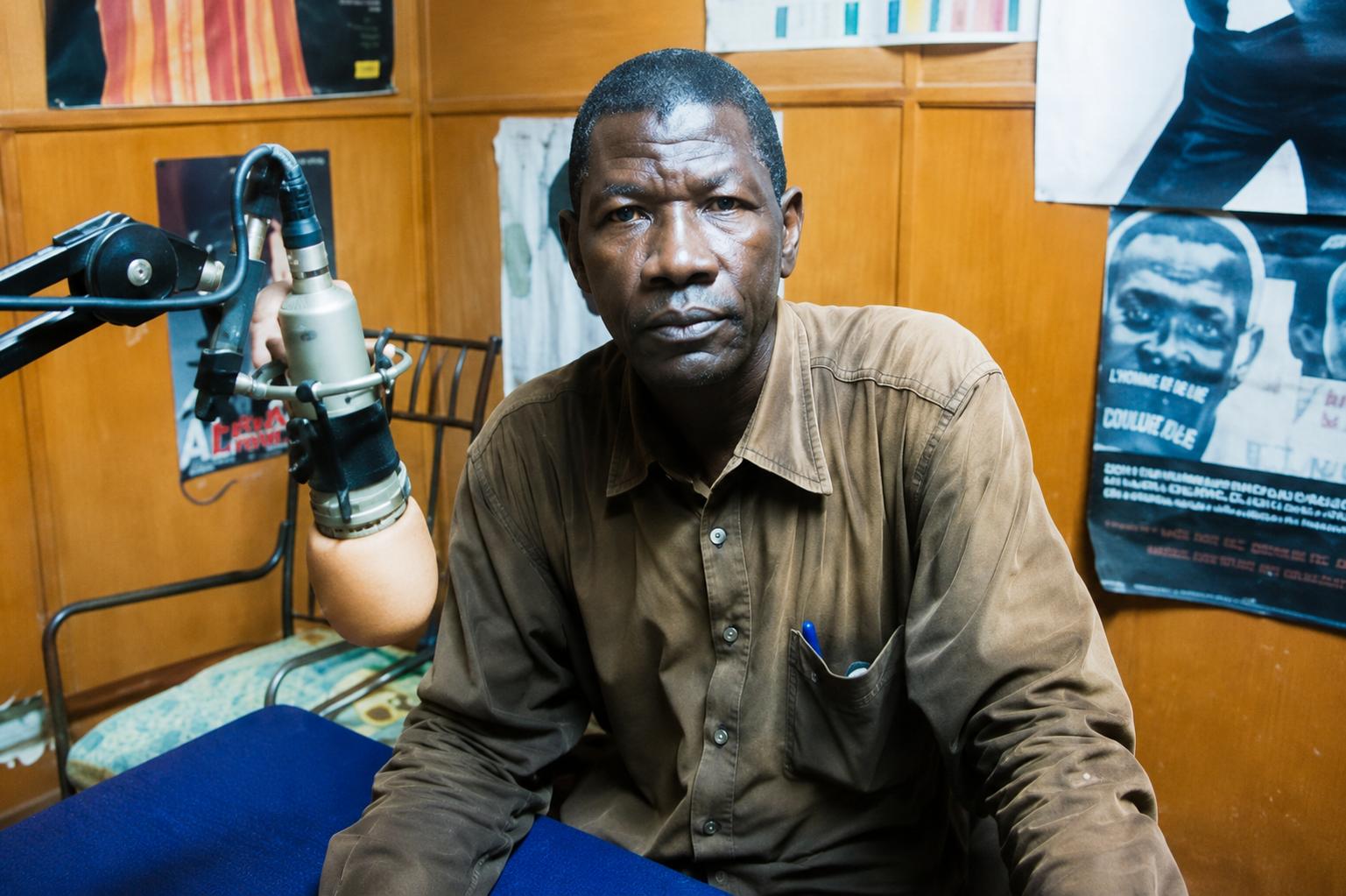
During a live broadcast with journalist Stanis Bujakera Tshiamala, Paul Nsapu, president of the National Human Rights Commission (CNDH), delivered a sharp analysis of human rights under President Félix Tshisekedi’s administration. While acknowledging legislative progress, he highlighted a stark divide between the capital and the war-torn east.
Structural violations in Kinshasa
In areas under Kinshasa’s control, Nsapu identified persistent violations of civil, political, economic, and social rights. These include access to work, healthcare, and education—issues he attributes to decades of systemic failures. Successive governments, he argued, have neglected development, leaving citizens without meaningful improvements in their daily lives.
Eastern DRC: a crisis of life and security
The situation in the eastern provinces—North Kivu, South Kivu, and parts of Ituri—paints a far grimmer picture. Here, the core human rights—life, security, and individual freedom—are routinely violated. Nsapu specifically pointed to the presence of Rwandan troops and allied militias operating outside government control as major drivers of this crisis.
Key takeaways
- Kinshasa’s issues: systemic neglect leading to violations of civil, political, and socio-economic rights.
- Eastern DRC’s crisis: direct threats to life and security, exacerbated by foreign interference.
- Root causes: decades of underdevelopment in Kinshasa; regional instability and external actors in the east.
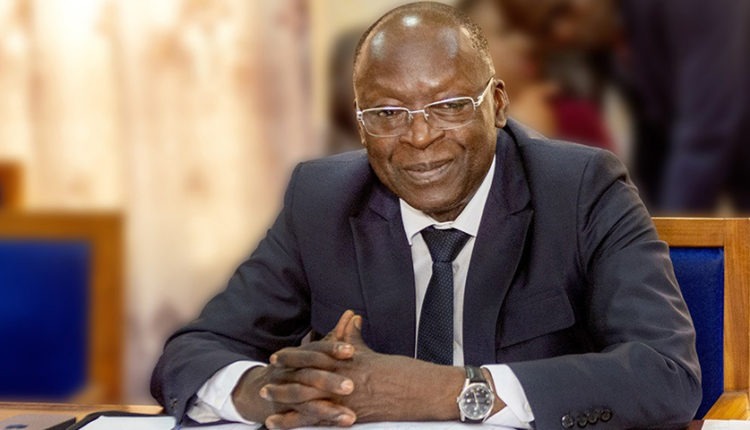
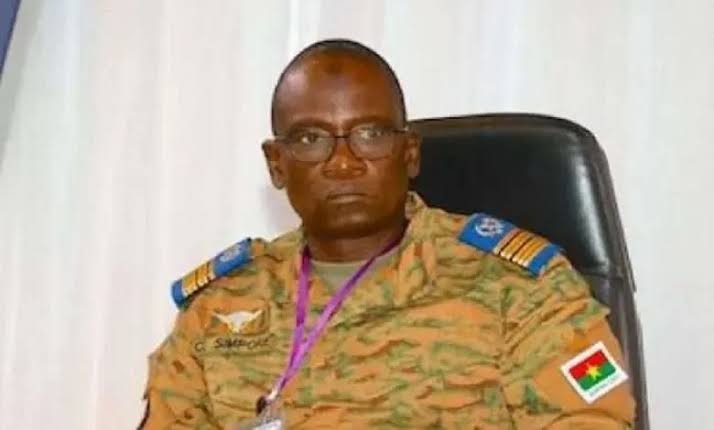
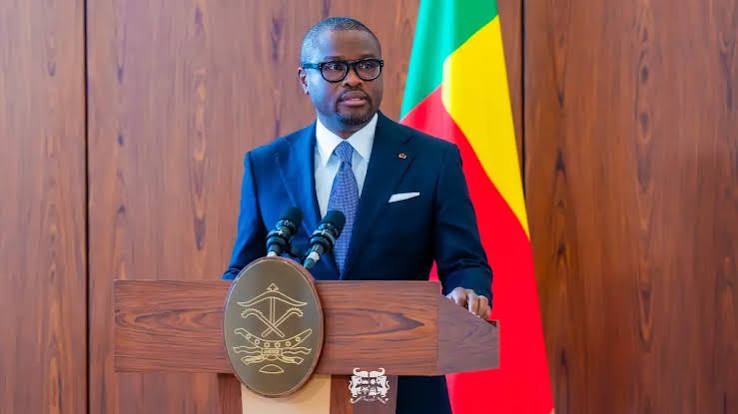
Image: Paul Nsapu during the live broadcast, discussing human rights challenges in the DRC.