
How Morocco’s security efforts protect the spanish enclave of ceuta
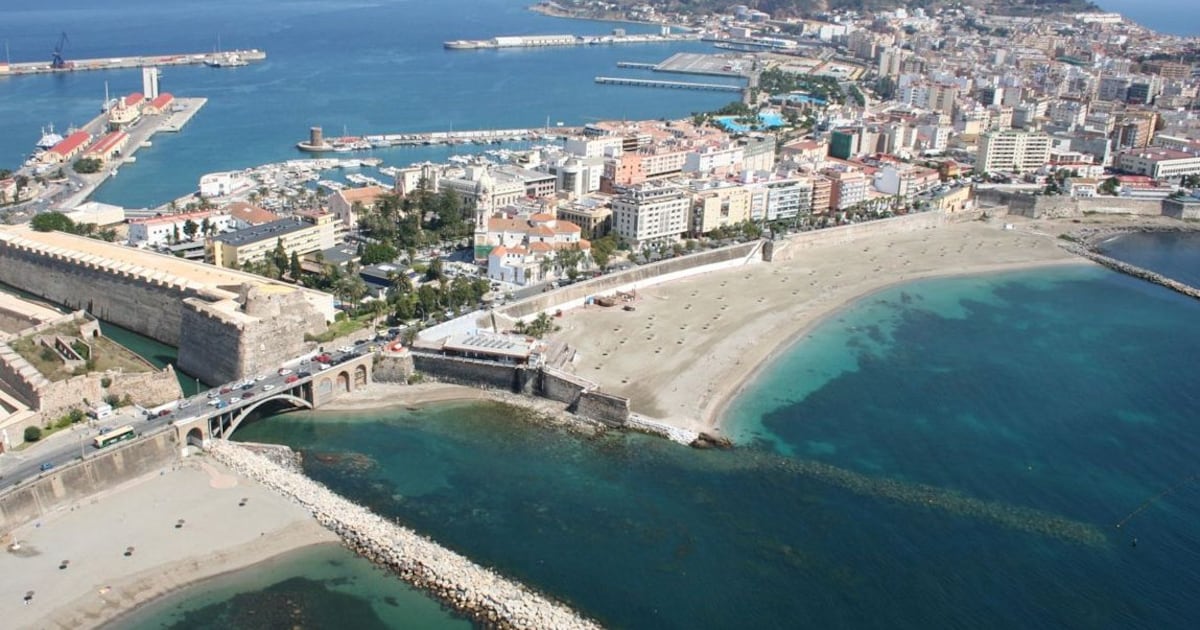
Spanish intelligence reports highlight the pivotal role Morocco has played in safeguarding the Ceuta enclave from terrorist threats. Through relentless collaboration, Moroccan security forces have thwarted multiple attacks targeting the city, disrupting intricate networks where illicit drug and smuggling profits fuel jihadist recruitment. Many of those radicalized hail from Ceuta itself, underscoring the gravity of the threat.
The strategic location of Ceuta—a gateway from North Africa to Europe—makes it a prime target for international terrorism, particularly jihadist factions. Recent arrests in the city’s heart confirm this ongoing danger, prompting heightened vigilance from Spanish authorities. Yet, the challenge has evolved beyond traditional cell structures, with digital terrorism now dominating the landscape. Online propaganda, recruitment, and financing have transformed the battleground, forcing security forces to adapt rapidly.
Ceuta has emerged as a critical front in the fight against global terrorism. Between 2012 and June 2026, Spanish Interior Ministry data reveals 458 counterterrorism operations nationwide, netting 816 jihadism-linked arrests. Within Ceuta alone, 19 operations led to 40 detentions, while the first half of 2026 saw 37 operations and 68 arrests across Spain. These successes stem from close coordination with Moroccan security agencies, which maintain constant surveillance over terrorist networks and cells, reinforcing Ceuta’s defenses.