Gabon’s mining sector fuels post-oil economic growth strategy
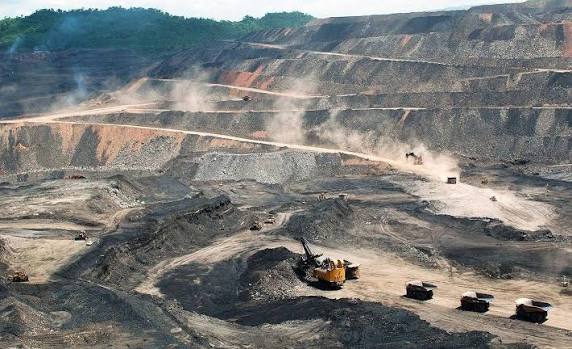
Facing a steady decline in its oil production, Gabon is shifting gears to propel its economic future. The nation is now banking on its rich mineral reserves to drive sustainable growth and diminish its reliance on hydrocarbons. By 2030, authorities aim to launch operations at eight new mining sites across the country.
Strategic minerals and targeted projects
Gabon’s mining ambitions center on high-value resources such as iron, gold, and potash. The government is actively advancing several initiatives, including the development of key deposits like Milingui, Baniaka, Mébaga, and M’Bilan for iron ore. Gold extraction at Etéké and a dedicated potash project are also in the pipeline, reflecting the country’s diversified mineral focus.
Economic transformation through mining
The mining sector currently contributes 6% to the national GDP. However, officials have set an ambitious target to elevate this share to nearly 20% in the coming years. This expansion is expected to generate thousands of job opportunities and bolster state revenues, supporting broader economic resilience.
Infrastructure: the backbone of mining growth
To unlock the sector’s full potential, Gabon must overhaul its infrastructure. Experts highlight the urgent need to upgrade road and rail networks, enhance port facilities, and strengthen the national energy grid. These improvements are critical to lowering logistics costs and streamlining mineral exports, ensuring the sector’s viability and competitiveness.
Balancing profits with people: social sustainability priorities
Civil society groups are urging authorities to prioritize equitable distribution of mining revenues. Advocacy organizations argue that a successful mining strategy must translate into tangible benefits for local communities, fostering long-term social development and inclusivity.
From extraction to industry: local processing as a priority
Libreville is committed to fostering a domestic mining industry by promoting local processing of extracted resources. This approach aims to boost export value, reduce dependency on volatile oil revenues, and lay the foundation for a more diversified and resilient economy.