Boussouma: behind the collapse of a village 77 km from Ouagadougou
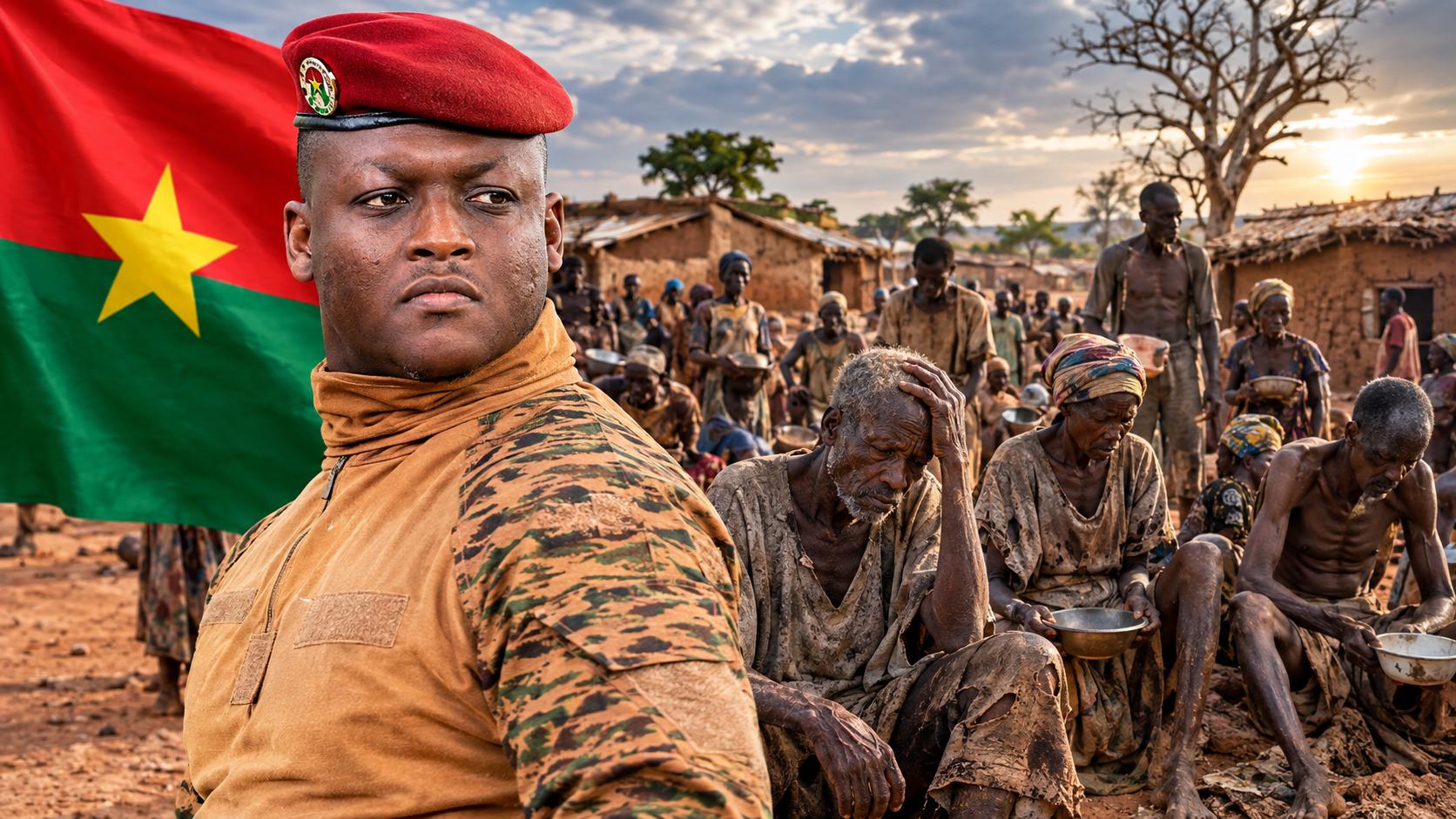
When the last families left Boussouma, they carried what they could and walked away from a place that had stood as a crossroads of trade and a tightly knit community for generations. Barely 77 kilometres north-east of Ouagadougou, the village has now been emptied by armed groups, its population scattered towards neighbouring localities or the outskirts of the capital. The speed of the collapse has stunned observers, but the roots of the crisis run deeper than the final exodus suggests.
The administrative overhaul that unsettled the community
The security breakdown did not begin with a sudden assault. It followed a sweeping reorganisation of the administrative and traditional framework imposed by the central authorities. By dismantling local customary leadership and disrupting the historic administrative network, the state severed the informal social shield that had held the area together.
At the heart of the disruption was the application of legislation on the status of customary chieftaincy, law No. 002-2026/ALT, alongside adjustments within the royal court of Boussouma. These measures, intended to modernise governance, instead created an institutional vacuum. The loss of familiar reference points left residents without the mediation structures they had long relied on.
How the void became an opening for armed groups
On the ground, that institutional void acted as a starting signal for armed groups. With the traditional structures that once provided community liaison and local intelligence weakened, the attackers moved in quickly to assert control. The absence of recognised customary authorities meant there was no longer a buffer between the population and the advancing threat.
The gradual installation of armed fighters and the near-total displacement of Boussouma’s residents mark a critical stage in the country’s deteriorating security situation. Seeing a village less than 80 kilometres from the capital deserted under terrorist pressure lays bare the scale of the state’s territorial retreat.
A tightening grip around the capital
The encirclement of Ouagadougou is no longer a distant fear but a measurable reality. Boussouma’s fate illustrates how quickly the security perimeter around the capital can shrink when local governance structures fail. Families arriving in nearby towns or on the edges of the capital describe leaving with almost nothing, joining the ranks of the displaced in conditions of extreme hardship.
For many local residents, the abandonment of Boussouma raises urgent questions about the wisdom of ongoing institutional reforms. These changes are widely seen as disconnected from the life-or-death priorities of the people on the ground. The crisis has become a test of whether the state can reassert its presence before more villages follow the same path.