Inside Benin’s chance equality card drive: why 1,422 new cards signal a deeper shift in disability policy
The mechanics behind a landmark distribution
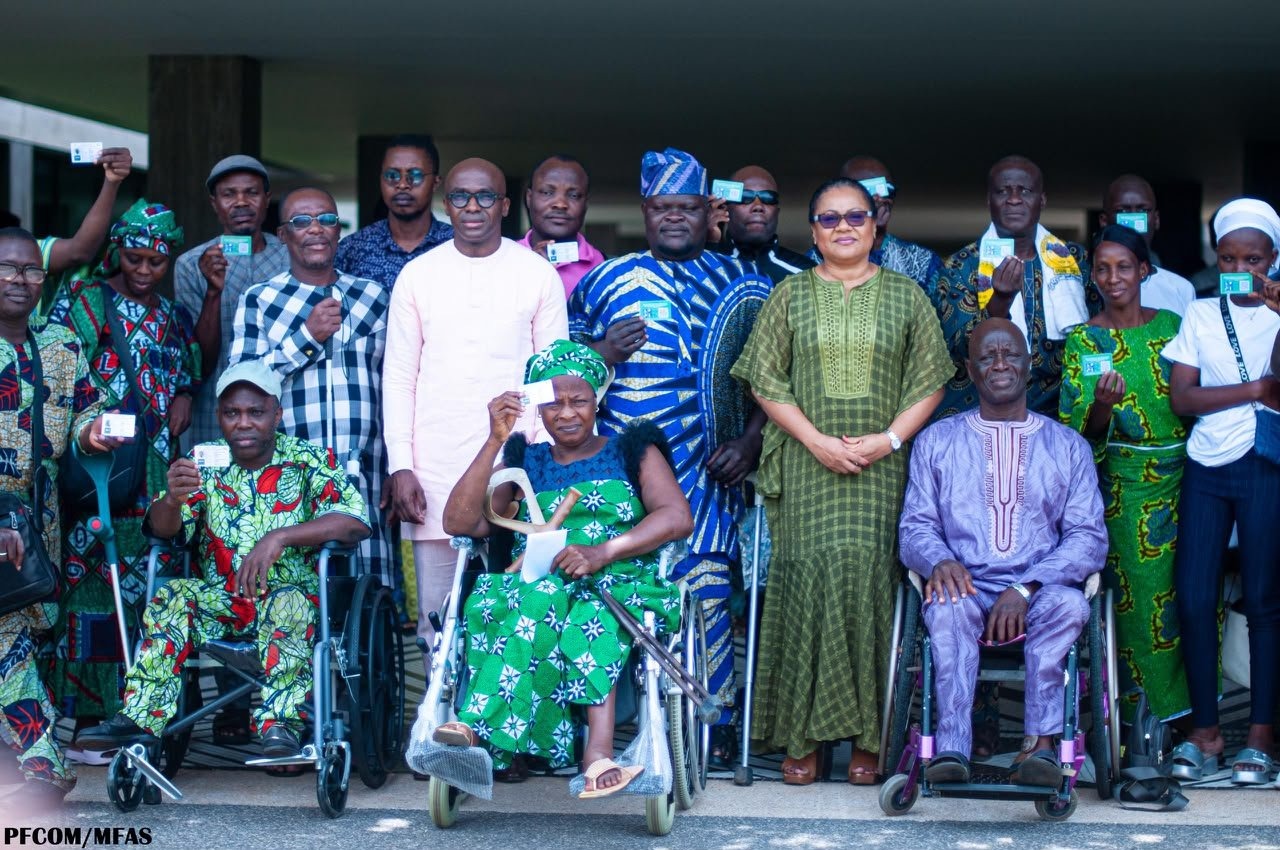
Benin’s government has taken another deliberate step in turning its social equity commitments into tangible reality. Social Affairs and Microfinance Minister Véronique Tognifodé personally oversaw the handover of 1,422 new chance equality cards to individuals living with disabilities. This latest batch pushes the total number of cards produced by the National Agency for the Identification of Persons (ANIP) and passed to the ministry for phased nationwide distribution past 6,100.
Why the card matters: a legal gateway, not just paperwork
Created under Benin’s law on the protection and promotion of the rights of persons with disabilities, the chance equality card is far more than an administrative ID. It functions as a legal and social tool designed to unlock priority and preferential access to a range of essential services.
- Healthcare: preferential pricing and free access to certain treatments or orthopedic equipment in public health facilities.
- Education and training: tuition exemptions or reductions in public institutions, plus priority access to scholarships and vocational training.
- Transport and employment: easier access to public transport and incentives for socio-professional integration in both the public and private sectors.
The deeper strategy: from vulnerability to ‘privileged citizens’
During the ceremony, Tognifodé framed the initiative as part of a broader government vision: transforming vulnerable people into what she called the “privileged of the Republic,” while dismantling the barriers of stigma and economic exclusion that have long kept them on the margins.
Data reliability and nationwide rollout
The issuance process rests on strict traceability, managed jointly by ANIP and the network of One-Stop Social Protection Centers (GUPS) operating in communes across the country. Every applicant undergoes a medical evaluation conducted by state-approved doctors, which formally establishes the disability rate and nature before a card is produced.
Representing beneficiaries, the Federation of Associations of Persons with Disabilities of Benin (FAPHB) welcomed the program’s continuity while urging families and eligible individuals to file their applications at GUPS offices to claim their rights. ANIP and the Ministry of Social Affairs are continuing distribution operations across Benin’s 12 departments to process the thousands of files still under review.