The President of Gabon has taken a firm stance on the persistent water and electricity shortages plaguing the country, declaring that the Société d’Énergie et d’Eau du Gabon (SEEG) must undergo sweeping reforms to resolve the crisis permanently. Addressing lawmakers in his annual State of the Nation address, he emphasized that separating water and electricity management could usher in a new era of efficiency and accountability.
Why the current model is failing Gabon’s utilities
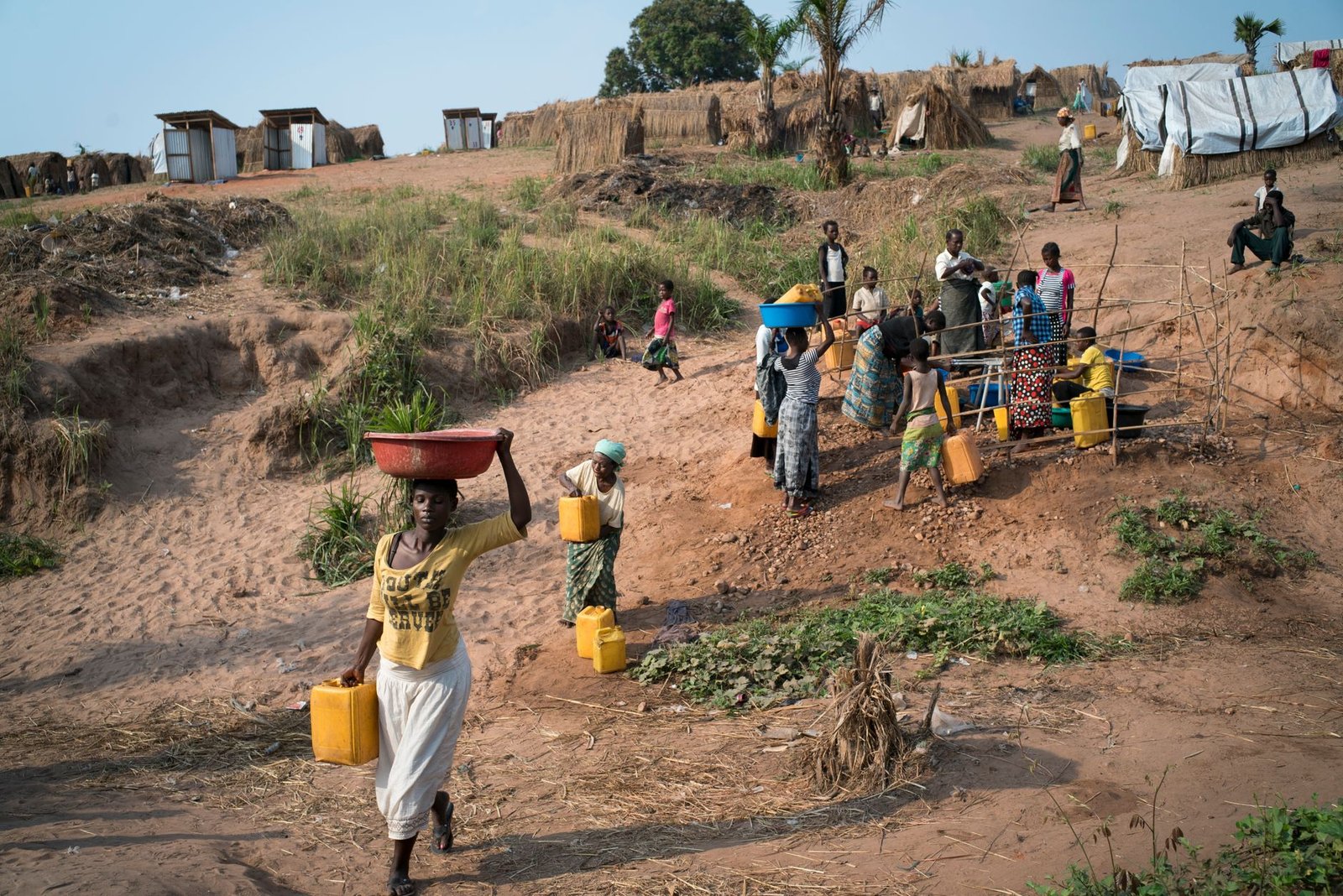
For years, Gabonese citizens have endured relentless power cuts and water shortages, a situation the President bluntly described as unacceptable. The existing model, where water and electricity are managed under one umbrella, has proven flawed. Under this system, critical repairs—such as fixing water leaks—can drag on for months, leaving communities without basic services for prolonged periods.
The head of state argued that tying the water sector’s revenue directly to service quality would accelerate interventions. He also pointed to gross mismanagement within SEEG, noting that delayed payments to operators have exacerbated technical failures and prolonged outages. Yet, the problems extend beyond institutional inefficiency.
User misconduct fuels the crisis
The President didn’t shy away from calling out user misconduct as a major contributor to the nation’s utility woes. Unpaid bills, tampered meters, illegal connections, cable theft, and even transformer sabotage have drained resources and destabilized the grid. These actions not only increase costs but also undermine efforts to improve service delivery.
Decades of neglect leave Gabon’s infrastructure in tatters
Technical assessments paint a grim picture: no major investments have been made in the country’s utilities over the past two decades, despite a near doubling of energy demand since 2010. The consequences are stark—Libreville and other urban centers face rotating blackouts, while rural areas endure months-long water disruptions.
Public reaction: hope mixed with skepticism
Residents of Libreville have mixed feelings about the proposed separation of water and electricity services. Mariam Yama, a long-time subscriber, supports the reform: “If splitting the sectors improves service quality, it’s a step in the right direction.” Others, like Nicole Esso, urge patience, arguing that the transition will take time. Meanwhile, Patrick Ruffin, a retired military officer, insists financial misconduct within SEEG must be addressed head-on.
Cédric Pango, a corporate executive, highlights a critical imbalance: “Electricity operations generate far more revenue than water services, which are often neglected. While the President’s initiative is understandable, if the water sector remains financially unviable post-separation, the crisis could worsen.”
Government steps to stabilize Gabon’s utilities
In early 2025, authorities signed a deal with a Turkish company to deploy two floating power plants, adding 150 megawatts to the grid serving Greater Libreville. Additionally, Gabon and Equatorial Guinea have interconnected their electrical networks, expanding regional cooperation. These moves reflect the government’s commitment to restoring reliable utility services.
With President Brice Clotaire Oligui Nguema—who assumed leadership through a 2023 coup before winning a landslide 94.85% victory in April 2025—prioritizing energy sector reforms, the stakes are higher than ever. The success of these changes will determine whether Gabon can finally break free from chronic shortages or remain trapped in a cycle of public discontent.