Civil society organizations unveil Kasangulu Manifesto to rebuild Democratic Republic of the Congo
- Politics
Civil society launches citizen roadmap for Democratic Republic of the Congo’s renewal
Civil society organizations in the Democratic Republic of the Congo (DRC) have unveiled the Kasangulu Manifesto, a comprehensive citizen-led roadmap designed to guide the country’s political, economic and social reconstruction. The initiative, spearheaded by the Crisis Committee of Civil Society for Peace and Security in DRC (CCPS-RDC), represents a collective response to the nation’s deepening crises.
The manifesto emerged from an inclusive national consultation process that brought together representatives from all provinces. It outlines a shared vision for national transformation centered on responsible governance, peace, security, social justice, citizen participation, education, healthcare, economic development, environmental protection and the strengthening of the rule of law.
From local initiative to national roadmap
The document was officially launched in Kinshasa on June 26, 2026, just days before the country’s Independence Day celebration. The symbolic timing underscores the manifesto’s call for all citizens to take responsibility for their nation’s future.
Ms. Sylvie Nakweti, Director of Communication, Advocacy and Documentation at DYCOD-RDC, opened the ceremony by commending civil society’s commitment to national renewal. Professor Iyoka Jean Bedel, who played a key role in drafting the document, emphasized its pedagogical approach:
“The Kasangulu Manifesto represents an inclusive, educational process designed to provide the Democratic Republic of the Congo with a foundation for reflection and action toward its renaissance.”
Me Patient Bashombe Matabishi, CCPS-RDC Coordinator, highlighted the historical significance of the initiative:
“We are launching this citizen manifesto today because its drafting process took place in Kasangulu. This document embodies civil society’s vision for the country’s recovery. We acknowledge that our nation faces historic challenges, and this manifesto offers a path forward for our refoundation and renewal.”
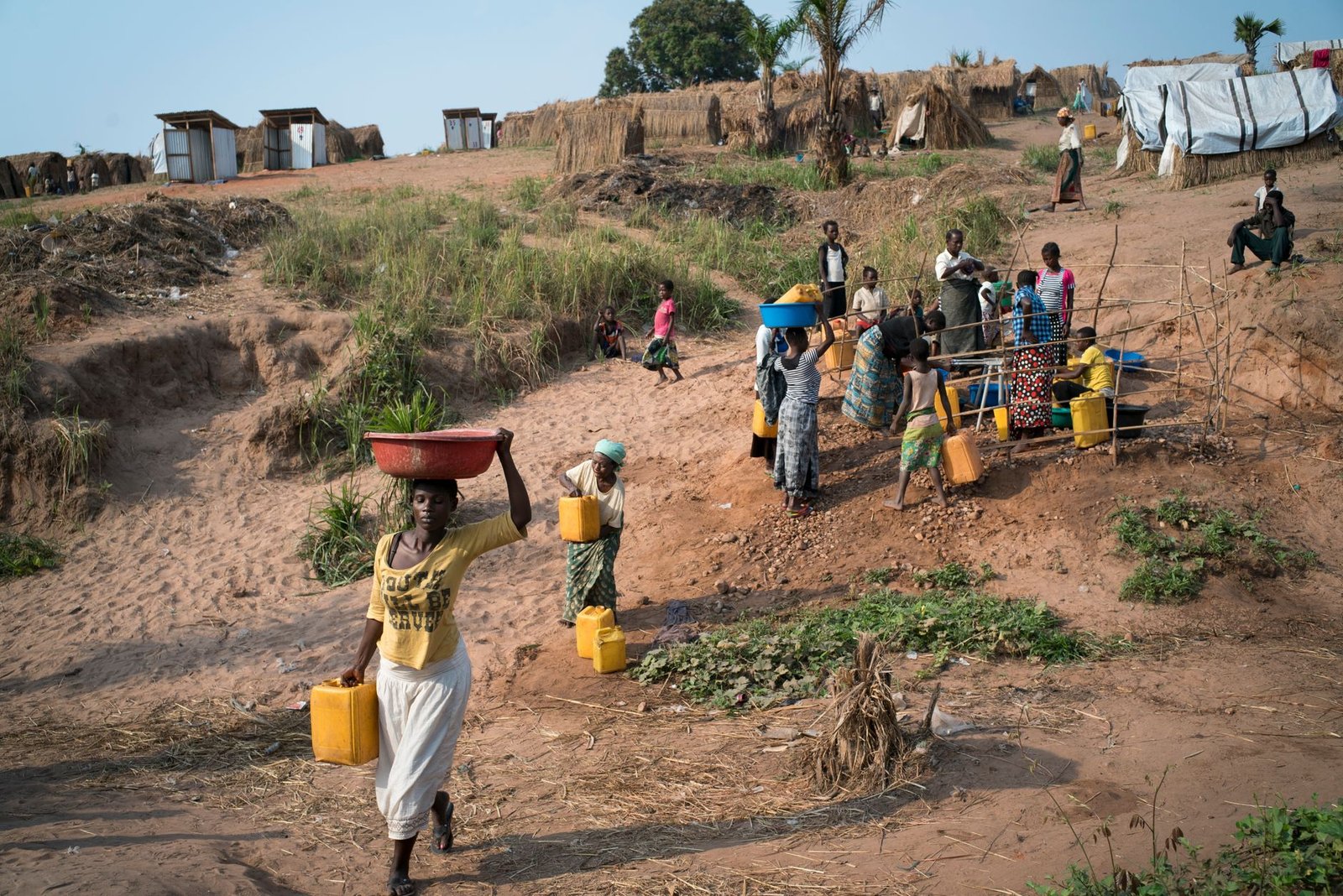
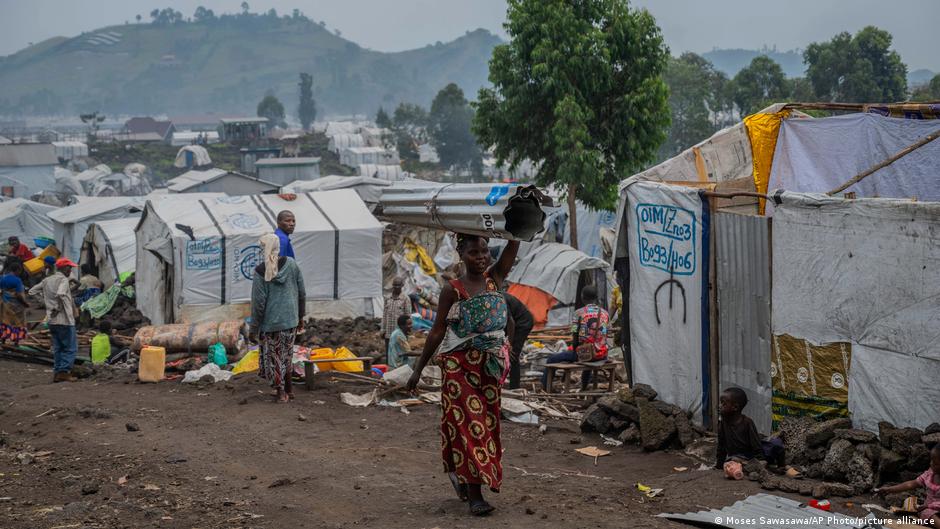
The manifesto launch coincides with heightened tensions in eastern DRC, where the resurgence of armed groups and regional instability have exacerbated the humanitarian crisis. Against this backdrop, civil society leaders stressed the need for national unity and consensus-based solutions.
A vision for constitutional reform
The Kasangulu Manifesto addresses ongoing debates about constitutional reform, particularly the controversial “locked” provisions. Me Matabishi cautioned against unilateral approaches, emphasizing that any constitutional changes must reflect a national consensus to preserve the country’s unity:
“The Constitution is the fundamental tool of national cohesion. Any process that fails to include all provinces or threatens national unity could lead to implosion. We believe these locked provisions, which form the core of the debate, require a consensus that goes beyond electoral politics.”
The manifesto proposes the Citizen Revolution, a democratic movement championed by the BLOC-RDC movement. This initiative aims to promote active citizenship, good governance and national sovereignty. During the launch event, Me Matabishi was elected president of BLOC-RDC, with Professor Iyoka Jean Bedel named as Secretary General.
Nationwide mobilization
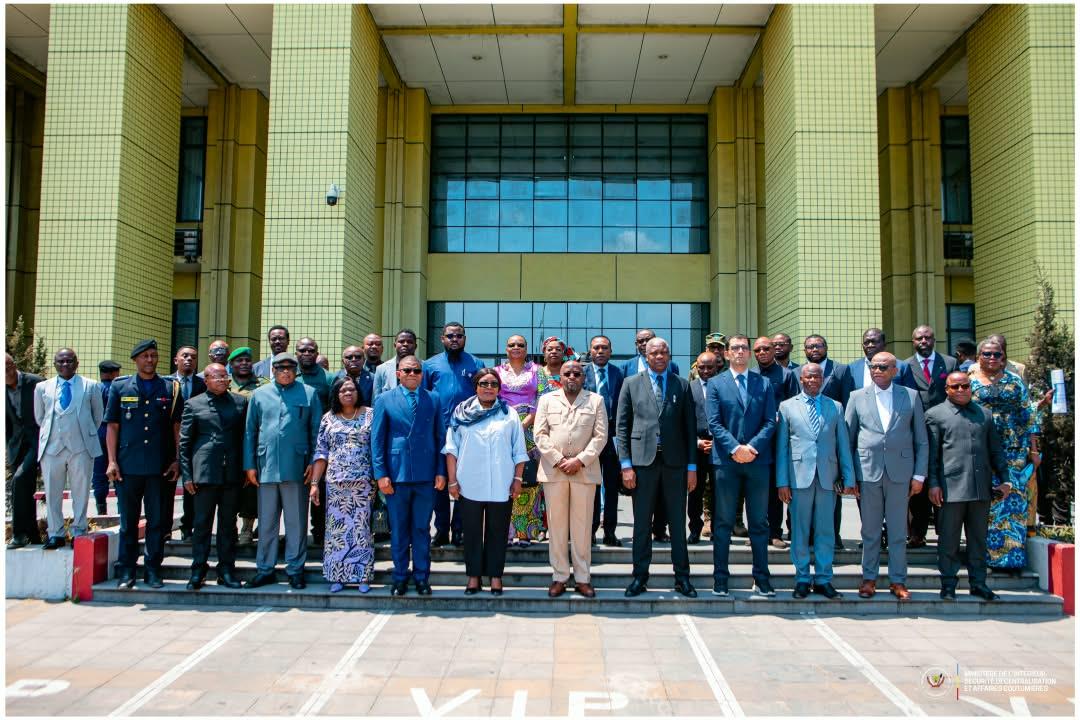
The initiative gathered nearly 200 civil society organizations, community representatives, academics, trade unionists, lawyers, doctors, entrepreneurs, youth leaders, women’s movements, human rights defenders and local leaders. Participants endorsed the manifesto and called for a national awareness campaign to ensure its adoption across the country and among the Congolese diaspora.
In closing, the CCPS-RDC urged all segments of society to embrace the Kasangulu Manifesto as a vital contribution to the refoundation of the state, consolidation of peace and building of a more just, prosperous and democratic future for the DRC.