The United Nations has issued a firm call for political consensus in the Democratic Republic of the Congo (DRC), emphasizing the urgent need to uphold civic freedoms and fundamental rights as the nation navigates deepening constitutional debates and escalating tensions.
James Swan, head of the UN Stabilization Mission in the DRC (MONUSCO), delivered a critical message from the UN Security Council, urging all Congolese stakeholders to unite behind an inclusive national dialogue framework. His statement carries significant weight as Kinshasa grapples with internal divisions and the recent attack on the headquarters of the National Episcopal Conference of the Congo (CENCO), a symbolic institution in the country’s civil society.
protecting civic space: a priority for sustainable peace
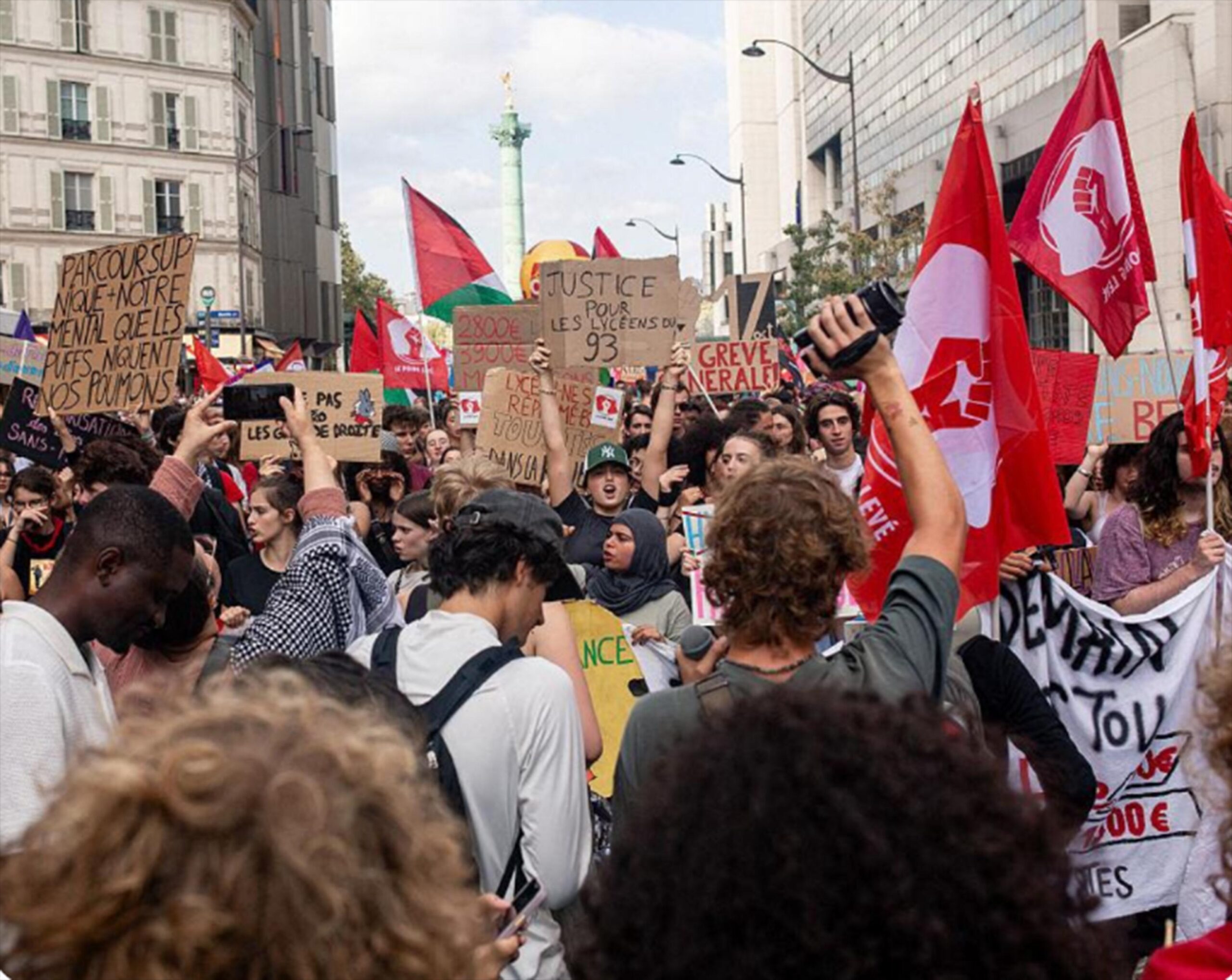
The UN official underscored the importance of preserving civil liberties—particularly freedom of expression and peaceful assembly—stressing that these rights are non-negotiable pillars for any meaningful political process. Swan’s intervention comes at a time when the constitutional reform debate has become a flashpoint, with opposing factions hardening their positions and threatening to derail efforts toward national reconciliation.
security sector reforms gain momentum
Amid the political turbulence, the DRC government has made progress on security sector reform, a key demand from both domestic and international actors. Swan highlighted the establishment of a national commission tasked with overseeing the reform of the security apparatus. Additionally, the presidency is finalizing the country’s first-ever national security policy, a landmark initiative aimed at stabilizing the eastern regions plagued by armed groups.
The eastern DRC remains a volatile and complex landscape, with persistent threats from armed factions and recurring humanitarian crises. The UN’s latest assessment describes the situation as “devastating”, with civilians bearing the brunt of ongoing violence. Swan’s remarks reflect a broader international concern over the DRC’s ability to transition from conflict to stability without compromising democratic principles.
a call for unity in uncertain times
The UN’s appeal for consensus is not merely rhetorical—it is a strategic necessity to prevent further fragmentation. With political alliances shifting and public trust in institutions eroding, the timing of Swan’s message could not be more urgent. The international community is watching closely, as the DRC’s trajectory will have regional implications in the Great Lakes area.
As the dialogue process unfolds, the UN’s insistence on safeguarding freedoms and fostering inclusive participation serves as both a challenge and an opportunity for Congo’s leaders. Whether the call for consensus will translate into tangible action remains to be seen—but one thing is clear: the stakes couldn’t be higher.