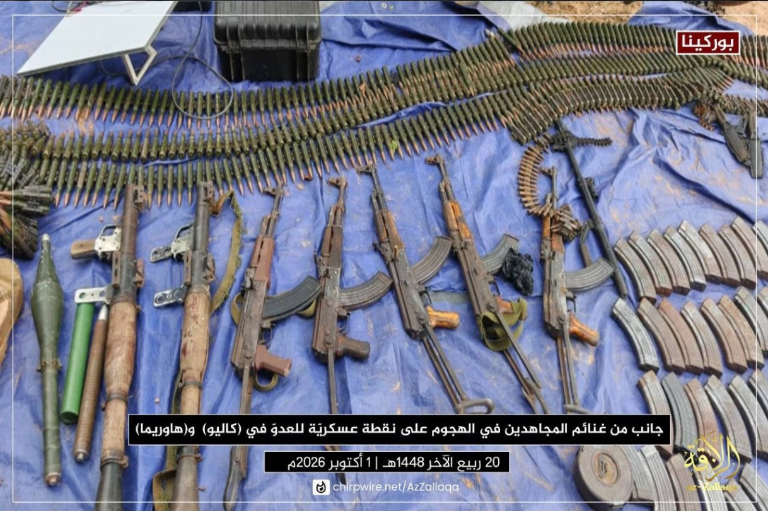
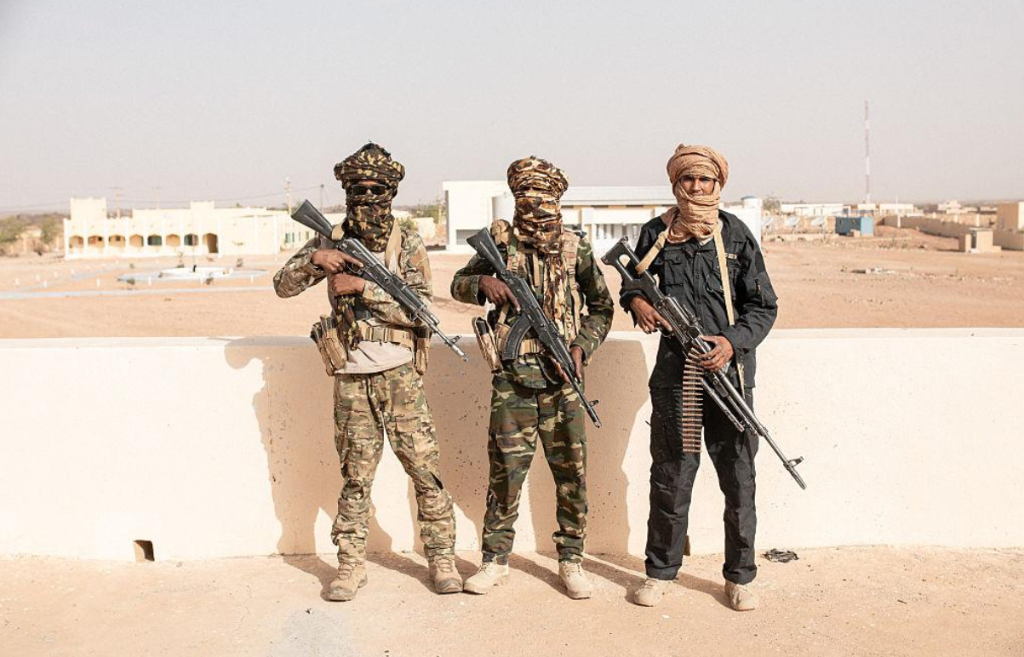
On June 24, 2026, Niger witnessed an unprecedented wave of violence as the Islamic State in the Sahel (ISIS-Sahel) launched coordinated assaults on military outposts in Inates and Banibangou. The attacks, claimed by the extremist group, left at least 80 soldiers dead, nearly 40 vehicles destroyed, and over 30 seized, sending shockwaves through the region’s fragile security landscape.
Twin assaults expose vulnerabilities in Niger’s defense
The synchronized strikes on that fateful Wednesday revealed a chilling level of tactical precision among the militants. The assaults struck at a moment when vigilance is typically low, catching Nigerien defense and security forces off guard in two of the most volatile zones along the nation’s western border.
In Inates—a notorious hotspot in the so-called “three borders” area shared with Mali and Burkina Faso—the onslaught was devastating. ISIS-Sahel reported killing at least 70 soldiers, torching 22 military vehicles, and seizing 24 more. Hours later, a second wave of attackers struck Banibangou, where they claimed 10 lives, destroyed 16 vehicles, and captured six. Military analysts warn that the coordinated nature of these assaults underscores the group’s enduring operational capacity and ability to exploit porous borders despite ongoing regional counterterrorism efforts.
Economic paralysis deepens in Tillabéri region
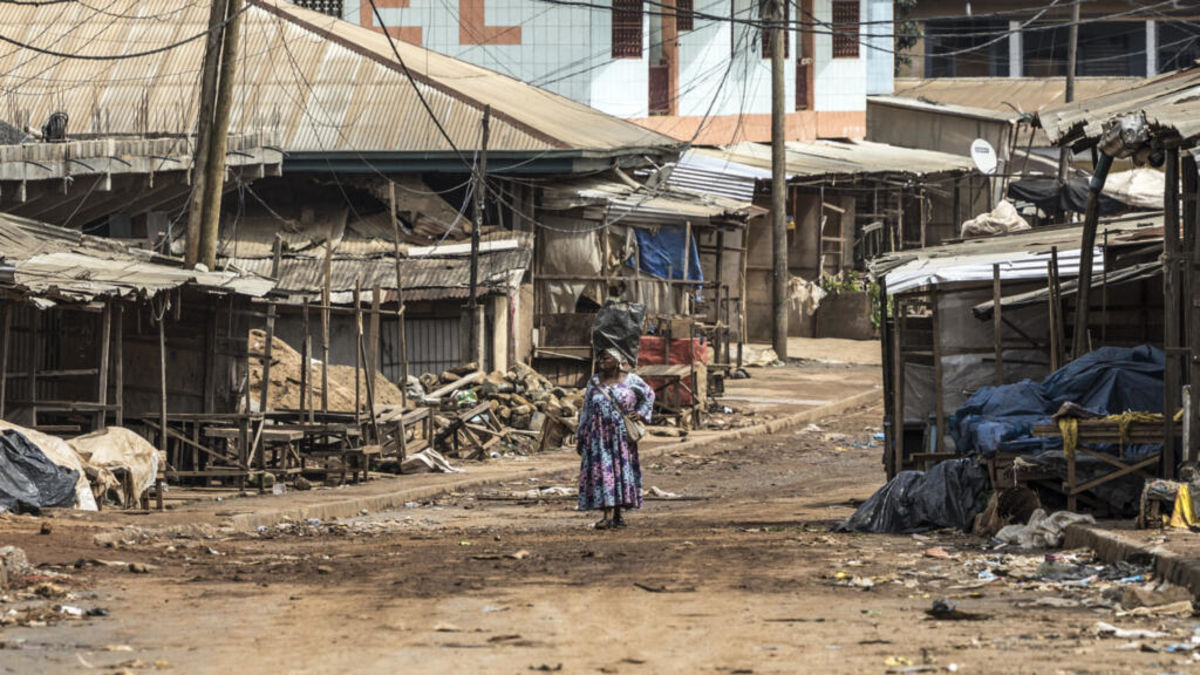
The fallout from the June 24 attacks extends far beyond the battlefield, crippling the economic lifelines of Tillabéri’s communities. Inates and Banibangou are not just military strongholds; they are vital commercial hubs that sustain local livelihoods. The ripple effects of the violence have already begun to strangle the region’s fragile economy.
The paralysis is threefold:
- Collapse of weekly markets: These gatherings, once the heartbeat of the local economy, have been abandoned out of fear of further raids. Trade in livestock and grains has ground to a halt.
- Road networks severed: With nearly 70 vehicles—military and civilian—destroyed or seized, safe passage for goods and people has vanished, isolating communities from the rest of the country.
- Agricultural abandonment: As the rainy season approaches, farmers and herders are refusing to venture into distant fields, threatening food security in the coming months.
Communities unite in grief and resilience
From Niamey to Tillabéri, the nation is grappling with grief. Families of the fallen demand answers, while survivors in Banibangou recount harrowing scenes of devastation. The strategy of ISIS-Sahel is clear: to instill fear, crush morale, and force displacement or submission among the populace.
Yet, amid the despair, resilience is stirring. Blood donation drives have surged in hospitals across the capital to aid the wounded, and civil society is urging the government to prioritize these embattled regions over urban centers. The message is urgent: Niger cannot afford to abandon its peripheries.
Rethinking security: a fight on two fronts
The attacks in Inates and Banibangou have laid bare the limitations of Niger’s current security apparatus, particularly in early warning systems and surveillance. The military junta now faces a critical reckoning: how to adapt tactics swiftly to counter an enemy that remains dangerously agile.
But military action alone will not suffice. Restoring stability demands more than firepower; it requires rebuilding economic trust. Without secure trade routes and functioning markets, military presence alone cannot revive these stricken areas. The coming weeks will be pivotal, demanding a dual strategy: aggressive counteroffensives to push back the militants and urgent economic lifelines to prevent these regions from slipping into financial ruin.