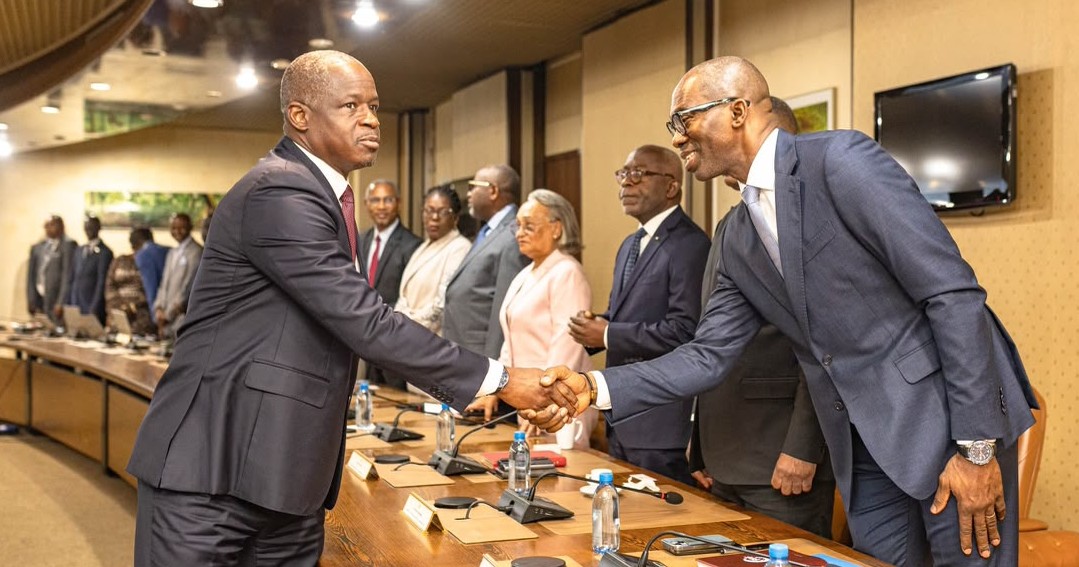
Gabon’s government has officially launched critical budget conferences in Libreville to lay the groundwork for the 2027 finance bill, marking a decisive step in state financial planning.
The sessions follow a structured two-phase process as outlined in Official Circular No. 000245/PR/SG dated March 31, 2026, which sets the timeline for budget preparation. The first phase, running from July 14 to 17, focuses on ministerial-level discussions. The second phase, slated for July 20 to 24, will take place within sectoral ministries and involve budget officers, program managers, state operators, and officials from the General Directorate of Budget and the General Commissariat for Planning and Development.
The primary objectives include assessing revenue realism, evaluating the feasibility of proposed expenditures, and identifying public sector financing gaps. These conferences aim to foster a budget that is transparent, grounded in reality, and financially sustainable, aligning with the government’s push for stronger public resource mobilization and smarter spending.
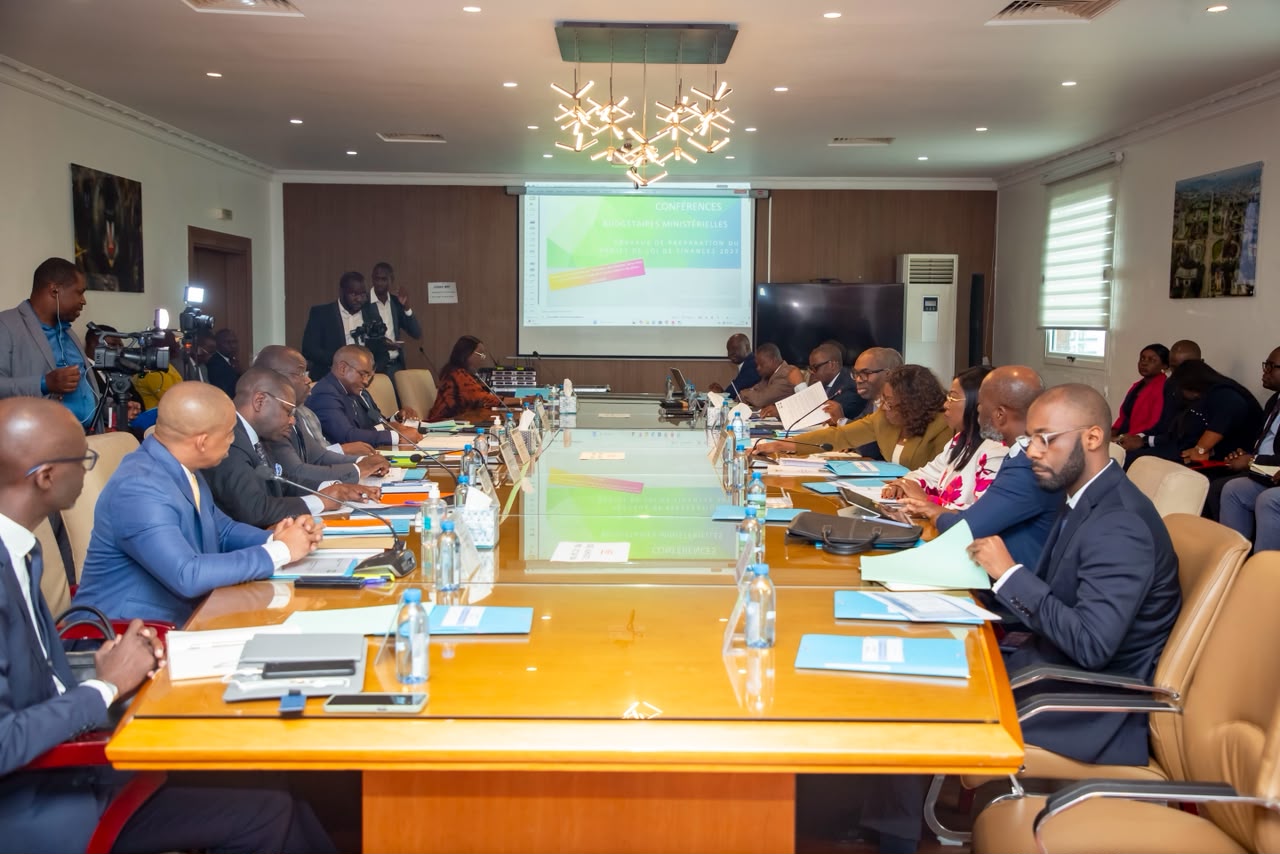
These deliberations are deeply rooted in the 2026–2030 National Growth and Development Plan (PNCD), as well as insights from the June 27 budget orientation debate and parliamentary exchanges on the 2026 revised finance law. They also reflect commitments made during the Extraordinary CEMAC Heads of State Conference held in Brazzaville on January 22, 2026.
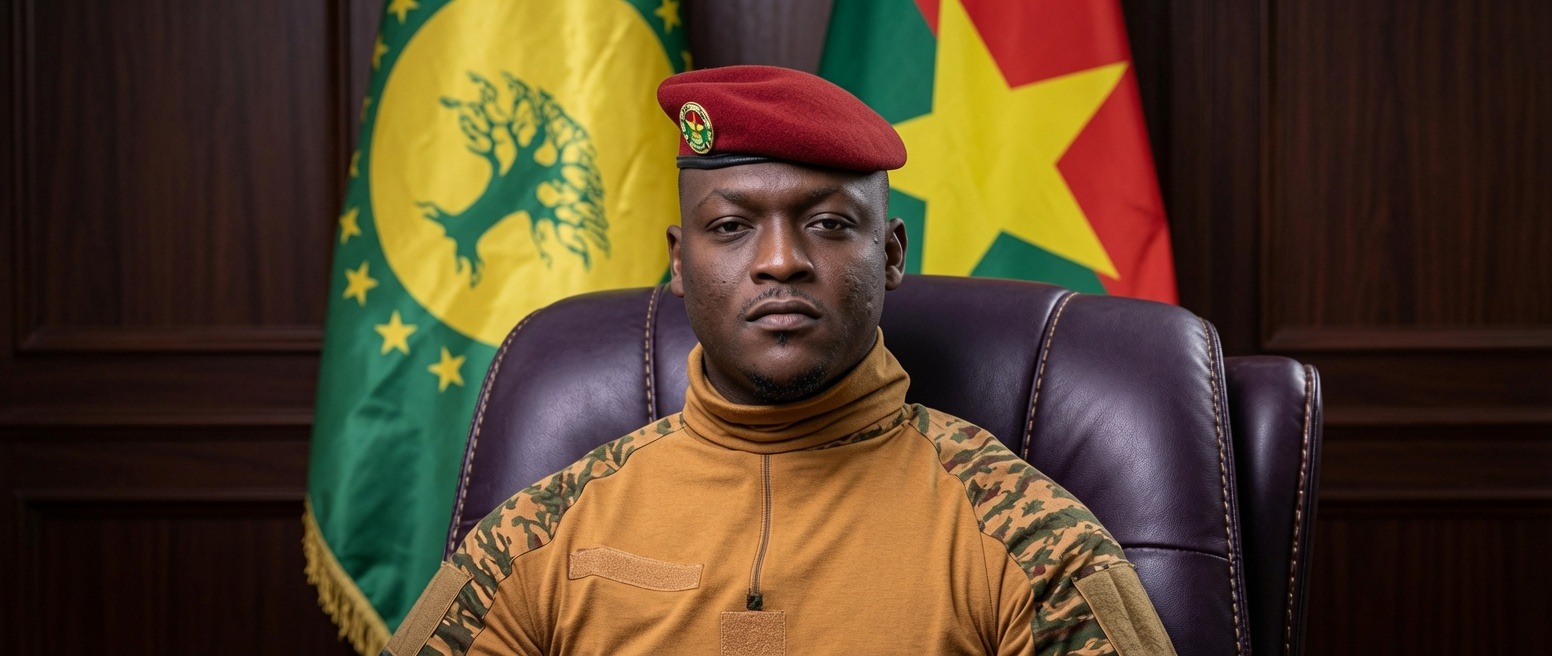
The outcomes will reflect the strategic priorities outlined by President Brice Clotaire Oligui Nguema in his June 15, 2026, State of the Nation address to Parliament, particularly regarding fiscal responsibility and economic transition.
Last year’s budget adjustments underscore the challenges faced. The 2026 finance law was revised downward to 5.4952 trillion CFA francs, down from an initial estimate of 6.3582 trillion, a reduction of 862.9 billion CFA francs. This adjustment responded to weaker-than-expected revenue projections and a commitment to public expenditure control.
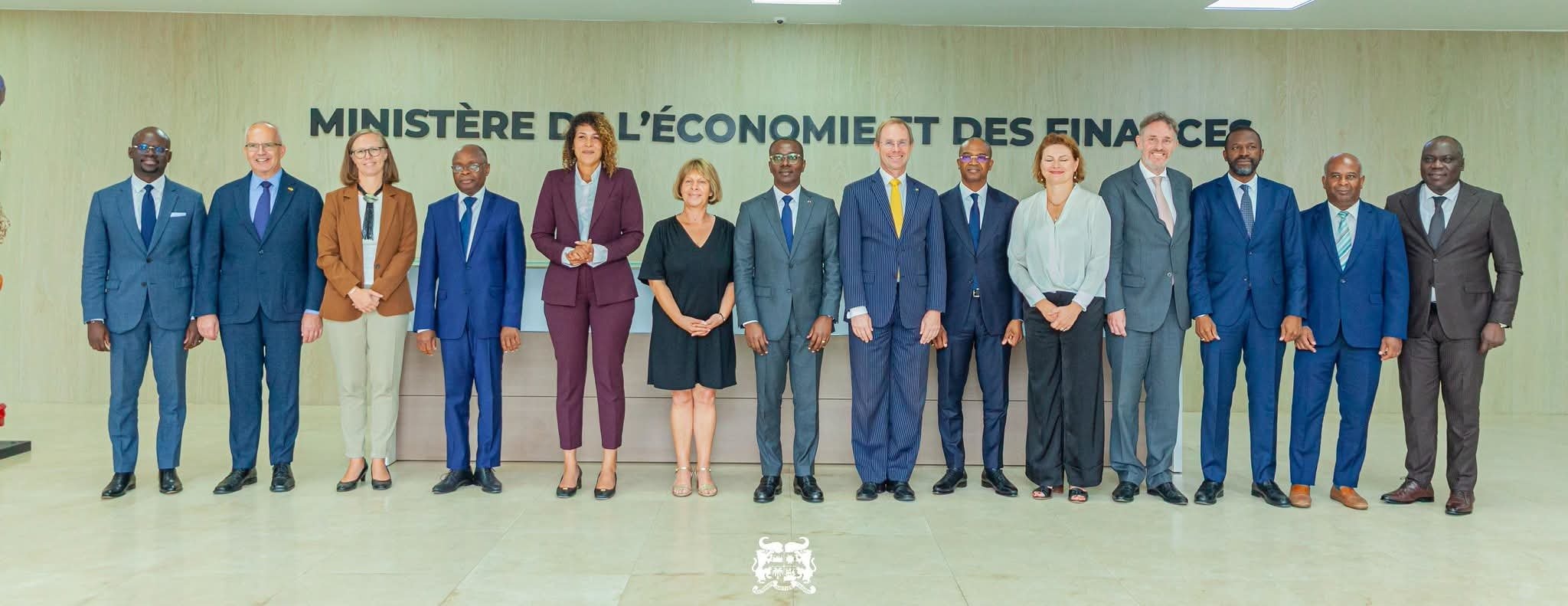
The 2026 budget prioritizes continued investment in infrastructure, social policies, and fiscal consolidation amid economic and institutional transition. Thierry Minko, Minister of Economy, emphasized that the discussions must ensure the 2027 budget aligns with the 2027–2029 macroeconomic and fiscal framework while advancing national development goals.