
New visual evidence raises concerns over Mali military operations
Recent airstrikes in Mali have left behind unsettling evidence: remnants of cluster munitions, a controversial weapon banned in most countries due to its indiscriminate impact on civilians. Investigations confirm the presence of Soviet-era submunition components, sparking urgent questions about military conduct and compliance with international humanitarian law.
What the images reveal
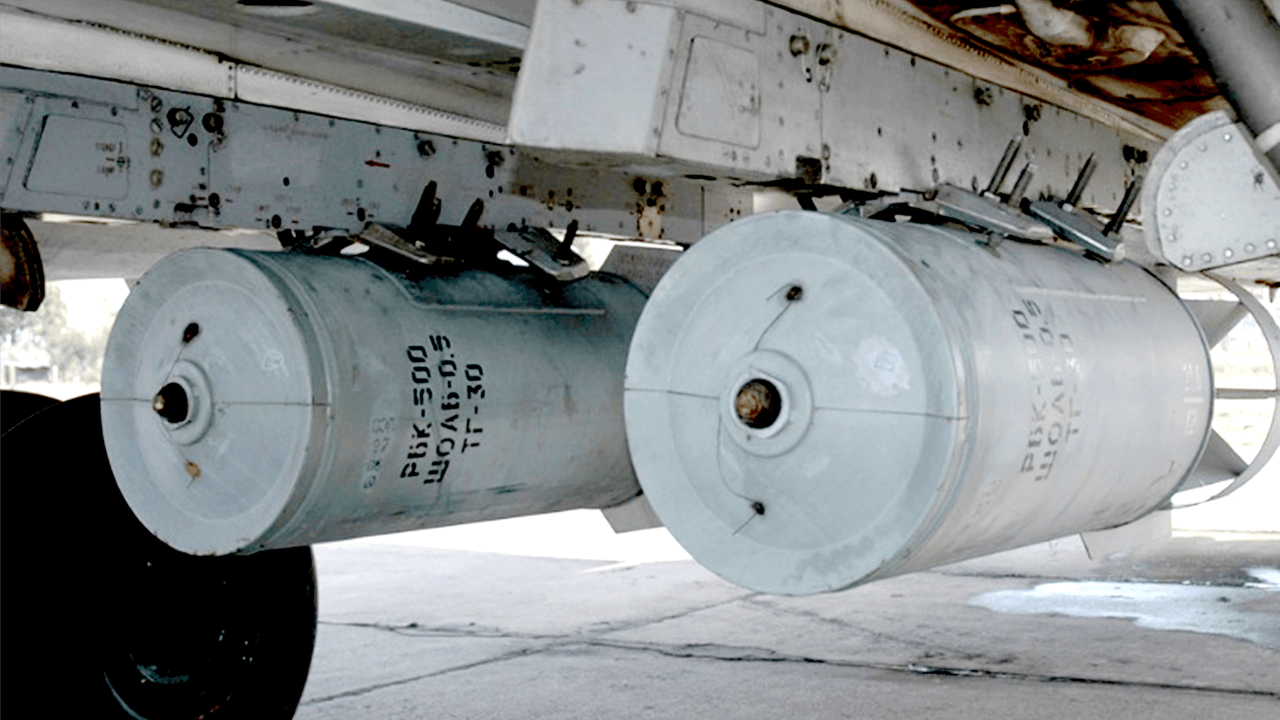
The visual documentation highlights the aftermath of what appears to be coordinated strikes, with clear traces of cluster bomb deployment. These weapons scatter numerous smaller explosives over a wide area, posing severe risks long after initial strikes. The images show fragments consistent with RBK-series aerial bombs, a type originally manufactured during the Cold War but still circulating in conflict zones.
Implications for Mali’s security landscape
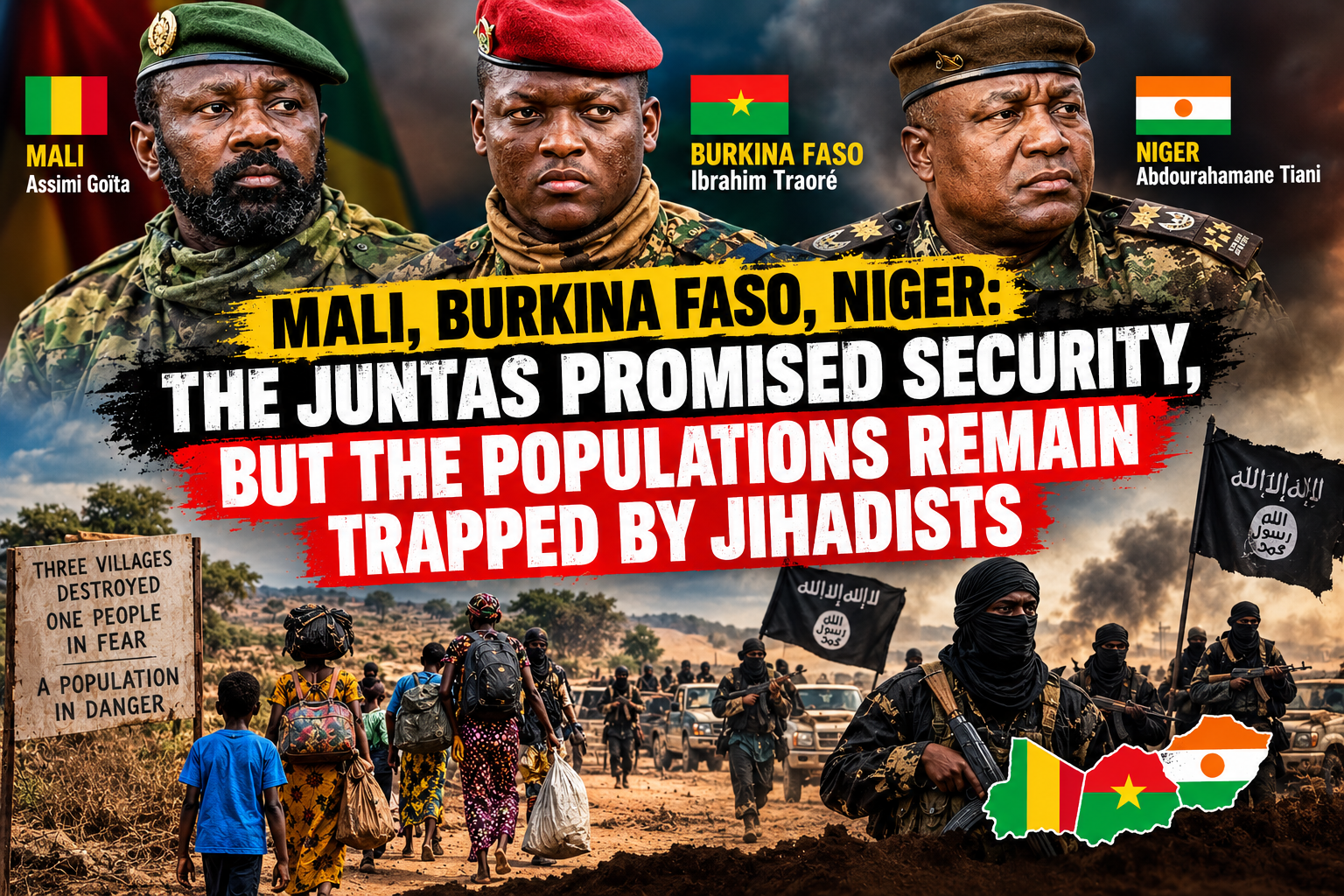
Such findings underscore the fragile security situation in Mali, where armed groups continue to challenge state authority. The use of these munitions not only intensifies humanitarian concerns but also complicates efforts to protect civilian populations in conflict-affected regions. Analysts warn that the deployment of such weapons could escalate tensions and hinder peacebuilding initiatives.
International response and accountability
Human rights organizations have long condemned the use of cluster munitions, citing their long-term dangers to communities. The discovery in Mali raises pressing demands for transparency from military authorities and accountability for any violations of international conventions. Investigative teams are now examining the evidence to determine the exact circumstances of these strikes and their potential impact on local populations.
Broader context in the Sahel
This incident is not isolated. Similar reports have emerged across the Sahel, where volatile security conditions persist. The proliferation of such weapons exacerbates instability, making civilian safety a growing concern. Authorities and international partners are urged to address these violations promptly to prevent further harm and restore trust in conflict resolution efforts.