Ebola containment in dr Congo demands open borders and swift action
The Democratic Republic of Congo (DRC) faces a relentless Ebola outbreak, with confirmed cases surpassing 3,000 and fatalities nearing 1,500. Humanitarian organizations warn that the epidemic’s exponential growth—doubling every three weeks—outpaces containment efforts.
Julien Harneis, the United Nations’ lead coordinator for Ebola response, emphasized the urgency: ‘The spread is accelerating faster than our ability to respond.’ While some nations imposed restrictions, global health authorities advocate for unobstructed border crossings to ensure medical supplies, expert teams, and healthcare workers can move freely into affected regions.
Why open borders matter in the fight against Ebola
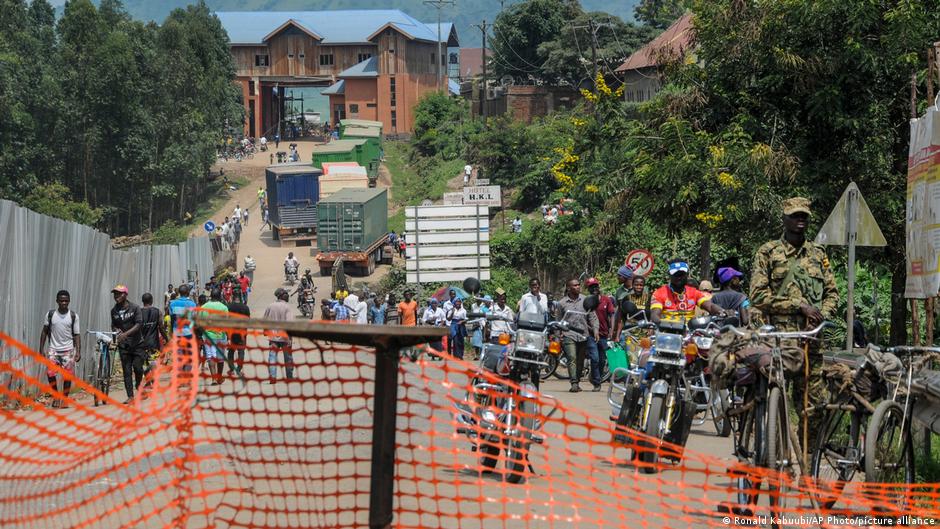
Several countries, including Rwanda and Uganda, initially restricted crossings with the DRC. Rwanda later reopened select land borders with temperature checks and hand sanitization, while Uganda permitted humanitarian aid, security personnel, and essential goods to pass despite temporary closures. Canada, too, suspended immigration services for travelers from the DRC, Uganda, and South Sudan.
Yet, the United Nations insists that sealed borders could backfire. Restricting movement forces communities into unmonitored routes, undermining surveillance and containment efforts. Open passages remain critical for delivering life-saving medical aid and enabling rapid response teams to reach remote areas.
Ebola’s ripple effect on food security in the DRC
The World Food Programme describes the outbreak as ‘a crisis layered upon another.’ In Ituri Province—the epicenter of the epidemic—1.9 million people now face acute food shortages. Butoto Bigiri Naum, head of the Congolese NGO Action pour le développement et le bien-être des communautés (UGEAFI), highlights the human toll: ‘Families often care for Ebola patients when aid doesn’t reach them. Food shortages ripple through communities, leaving even those not infected struggling to survive.’
Border restrictions have choked supply chains for food and agricultural inputs like seeds and tools, worsening vulnerability. The WFP reports that 2.65 million people in Ebola-affected zones now face food insecurity, with 628,000 in emergency conditions. Women, children, and pregnant women are particularly hard-hit as rising food prices strain household budgets.
The agricultural sector suffers doubly: farmers delay planting or abandon fields due to fear of infection or labor shortages, threatening long-term food production. To mitigate disaster, the WFP provides rations to Ebola patients, their contacts, frontline workers, and vulnerable households—helping families comply with quarantine while easing pressure on basic needs.
Food assistance also reduces desperate migrations for sustenance and fosters an environment where health interventions can operate effectively. Without it, the cycle of poverty and disease risks spiraling further.