Drones in Africa: balancing sovereignty with growing foreign reliance
Navigating the dual challenges of autonomy and technological dependence
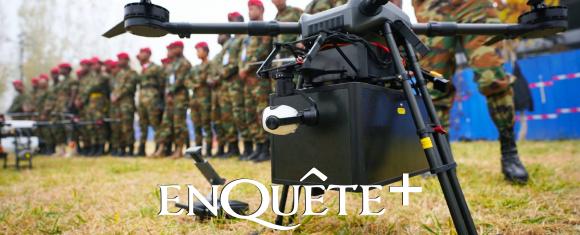
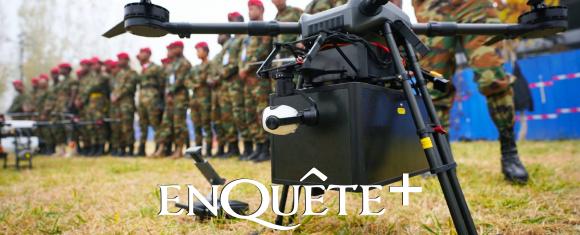
Drones have rapidly evolved from surveillance tools into central components of African military strategies. Their integration reflects a broader shift in how conflicts are waged across the continent, as both state actors and non-state armed groups increasingly adopt these technologies. While drones enhance operational capabilities, they also expose African nations to new vulnerabilities in security, governance, and civilian protection.
Initially deployed for intelligence and reconnaissance, drones now play a pivotal role in security operations across West and East Africa. Their swift adoption highlights a fundamental transformation in warfare on the continent, where drones serve as both tactical assets and instruments of psychological influence.
Accelerating drone acquisitions across the continent
The past two decades have seen a dramatic surge in drone procurement. In 2001, only one African country had acquired military drones; by 2021, that number had grown to 21. Between 1980 and 2024, 31 African nations collectively acquired over 1,500 military drones, with a sharp increase between 2020 and 2023. North Africa accounts for more than half of these acquisitions, while Nigeria ranks among the top importers on the continent.
This rapid expansion is driven by deteriorating security conditions. Facing threats from armed groups and internal conflicts, African states rely on drones for remote surveillance, precision strikes, and force protection, minimizing risks to ground troops.
Conflicts in Sudan, Mali, Burkina Faso, Niger, Somalia, and Ethiopia exemplify this trend. Drones have become indispensable in military operations, as well as tools for propaganda and communication, used by both government forces and insurgent groups.
From civilian gadgets to lethal weapons
One of the most significant developments is the democratization of drone technology. Commercial drones, widely available and easily modified, are now being weaponized by groups such as Boko Haram, Al-Shabaab, and the Group for the Support of Islam and Muslims (JNIM). This shift has fundamentally altered power dynamics, enabling targeted strikes, ground operation coordination, and psychological warfare through real-time footage.
Foreign dependence: the hidden cost of drone warfare
Despite their growing role, African militaries remain heavily reliant on foreign suppliers. China, Israel, the United States, and—more recently—Turkey dominate the African drone market. Beyond hardware sales, these partners provide critical support, including training, maintenance, software updates, and spare parts, creating long-term strategic dependencies.
This reliance raises concerns about digital sovereignty and the security of data collected by these systems.
Building local capacity: a step toward independence
In response to these challenges, several African nations are investing in domestic drone production. South Africa leads the continent’s industrial efforts, while Morocco combines local manufacturing with international partnerships. Nigeria, Egypt, Ethiopia, Tunisia, and Algeria are also advancing their capabilities through targeted initiatives.
The Senegalese company Ndobine is highlighted for developing drones tailored to maritime surveillance, precision agriculture, and cartography. However, locally produced drones still account for only about 12% of the African market.
Tactical gains, unresolved conflicts
While drones offer tactical advantages, they are not a strategic solution to Africa’s conflicts. Though they enhance military efficiency and alter combat methods, they do not address the root causes of instability. In some cases, their proliferation has intensified violence.
In 2024 alone, drone strikes resulted in 1,176 civilian deaths across 13 African countries. In Sudan, nearly 700 civilians were reportedly killed in the first three months of 2026 due to drone strikes.
A call for responsible drone governance
Experts urge African governments to implement robust public policies to regulate drone use. Key recommendations include:
- Developing employment doctrines aligned with international humanitarian law;
- Enhancing operator training and accountability;
- Improving transparency in procurement processes;
- Strengthening local drone industries;
- Harmonizing continental regulations under the African Union’s framework.
The way forward lies not just in acquiring drones, but in mastering their responsible use. Without proper governance, the proliferation of drones risks deepening dependencies and fueling violence rather than securing lasting peace.