DRC constitution debate: does minister Grâce Kutino voice official stance?
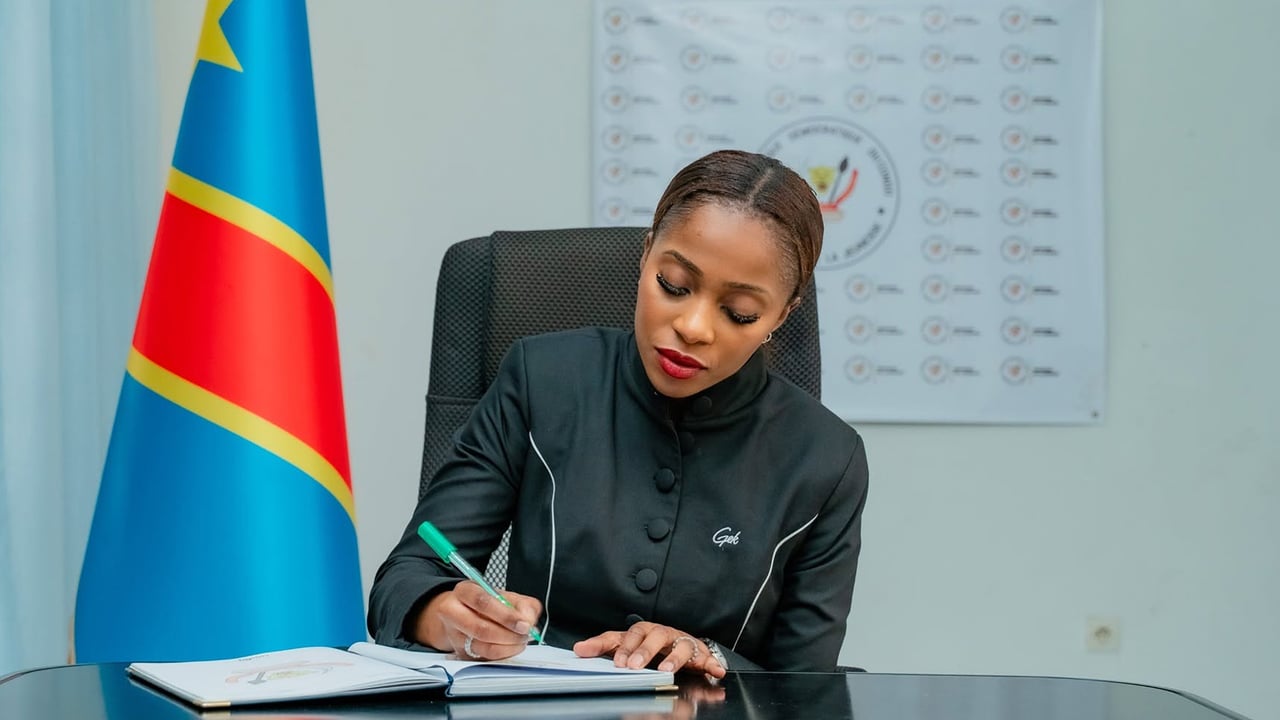
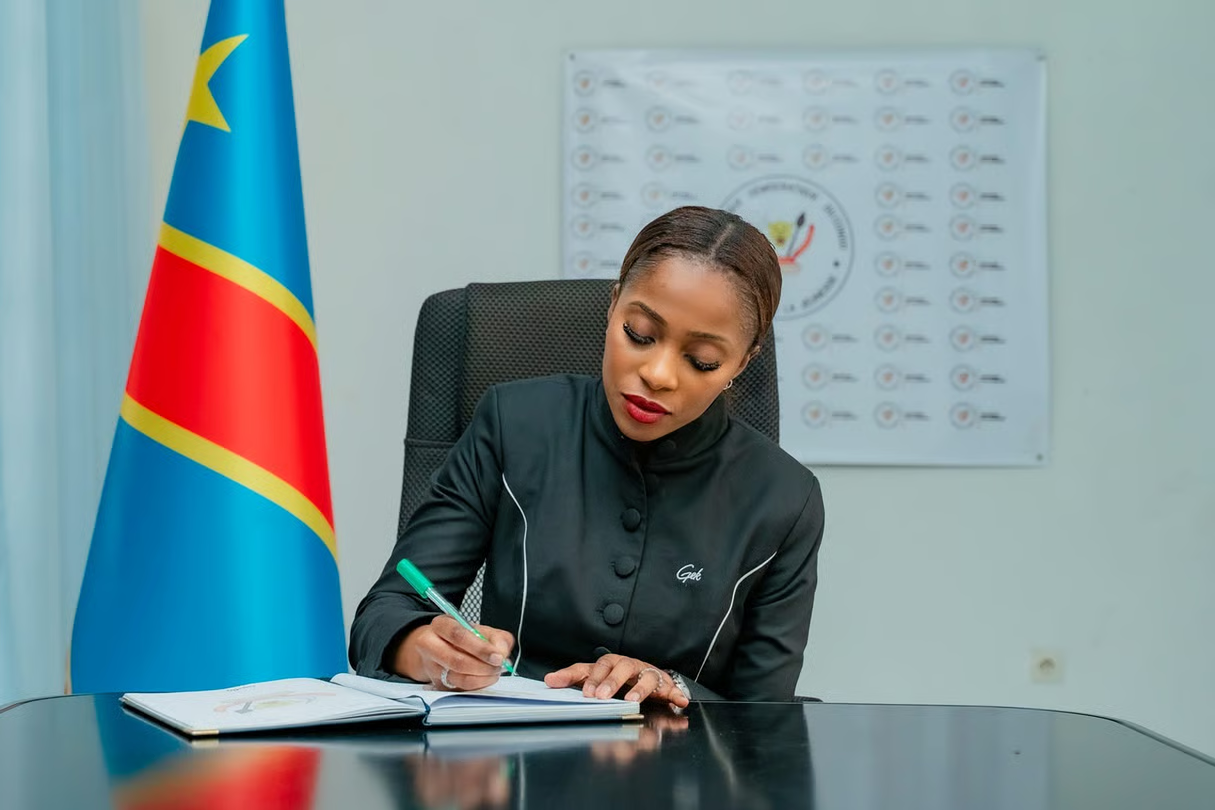
In the heart of Kinshasa, Minister Grâce Kutino has emerged as a prominent voice in the ongoing constitutional debate gripping the Democratic Republic of the Congo (DRC). Her recent statements have sparked intense speculation about whether she is speaking on behalf of the government’s official position.
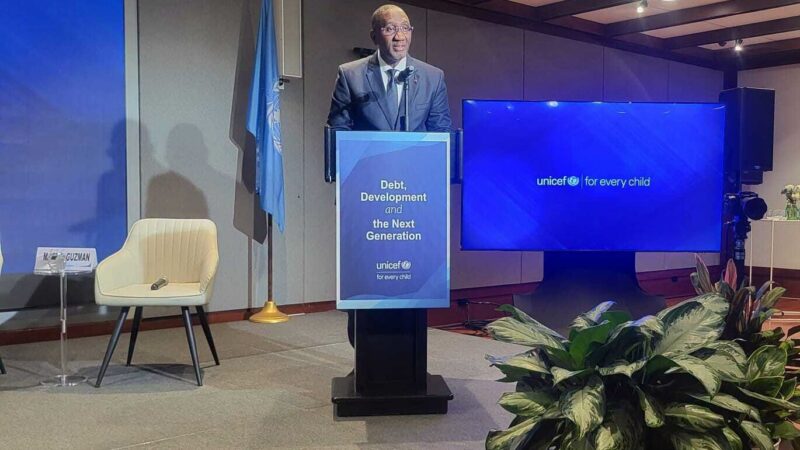
The minister’s remarks, delivered during a high-profile parliamentary session, have drawn both praise and criticism. Supporters view her contributions as a bold defense of national sovereignty, while opponents question the alignment of her views with broader governmental policies. The debate centers on proposed amendments that could reshape the country’s political landscape.
Key statements and their implications
Minister Kutino’s assertions have particularly focused on clauses related to presidential term limits and decentralization. She emphasized the need for reforms that, in her words, “strengthen democratic stability and territorial cohesion.” Her emphasis on these themes has led many to interpret her stance as a reflection of official government thinking.
However, the ambiguity surrounding her exact role in shaping these proposals has fueled further debate. Government spokespersons have remained cautious, neither confirming nor denying her alignment with executive policy. This silence has only intensified the speculation, with analysts dissecting every word she utters for hidden meanings.
Public reaction and political fallout
The minister’s interventions have resonated deeply with the public, especially among younger demographics. Social media platforms have erupted with discussions, with hashtags trending and opinion pieces dissecting her every statement. Some citizens see her as a champion of progressive change, while others view her as a divisive figure pushing an agenda that may not reflect the majority’s wishes.
The political opposition has seized on the ambiguity, demanding clarity from the government. Questions have been raised about the transparency of the constitutional reform process and whether public consultations have been thorough enough. Critics argue that the lack of clear communication risks undermining trust in the institutions overseeing these changes.
What’s next for the constitutional debate?
As the debate intensifies, all eyes remain on Minister Kutino. Her next moves could either clarify her role or further muddy the waters. The government’s response—or lack thereof—to her statements will likely shape the trajectory of the reform process in the coming weeks.
The outcome of this constitutional debate will have far-reaching consequences for the DRC’s political future. Whether Minister Kutino’s voice represents the government’s official stance or merely her personal convictions, her influence on the discourse is undeniable. The nation watches closely, awaiting the next chapter in this unfolding political drama.