Inside Cameroon’s customs overhaul on imported phones: the mechanics driving a revenue surge

The machinery behind Cameroon’s phone import revenue spike
Cameroon’s Directorate General of Customs collected 1.8 billion FCFA (about 2.7 million euros) in duties and taxes on imported phones, tablets and digital terminals between April and early September 2026 — a figure that reveals the inner workings of a new collection mechanism. Before the reform took effect, clearing phones into the country fed barely 100 million francs a month into state coffers. The shift has irritated some importers, even as customs officials insist the system serves fiscal, security and economic goals.
Reporting from Yaoundé,
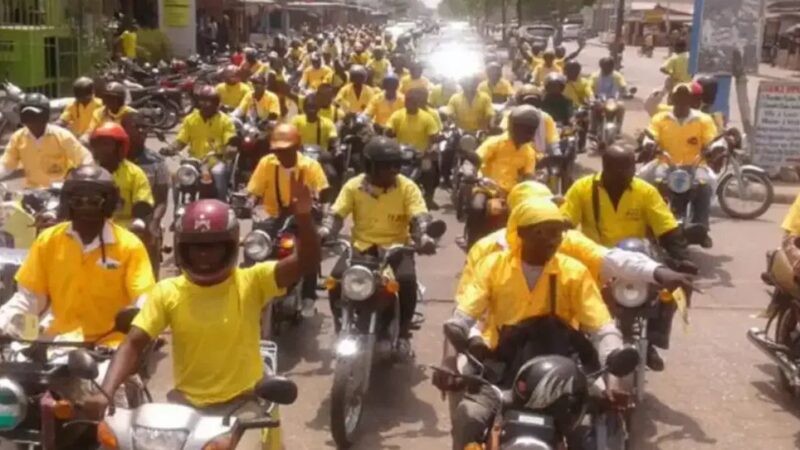
Avenue Kennedy in Yaoundé is packed. It is the main retail point for imported mobile phones in Cameroon. Seydou, a second-hand phone importer, says he has run into problems with the new declaration and clearance mechanism. “We import used phones that sell here for between 20,000 and 25,000 CFA francs,” he explains. “They are cleared at the airport, but customs officers do not record their serial numbers. When we sell them to customers, they come back complaining that they keep getting messages saying their phones will be blocked.”
Since 1 April, phone prices have risen, according to this reseller. “Customers are not interested in buying undeclared phones, but they cannot afford the price of declared phones either. So it causes us a lot of harm,” says Gérard Fontem, who now sells his phones at higher prices — some have almost doubled, from 45,000 to 85,000 CFA francs.
“Those who think the phone price has gone up are the ones who were not paying”
From roughly 68 euros to 129 euros, according to Paul Olivier Libii, a principal customs inspector and focal point for the reform at the Directorate General of Customs in Yaoundé, importers are far from being squeezed out. “Those who think the phone price has gone up are the ones who were not paying [their taxes],” he says. “Because for those who paid on the basis of transactional value at 66%, the phone price will actually go down. But those who were not paying used the customs duty as an adjustment variable to undermine those who did pay. The new mechanism will bring everyone to the same level.”
The new mechanism is not a new tax, but rather a new collection system based on digitalisation, Libii maintains. “The transactional value was divided by four, even by seven. We have eight collection categories ranging from 5,000 to 400,000 CFA francs. Then the overall rate went from 67% to 33.33%, so these are facilitation methods.” About five million phones were still escaping the system, phones that customs services promise will be brought into the fold.
What the reform actually changes
At its core, the overhaul replaces a value-based assessment with a tiered, digitalised system. Rather than calculating duties on declared transactional value — a method officials say was widely manipulated — the new approach sorts devices into eight bands, each with a fixed duty amount. The overall tax burden was cut by half, from 67% to 33.33%, a move designed to encourage compliance and widen the net.
Who bears the cost
The friction is most visible on the ground. Second-hand dealers like Seydou complain that serial numbers are not being registered during clearance, leaving buyers exposed to warnings that their devices will be blocked. Meanwhile, resellers such as Fontem have raised prices, in some cases nearly doubling them, as customers balk at both undeclared and declared phones.
Customs officials counter that the pain is concentrated among those who previously evaded duties. By levelling the playing field, they argue, the reform rewards compliant importers with lower effective rates while pulling millions of undeclared devices into the formal system.