Dakar Gathers Voices for Senegal’s Sustainable Energy Future
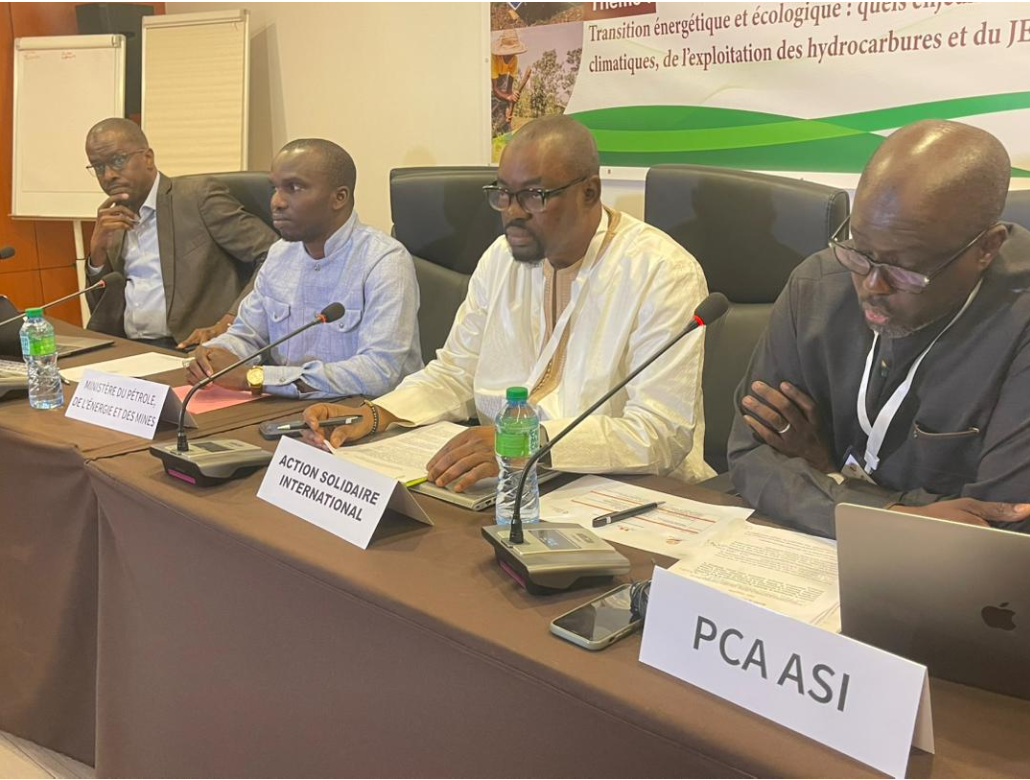
The fourth edition of the Environment and Energy University opened this past Tuesday in Dakar, uniting a diverse assembly of experts, researchers, policymakers, civil society representatives, and technical partners all focused on Senegal’s environmental and energy transformation. Held over two days, the event delves into the nation’s ongoing shift toward cleaner, more resilient energy systems amid mounting climate pressures and the evolving landscape of oil and gas exploitation.
The opening ceremony was led by Dr. Elhadji Ndiaye, a delegate of the Minister of Petroleum, Energy, and Mines. Among the key participants were the National Agency for Renewable Energies (ANER), the Senegalese Rural Electrification Agency (ASER), academics, and multiple non-governmental organizations. Dr. Ndiaye praised the initiative for fostering dialogue, knowledge-sharing, and collaborative solutions to pressing environmental and energy challenges.
Energy Transition as a National Imperative
In his keynote address, Dr. Ndiaye emphasized that energy and environmental issues are no longer confined to technical discussions—they now shape economic stability, social progress, and long-term sustainability. He highlighted the pivotal role of energy in driving productivity, innovation, job creation, and improved living standards across the country.
Mamadou Barry, President of Action Solidarité Internationale and Coordinator of the Environment and Energy University, underscored the urgent need for a bold ecological transition. He pointed to recurring floods, coastal erosion, and agricultural losses as stark reminders of climate change’s growing toll on Senegal. “Our development models must evolve with urgency,” he stated. “The country stands at a crossroads—balancing hydrocarbon expansion with our climate commitments is not optional; it’s essential.”
Barry called for a holistic approach that prioritizes renewable energy while responsibly managing new oil and gas resources. “Senegal’s entry into oil and gas production should not slow our renewable energy momentum,” he warned. He also advocated for deeper involvement of climate-affected communities in shaping environmental policies, ensuring their voices guide the nation’s sustainable future.
The forum serves as a vital platform for aligning Senegal’s energy ambitions with global sustainability goals, reinforcing the idea that environmental stewardship and economic growth must advance in tandem.