The Côte d’Ivoire is on the brink of a transformative era in infrastructure development. As part of its 2026-2030 National Development Plan (NDP), the government is set to unveil a state-of-the-art high-speed rail network designed to bridge the country’s northern and southern regions. This landmark initiative is more than a technological marvel—it’s a strategic cornerstone in the nation’s broader economic and territorial integration agenda, positioning the Côte d’Ivoire as a leading West African hub.

The flagship project—a 640-kilometer high-speed rail line—will connect Abidjan to Ferkessédougou, with key stops in Yamoussoukro, Bouaké, and Korhogo. Beyond its engineering feat, this infrastructure is hailed as a catalyst for national cohesion, slashing travel times and unlocking economic opportunities across the country.
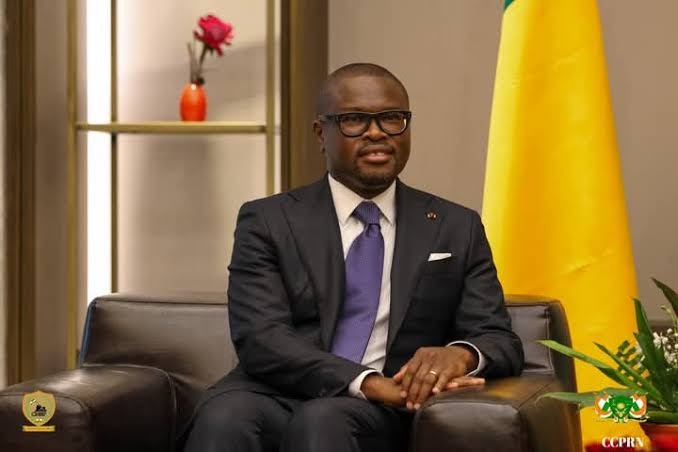
According to the Minister of Planning and Development, Souleymane Diarrassouba, the journey from Abidjan to Yamoussoukro will be reduced to just 45 minutes. This dramatic time-saving measure could redefine work-life dynamics, enabling professionals to live in the political capital while commuting effortlessly to the economic hub.
Metro, airports, and roads: a nationwide infrastructure overhaul
The high-speed rail is just one pillar of a sweeping infrastructure modernization drive. The government has also greenlit the 37-kilometer Abidjan Metro, slated for completion by 2029, alongside two new international airports in San-Pedro and Bondoukou to bolster national and regional connectivity.
The 2026-2030 NDP: a roadmap for structural transformation
The 2026-2030 National Development Plan outlines a bold strategy to accelerate economic growth, with a focus on regional economic hubs, rapid industrialization, and local production. This vision underscores the state’s pivotal role in steering national development, aiming to elevate the Côte d’Ivoire to upper-middle-income status by 2030 while safeguarding social stability and cohesion.
The government has earmarked a total investment of 114,838.5 billion FCFA for the 2026-2030 period, with a 30-70 split between public and private financing. To secure these funds, Abidjan will host a high-level advisory group on July 8-9, 2026, with participation from global partners including the World Bank, European Union, African Development Bank, and the United Nations.
Aiming for regional economic leadership
Through this ambitious program, the Côte d’Ivoire is staking its claim as a future leader in West African logistics, industry, and commerce. From high-speed rail and metro systems to new airports and upgraded roads, the nation is laying the groundwork for sustainable growth and regional influence.