Congo parliament begins review of 2027-2030 military programming law
Congo parliament begins review of 2027-2030 military programming law
- Politics
The Democratic Republic of Congo’s National Assembly has initiated the review of the military programming law for 2027-2030, a pivotal move to modernize the Armed Forces of the Democratic Republic of Congo (FARDC).
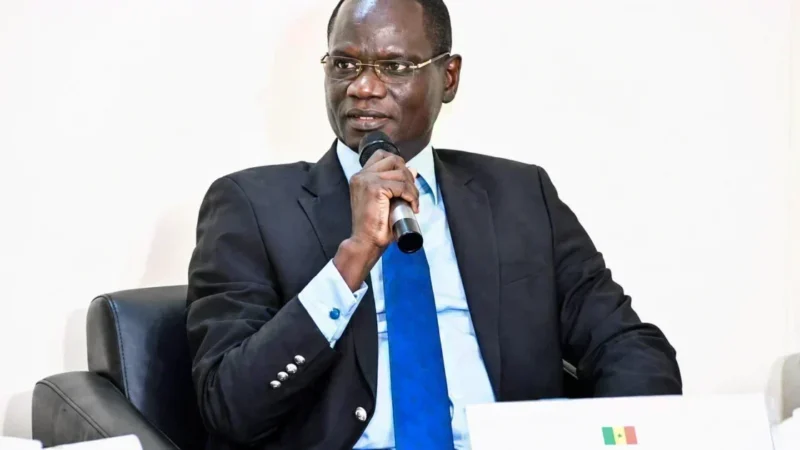
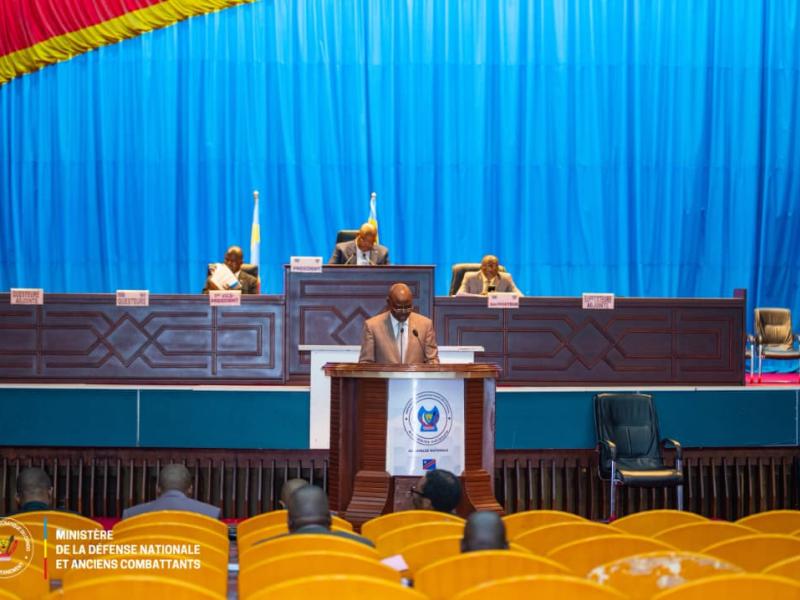
On Tuesday, July 14, 2026, Defense Minister Guy Kabombo Muadiamvita presented the draft law before parliamentarians, following a high-level mission to Egypt. This multi-year financial and strategic text aims to institutionalize the state budget for equipping, modernizing, and enhancing the operational capacity of the FARDC while eliminating budgetary improvisation.
Alongside the military programming law, the minister also introduced a draft reform of the legal framework governing the FARDC. This initiative underscores the government’s commitment to transforming the military programming law into a cornerstone for professionalizing and modernizing the armed forces, enabling them to address both internal and external threats.
The previous military programming law (2022-2025) had already laid the groundwork for the defense sector’s modernization. However, the new law seeks to adapt the legal framework to evolving operational realities and the demands of a modern, efficient, and well-structured army.
Key components of the 2027-2030 military programming law
The new law is structured around six core programs designed to strengthen the FARDC:
- General administration: Prioritizing human resources as the foundation of national defense.
- Instruction, training, and military research: Enhancing skills and operational readiness.
- Equipment and materials: Modernizing the army’s arsenal.
- Infrastructure modernization: Upgrading military facilities and logistics.
- Training, operations, and military intelligence: Strengthening tactical capabilities.
- Defense industry: Promoting local defense manufacturing.
Defense Minister Guy Kabombo Muadiamvita emphasized that this programming law aligns with President Félix Tshisekedi’s vision, aiming to define national defense priorities and establish a multi-year financial framework to bolster the FARDC’s operational capabilities.
Financial and operational innovations
A key innovation introduced is the Fonds de soutien au développement des FARDC (FSD-FARDC), a dedicated fund to support the war effort. This mechanism aims to mobilize additional resources from public and private donors to further strengthen the defense sector.
The minister highlighted the urgency of this funding mechanism in light of the current security context, particularly the ongoing aggression by Rwanda-backed rebels in the eastern provinces of North Kivu and South Kivu. The FARDC continues to face significant challenges in countering these threats, despite diplomatic efforts such as the Washington peace agreement and the Doha dialogue process.
Security challenges and diplomatic efforts
The review of the military programming law comes at a critical juncture, with eastern Congo experiencing persistent instability due to the resurgence of the M23 rebellion. The rebels, accused of receiving support from Rwanda, continue to control key urban centers such as Goma and Bukavu, as well as vast territories in North and South Kivu.
While diplomatic initiatives like the Washington agreement have been hailed as steps toward de-escalation, their practical impact on the ground remains limited. The FARDC’s struggle to regain control underscores the need for robust military reforms and sustained financial investment.
“This military programming law is not merely a financial tool; it is a strategic roadmap to ensure the FARDC’s readiness to defend the nation and restore stability,” stated Vice-Premier Minister Guy Kabombo Muadiamvita.