Chad’s urban youth embrace digital betting trend
Online wagering is increasingly captivating Chadian youth, lured by the promise of rapid financial gains and pervasive digital influence, raising critical questions about regulation and awareness of gambling risks.

In N’Djamena and other urban centers across Chad, online sports betting and virtual casino games are experiencing a significant surge in popularity among young people. This phenomenon, driven by the allure of quick profits, entertainment value, and widespread digital influence, is increasingly becoming a part of daily life for a segment of Chadian youth.
Around the capital’s neighborhoods, sports betting kiosks are consistently bustling, particularly during major European football matches. Young individuals, smartphones in hand and betting slips tucked away, intently watch games, hoping their wagers will multiply. This reflects a broader trend in the Sahel region, where digital engagement is transforming leisure activities.
“Initially, I played just for fun with friends. Now, I frequently try my luck on weekends,” shared Mahamat, a student in N’Djamena. Many like him view these platforms as a modern form of recreation, made easily accessible by the growing penetration of smartphones and internet connectivity.
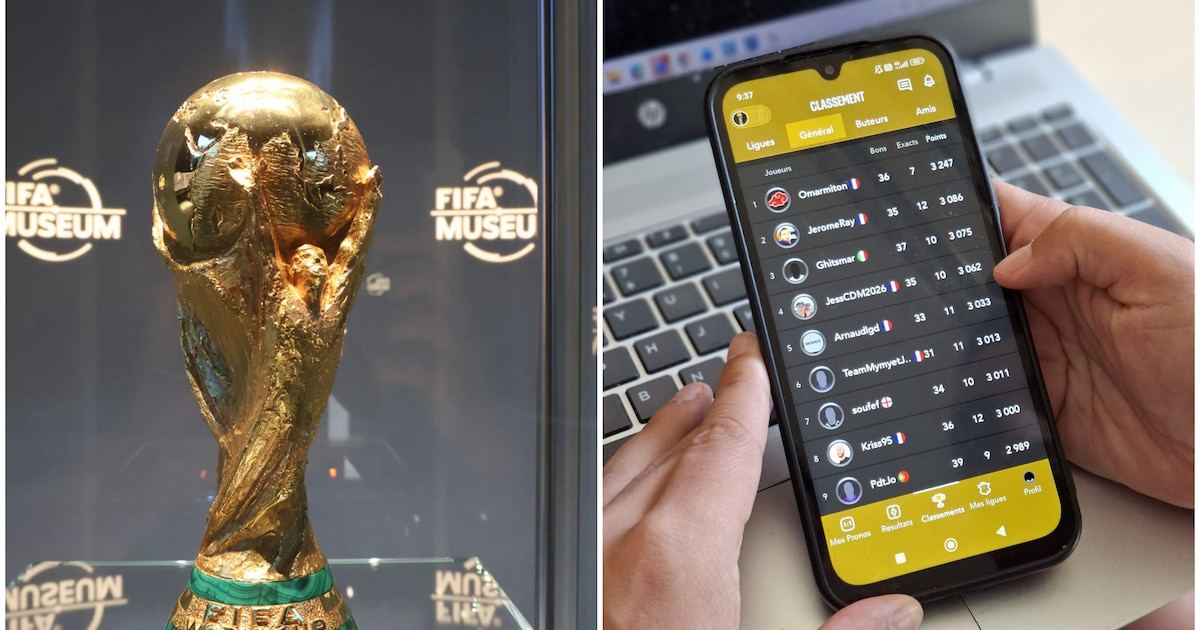
Beyond physical betting points, mobile applications and digital platforms have played a crucial role in popularizing online gambling. With just a few taps, users can place bets on sporting events, engage in virtual games, or participate in digital lotteries, available at any hour.
Some observers suggest this shift also mirrors changes in youth consumption habits. “Social media and online advertisements heavily influence behavior. Young people encounter messages promoting easy gains, which is naturally very appealing,” explained a sociologist interviewed in the capital, highlighting a key aspect of contemporary Sahel news English discussions on youth culture.
Football remains the primary catalyst for this widespread enthusiasm. European championships, especially the Champions League and major derbies, fuel daily conversations in public spaces, cafes, and university campuses. Betting platforms capitalize on this deep-seated sports passion to attract new users.
Managers at various gaming kiosks report a predominantly young clientele. “Students and young professionals constitute the majority. Some place small bets simply to test their fortune,” noted a sales point manager in N’Djamena’s 7th arrondissement.
However, experts caution against this practice, which can quickly become problematic if not managed responsibly. Educators and parents believe that enhanced awareness campaigns about the risks associated with gambling are essential, particularly for adolescents and young adults. This is a vital consideration for the future well-being of the region, touching upon aspects beyond just political Sahel or security Sahel, but also humanitarian Sahel concerns regarding social welfare.
For other young people, sports betting primarily serves as a social pastime with friends. “When there’s a big match, we gather to follow the game and compare our predictions. It’s become a tradition,” recounted a young merchant.
Ultimately, this phenomenon underscores the rapid evolution of digital technology and urban leisure in Chad. With the widespread availability of connected phones and mobile payment solutions, online gaming has cemented a visible presence in the daily lives of countless young individuals. This reflects a dynamic shift in West Africa Sahel news, where digital trends are increasingly shaping societal norms.
Balancing entertainment, football passion, and new digital habits, online sports betting and virtual casinos continue to expand their footprint in Chadian society, prompting crucial discussions about the regulation and public awareness surrounding games of chance.