The Women’s Super League (WSL) summer transfer window has exploded into life with a series of headline-grabbing moves that are reshaping England’s prospects for the 2027 FIFA Women’s World Cup. While established stars like Alexia Putellas and Georgia Stanway have already made their transfers official, the ripple effects of these deals are being felt across the league, with several players seeing their international futures transformed as a result.
how transfers are redefining england’s world cup ambitions
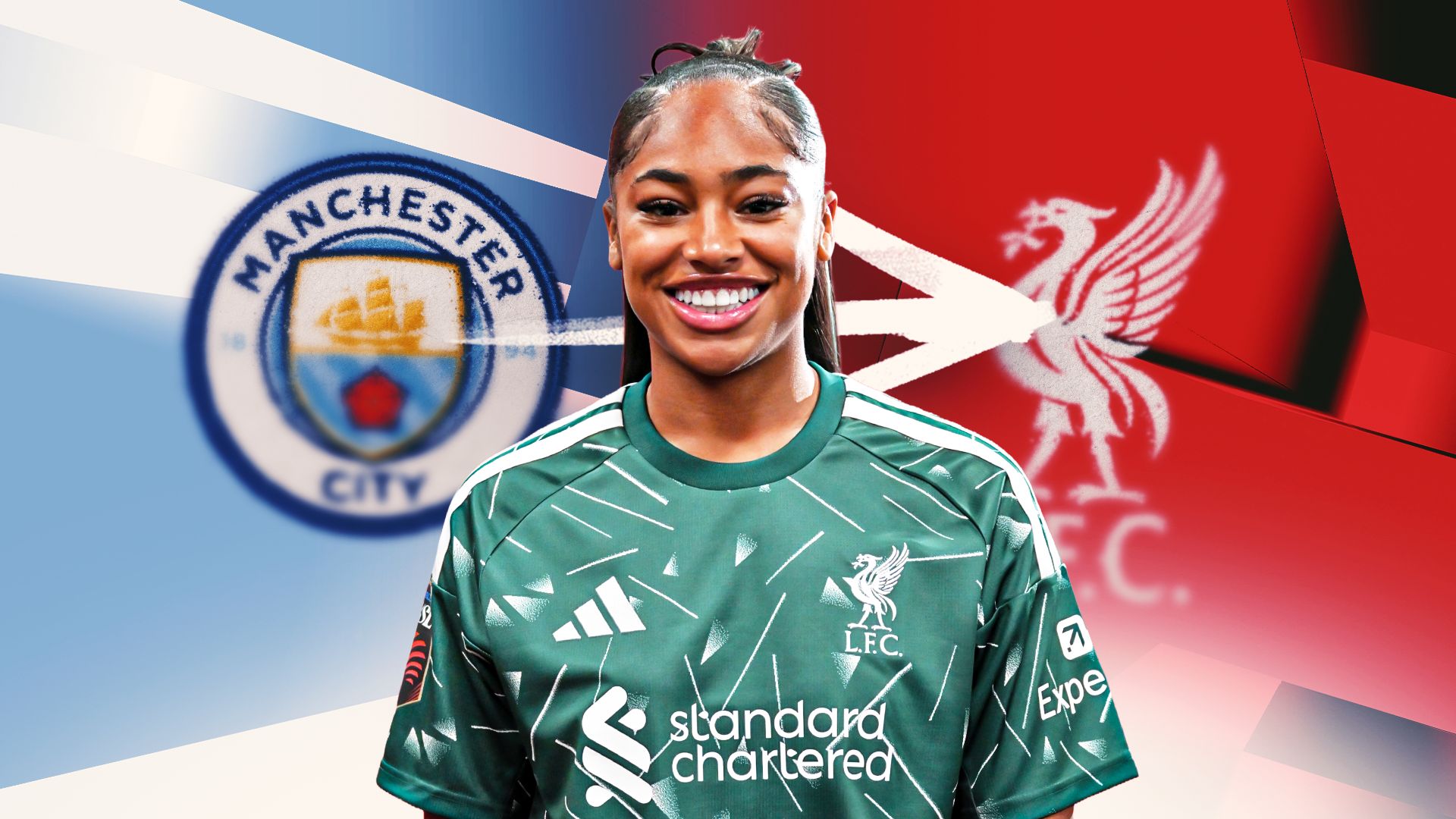
Among the most significant moves is Khiara Keating’s switch from Manchester City to Liverpool. The 22-year-old goalkeeper, who has spent 11 years developing at City and earned multiple England caps, found herself sidelined in recent months. Her departure to Anfield, secured on a free transfer, represents a calculated gamble to secure regular playing time ahead of the 2027 tournament. For Liverpool, the signing addresses a critical need while adding a player already familiar with manager Gareth Taylor’s tactical approach.
the strategic impact of summer signings
Several other transfers are poised to influence both club and country:
- Mapi Leon’s move to London City Lionesses: The world-class defender leaves Barcelona after 14 years, trading domestic dominance for a new challenge in the WSL. While her absence weakens the Catalan giants, London City gains a defensive leader capable of elevating their ambitions.
- Niamh Charles joins Manchester City: Chelsea’s decision to prioritize Katie McCabe at left-back meant Charles, a reliable defender, had to seek opportunities elsewhere. Her arrival at City provides depth and competition in a squad aiming to reclaim the WSL title.
- Ona Batlle returns to Arsenal: The experienced full-back reunites with her former Manchester United manager, now at Arsenal. Her versatility and technical ability offer the Gunners a tactical edge as they target their first WSL crown since 2019.
- Alexia Putellas joins London City: One of the most decorated players in women’s football, Putellas leaves Barcelona for a new challenge in England. Her arrival at London City injects star power and creativity into an already talented squad.
clubs and players balancing ambition and reality
Not all transfers are seamless. Some clubs face significant challenges in replacing departing stars:
- Barcelona’s defensive crisis: The loss of Ona Batlle and Mapi Leon in the same window leaves a gaping void in their backline. While young talents from La Masia are being fast-tracked, the transition will take time.
- Chelsea’s rebuilding phase: The departure of Sam Kerr, Catarina Macario, and others has forced the Blues to rethink their attacking strategy. New signings like Manaka Matsukubo and Erica Parkinson aim to fill the void, but the squad’s depth remains a concern.
- Manchester United’s defensive overhaul: Andrea Medina’s arrival adds stability to a defense that has struggled with consistency. The Spanish international’s versatility allows manager Marc Skinner to experiment with formations and personnel.
the road to the 2027 world cup
For many players, these transfers are more than just career moves—they are strategic steps toward securing a place in England’s World Cup squad. Keating’s move to Liverpool, for example, ensures she will compete for minutes in a competitive WSL side rather than remain a backup at City. Similarly, Beth Mead’s switch to Manchester City offers her a pathway to regular football as she eyes a starring role in the Lionesses’ campaign.
The summer’s biggest transfers are not just about changing clubs—they are about shaping futures. Clubs are taking calculated risks to build competitive squads, while players are making bold choices to secure both playing time and international recognition. As the window progresses, the impact of these moves will become clearer, but one thing is certain: the 2027 World Cup is already on the horizon, and these transfers could be the difference-makers.