Chad water forum: who will stand with mahamat idriss déby itno
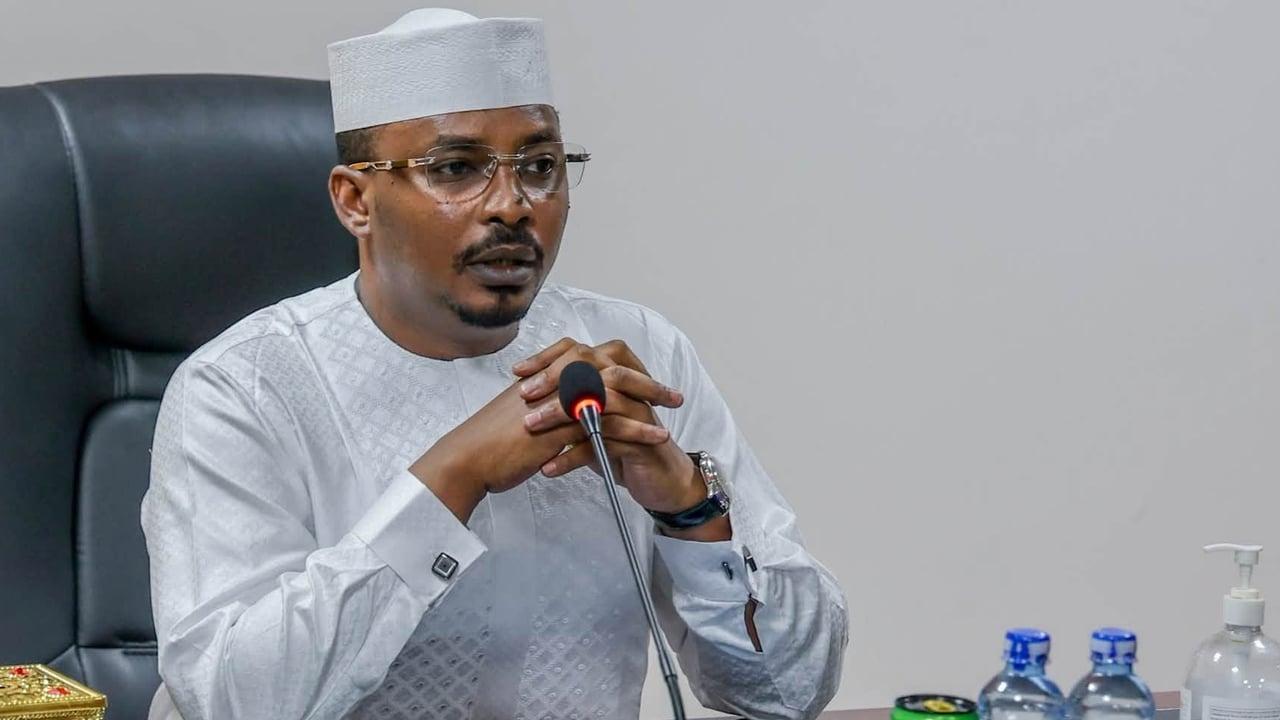
The upcoming African Water Forum in N’Djamena is set to draw regional leaders, but all eyes are on Chad’s transitional leader, Mahamat Idriss Déby Itno. The event, slated for this week, will bring together heads of state and government from across the continent to discuss pressing water challenges. As Chad prepares to host, speculation is rife about which African leaders will align themselves with Déby Itno during the high-profile gathering.
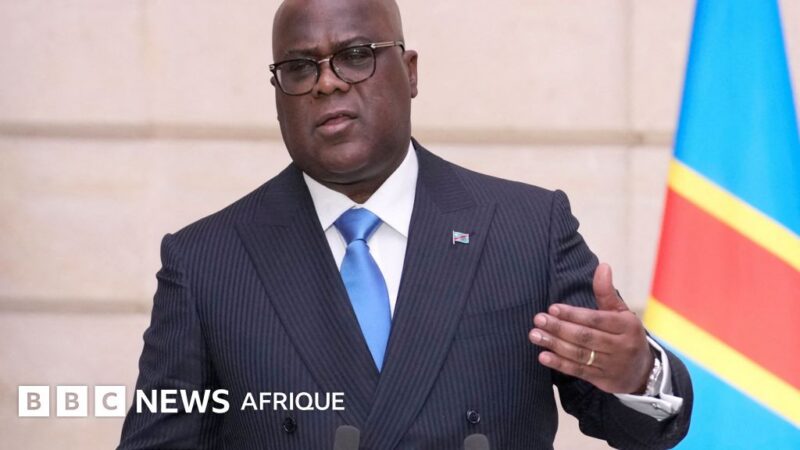
Among the key figures expected to attend are Mohamed Ould Ghazouani, President of Mauritania, Félix Tshisekedi of the Democratic Republic of Congo, and William Ruto from Kenya. Their presence—or absence—will signal the level of support Déby Itno commands in a region grappling with both political transitions and climate-induced water scarcity.
Regional dynamics and potential alliances
The African Water Forum serves as more than just a platform for water governance discussions; it is a barometer of diplomatic relations. Observers note that Romuald Wadagni, a prominent figure from Benin, is also expected to play a significant role. His involvement could indicate renewed Beninese engagement in Sahelian affairs, particularly in water resource management initiatives.
Meanwhile, Brice Clotaire Oligui Nguema, the transitional leader of Gabon, remains a wildcard. His attendance would underscore Gabon’s commitment to regional cooperation, though domestic challenges may limit his participation. On the flip side, the absence of certain leaders could reveal underlying tensions or shifting alliances within the bloc.
Chad’s strategic role in water diplomacy
As host, Chad stands at a critical juncture. The country’s leadership under Déby Itno is navigating a delicate balance between domestic reforms and regional expectations. Water security, a growing concern across the Sahel, presents an opportunity for Chad to position itself as a key player in continental policy-making.
However, the success of this forum hinges on more than just attendance. Concrete commitments—such as funding for cross-border water projects or shared governance frameworks—will be scrutinized. Déby Itno’s ability to broker agreements will determine whether this event becomes a turning point for regional water cooperation or merely another diplomatic gathering.
The outcomes of the forum may also influence perceptions of Chad’s transitional government. A strong showing by regional allies could bolster Déby Itno’s legitimacy, while a lack of consensus might highlight the challenges of unifying the continent around shared priorities.
As discussions unfold in N’Djamena, one question remains: Will the African Water Forum mark the beginning of a new era of cooperation, or will it expose the fractures in continental unity?