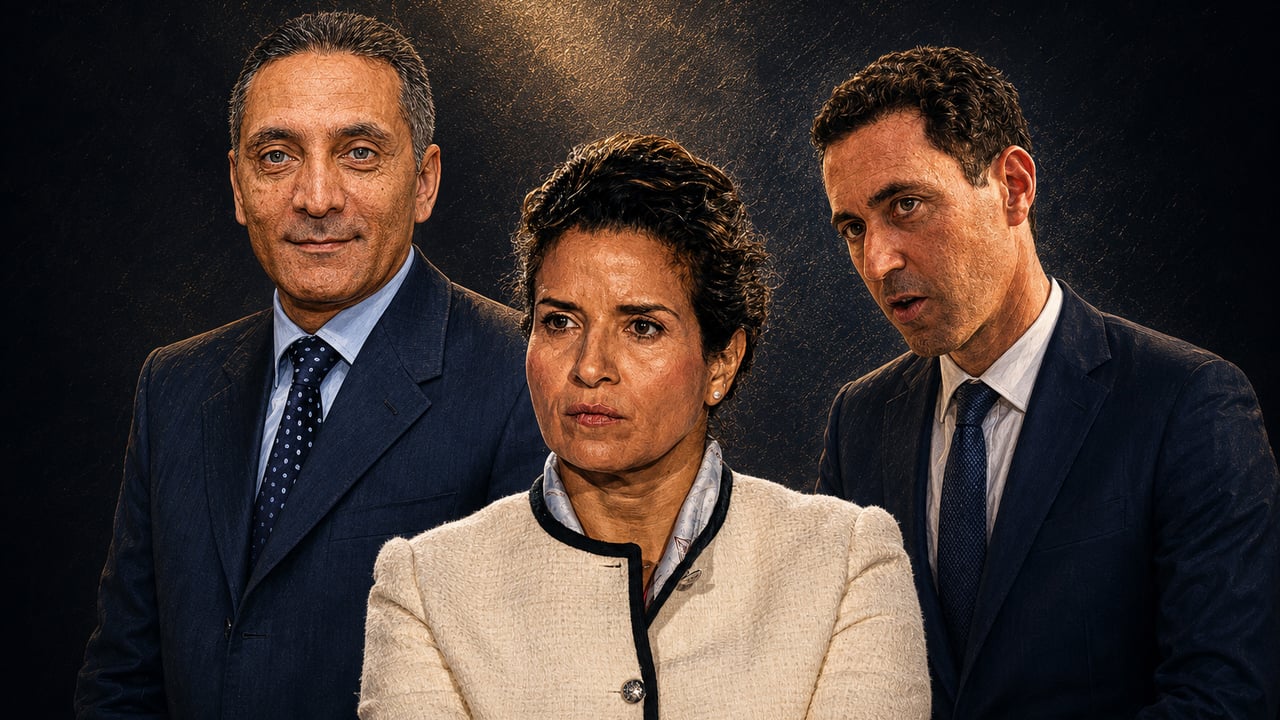
As Morocco gears up for pivotal legislative elections, the political landscape is buzzing with uncertainty. With Prime Minister Aziz Akhannouch’s mandate nearing its end, a fresh wave of contenders is emerging, each vying for a chance to lead the nation’s government in September 2026. Among them, a select group of outsiders stands out—not for their traditional political dominance, but for their unique trajectories and ambitions.

Morocco’s next leader: six names to watch in 2026
The race for Morocco’s premiership is intensifying. Some candidates boast the influence to secure the role, yet lack the broad appeal required. Others possess the public’s trust but struggle to gather enough parliamentary support. As the nation prepares for a defining vote, here’s a closer look at the most compelling contenders for the Mechouar Saïd, Morocco’s prime minister’s office.
Behind the scenes: the profiles shaping Morocco’s political future
The upcoming elections have cast a spotlight on a handful of figures whose paths to power diverge from the usual corridors of influence. These individuals, though not always at the forefront of political discourse, bring distinct backgrounds that could redefine the country’s leadership landscape.
Mostafa Terrab: the businessman-turned-policymaker
With a career rooted in Morocco’s industrial and energy sectors, Mostafa Terrab has long been a key player in shaping the nation’s economic policies. His leadership at OCP Group, the state-owned phosphate giant, has earned him both admiration and criticism. As the elections approach, Terrab’s blend of business acumen and policy experience makes him a formidable candidate for those seeking a technocratic approach to governance.
Nizar Baraka: the strategist with a reformist vision
Nizar Baraka has carved out a reputation as a pragmatic reformer, having served in multiple ministerial roles where he championed policies aimed at modernizing Morocco’s economy and institutions. His ability to navigate complex political alliances has positioned him as a dark horse in the race. Could his reformist zeal translate into widespread electoral support?
Abdelouafi Laftit: the security establishment’s voice
As a long-standing figure in Morocco’s interior ministry, Abdelouafi Laftit embodies the country’s security establishment. His deep understanding of national stability and governance has made him a trusted figure among policymakers. Yet, his close ties to the security apparatus may either bolster his candidacy or alienate voters seeking a break from the status quo.
Younes Sekkouri: the youthful challenger
Representing a new generation of Moroccan leaders, Younes Sekkouri has rapidly ascended the political ranks, thanks to his dynamic approach to governance and his focus on youth and economic empowerment. His campaign promises resonate particularly with younger voters, who see him as a symbol of renewal.
Nadia Fettah Alaoui: the finance minister’s ascent
As Morocco’s former Minister of Economy and Finance, Nadia Fettah Alaoui brings a wealth of experience in fiscal policy and economic strategy. Her tenure in government has been marked by efforts to streamline public spending and attract foreign investment. Could her financial expertise secure her the premiership?
Fouzi Lekjaa: the regional development advocate
Fouzi Lekjaa has built his career on championing regional development, particularly in Morocco’s southern provinces. His work in bridging gaps between urban and rural areas has earned him a reputation as a unifying figure. In a country where regional disparities often shape political narratives, Lekjaa’s focus on inclusivity could be a game-changer.
The balancing act: influence vs. electability
The 2026 elections are not just about selecting a leader; they are about defining Morocco’s future direction. Each candidate brings a unique set of strengths and weaknesses to the table. Some, like Terrab and Baraka, are backed by powerful economic and political networks, while others, like Sekkouri and Lekjaa, represent a push for fresh ideas and generational change. The challenge for voters will be weighing influence against electability, tradition against transformation.
What’s at stake for Morocco
The outcome of these elections will have far-reaching implications for Morocco’s domestic policies and its role on the global stage. Will the next prime minister continue the current administration’s trajectory, or will the elections mark a decisive shift toward reform and renewal? As the campaign season heats up, all eyes are on these six figures and the visions they bring to the Mechouar Saïd.