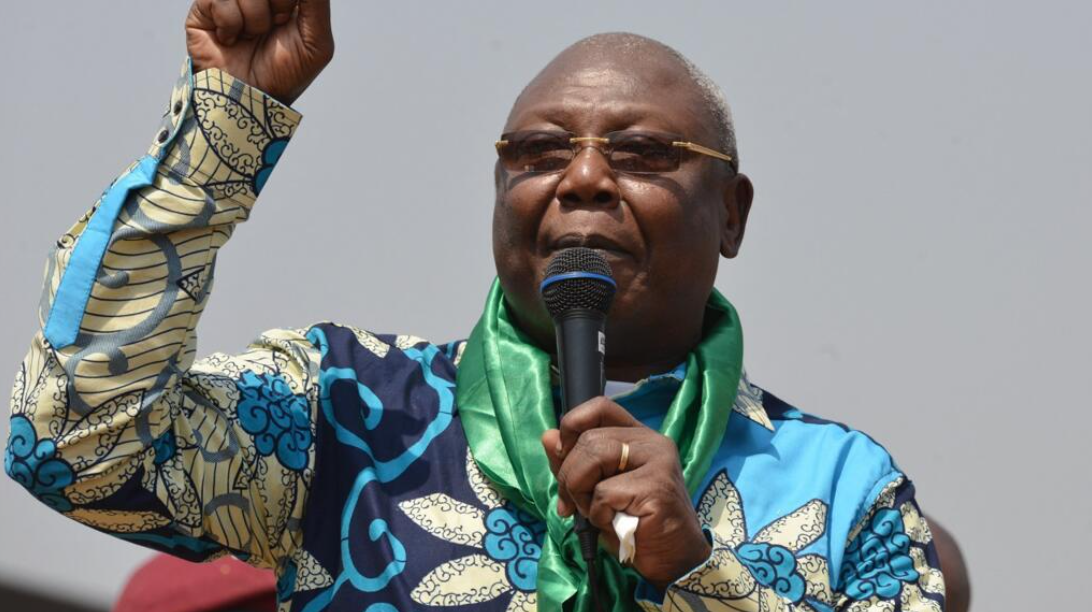
Nearly two weeks after Faustin Archange Touadéra’s swearing-in ceremony, which ushered in the seventh republic, former Prime Minister and MLPC leader Martin Ziguélé has broken his silence. His statement comes at a time when political tensions between the ruling party and opposition groups show no sign of easing.
Speaking from Bangui, Ziguélé paints a bleak picture of the current state of the Central African Republic. Despite a decade under the current administration, he points out that ordinary citizens continue to face worsening living conditions. He emphasizes the urgent need for genuine dialogue between political leaders and civil society representatives to reverse this downward spiral.
alarming poverty figures and crumbling infrastructure
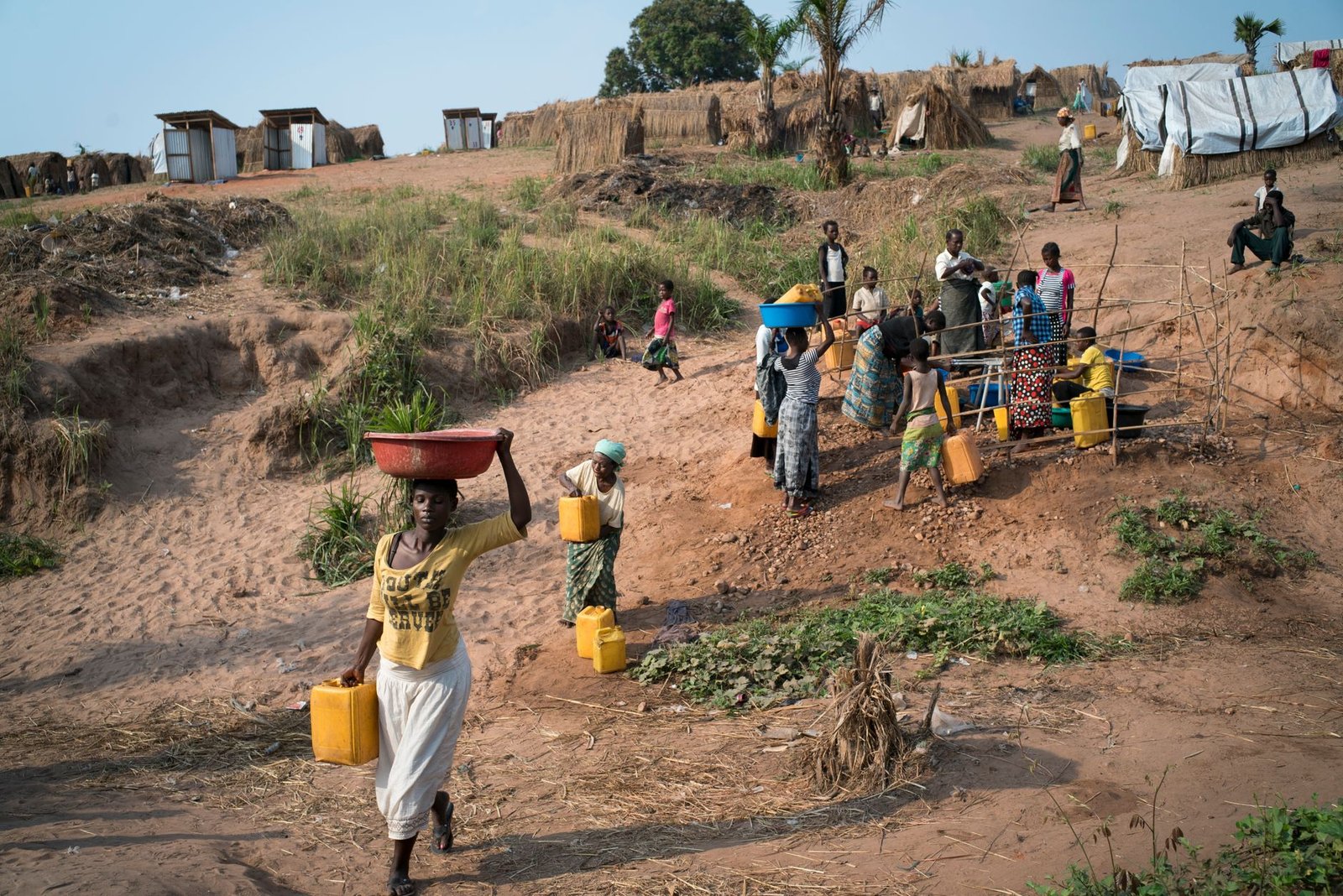
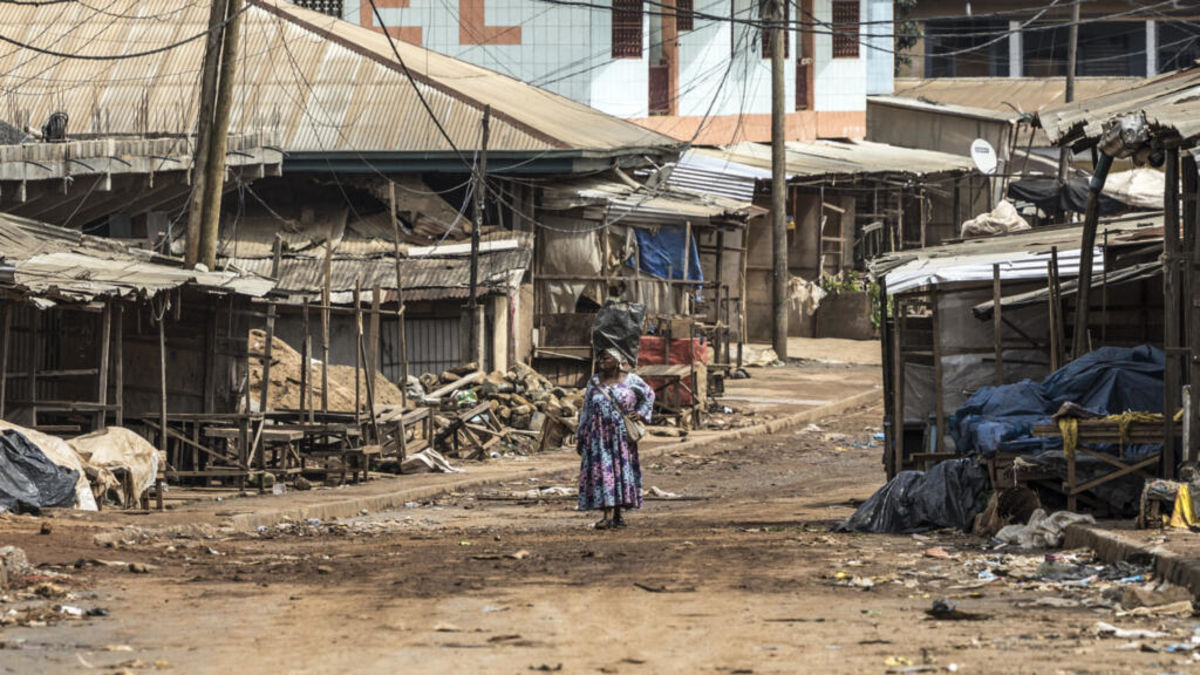
To underscore his concerns, the opposition figure cites stark poverty statistics. Drawing on a 2016 benchmark, he notes that over half the population was already living below the poverty line—defined as less than 1,000 CFA francs per day. By 2026, this share is projected to climb to nearly two-thirds of citizens. Beyond income poverty, he highlights systemic failures: unreliable access to clean water and electricity, deteriorating transport networks, and the proliferation of illegal roadblocks. These obstacles compound the country’s economic woes.
agriculture in freefall as production collapses
Ziguélé warns that the decline in key agricultural sectors signals deeper economic distress. Traditional cash crops such as cotton have seen catastrophic losses—once producing close to 100,000 tonnes annually, output now hovers around 2,000 tonnes. Coffee, another historic export, no longer appears in reliable production reports. This erosion of agricultural capacity has far-reaching consequences for rural livelihoods, where most Central Africans reside.
the path forward: inclusive dialogue and coordinated reform
The former premier insists that political negotiation is not optional; it is a cornerstone of democratic governance. He argues that sustainable recovery demands broad, sincere consultations involving all segments of society. While President Touadéra’s recent inauguration address acknowledged progress alongside persistent challenges, Ziguélé remains unconvinced that progress can be sustained without a unified national effort. He cautions that without meaningful collaboration across party lines, meaningful reforms will remain out of reach.
In his view, only through concerted action—bringing together government, opposition, and civil society—can the Central African Republic begin to rebuild its economy and restore hope to its people.