FDR challenges the legitimacy of Ousmane Sonko’s parliamentary mandate
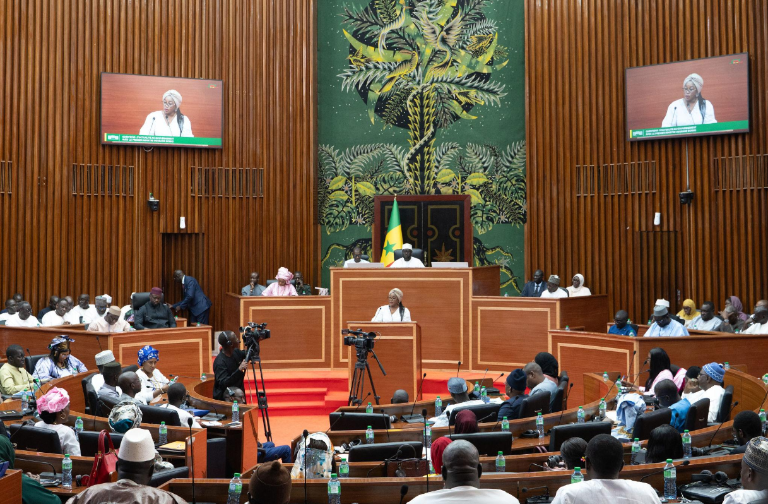
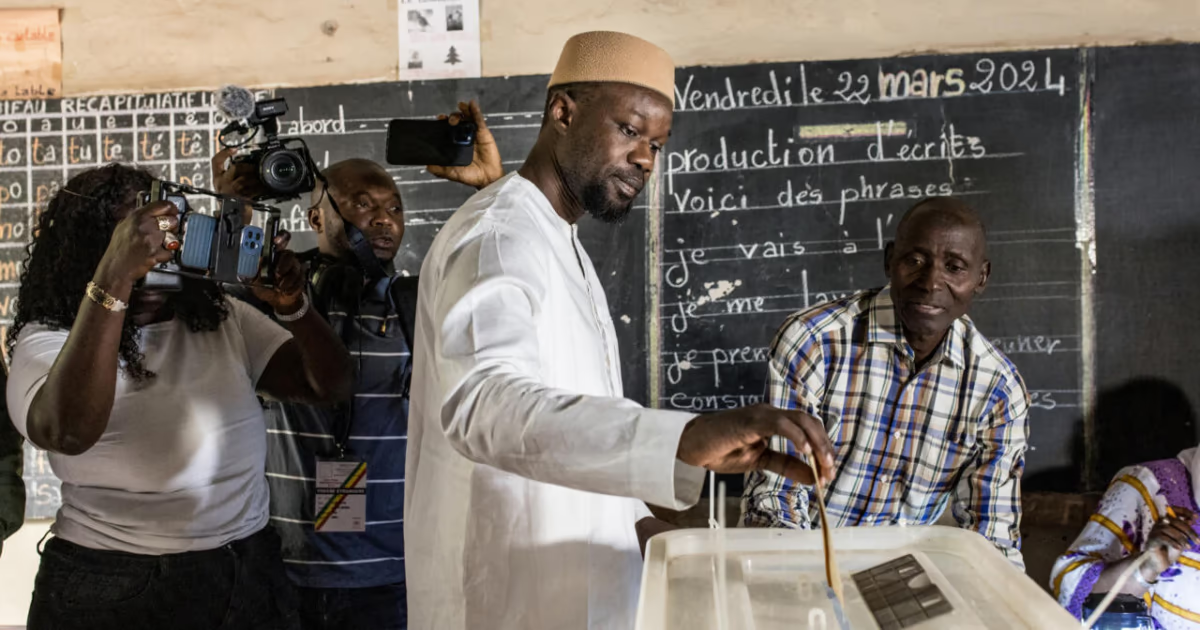
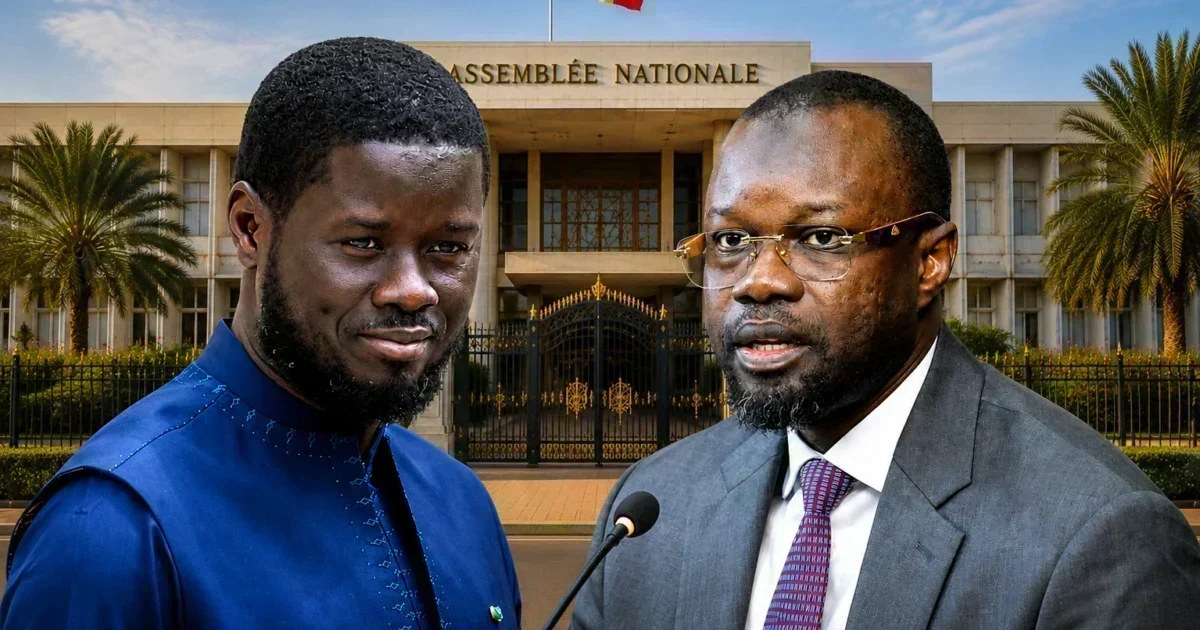
In a bold move, Senegal’s Front pour la défense de la démocratie et de la République (FDR) has demanded the annulment of Ousmane Sonko’s parliamentary mandate, citing alleged constitutional and electoral violations. The coalition argues that Sonko’s return to the National Assembly was secured through procedures that contravene the country’s legal framework, sparking a heated political confrontation.
Allegations of illegal parliamentary maneuvers
The FDR alleges that the processes enabling Sonko’s reinstatement as a deputy violate both the Senegalese Constitution and the Electoral Code. In a widely circulated statement, the coalition condemned what it describes as a “parliamentary coup” orchestrated by Sonko’s party, Pastef. The FDR points to a joint declaration signed by 147 political parties and civil society groups on May 24, which denounced the situation as a threat to democratic institutions.
Central to the dispute is the interpretation of legal provisions governing the parliamentary mandate of government members. The FDR insists that Article LO172 of the Electoral Code requires ministers elected as deputies to resign from their government positions within eight days of their election. According to the coalition, Sonko’s reliance on procedural changes within the National Assembly’s internal regulations—rather than an organic law—amounts to an unconstitutional maneuver.
Constitutional council to rule on the controversy
The opposition has taken legal action by petitioning the Senegalese Constitutional Council to challenge the legality of Sonko’s parliamentary seat. The council is now tasked with deliberating on whether the contested amendments to the Assembly’s rules of procedure comply with constitutional and electoral norms. The decision, keenly awaited by both the ruling majority and the opposition, could set a critical precedent for the balance of power between the executive and legislative branches.
The FDR has firmly rejected claims that its legal challenge is politically motivated. Instead, the coalition frames the dispute as a defense of democratic principles, urging national stakeholders to unite against what it perceives as a systemic violation of the country’s laws and institutions.
Broader implications for Senegal’s political landscape
The escalating tensions highlight deep divisions over the interpretation of rules governing the relationship between the government and the National Assembly. With the Constitutional Council’s ruling pending, the outcome of this dispute could reshape the political dynamics in Senegal, influencing future electoral and governance processes.