Struggling with unreliable external energy suppliers, Bénin and Togo are deepening political and economic ties to secure their industrial future. By pooling resources and strategic investments, the two nations aim to achieve lasting electrical sovereignty and reduce their vulnerability to regional supply disruptions.
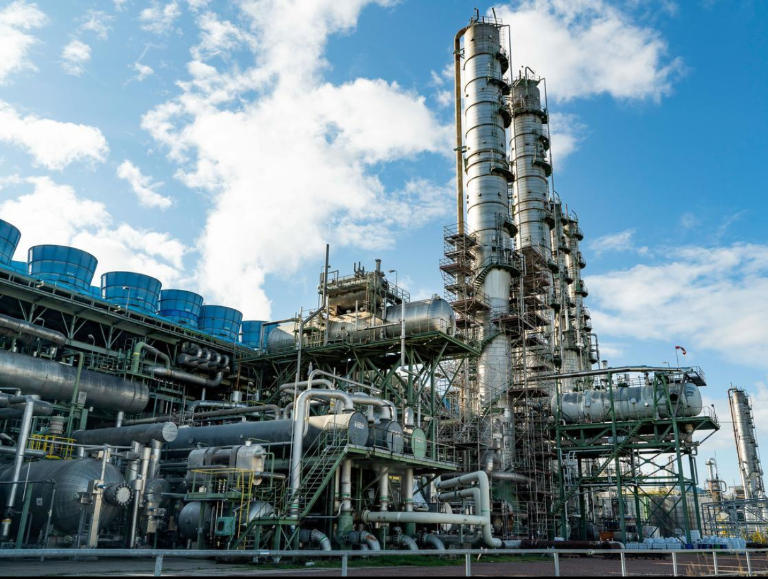
On April 23, a fire at Ghana’s Akosombo substation cut regional power exports by 1,000 megawatts overnight, immediately halting deliveries to Togo and Bénin. The incident underscored a harsh truth: during shortages, every country prioritizes domestic demand first. This recurring pattern exposes the structural flaws of the Bénin Electricity Community (CEB), founded in 1968 but limited to transmission without any independent generation capacity.
Earlier in 2024, disruptions in the West African Gas Pipeline forced Togo to allocate 31 billion West African CFA francs in emergency funds to offset the loss of Nigerian gas. These recurring crises highlight a shared dependency that demands urgent, coordinated solutions.
Adjarala dam emerges as a cornerstone of energy autonomy
The Adjarala hydroelectric project on the Mono River has become the flagship initiative in this push for energy independence. With an estimated investment of 266 billion West African CFA francs and a capacity of 147 megawatts, the dam promises three decades of stable electricity while irrigating 14,700 hectares of farmland in Togo. This infrastructure is not just a power source—it’s a catalyst for industrial growth. The Glo-Djigbé economic zone in Bénin, backed by over $1 billion in cotton and cashew processing investments, and the Adétikopé platform in Togo, can no longer afford to rely on neighboring countries’ volatile energy policies. A unified market will strengthen their bargaining power with global investors and reduce operational risks.
Leveraging domestic savings to fund energy transition
As international lenders withdraw from fossil fuel financing, Bénin and Togo are turning inward. Both nations are mobilizing long-term domestic savings by engaging their National Social Security Funds (CNSS) and insurance companies—entities with substantial reserves often invested in short-term government bonds. By issuing joint energy bonds backed by state guarantees, these institutions could channel social savings into large-scale regional infrastructure, transforming financial assets into tangible development gains.
Political alignment sets stage for energy sovereignty
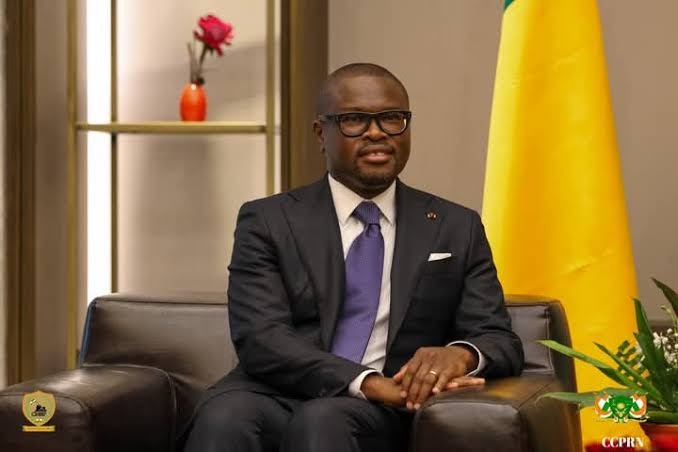
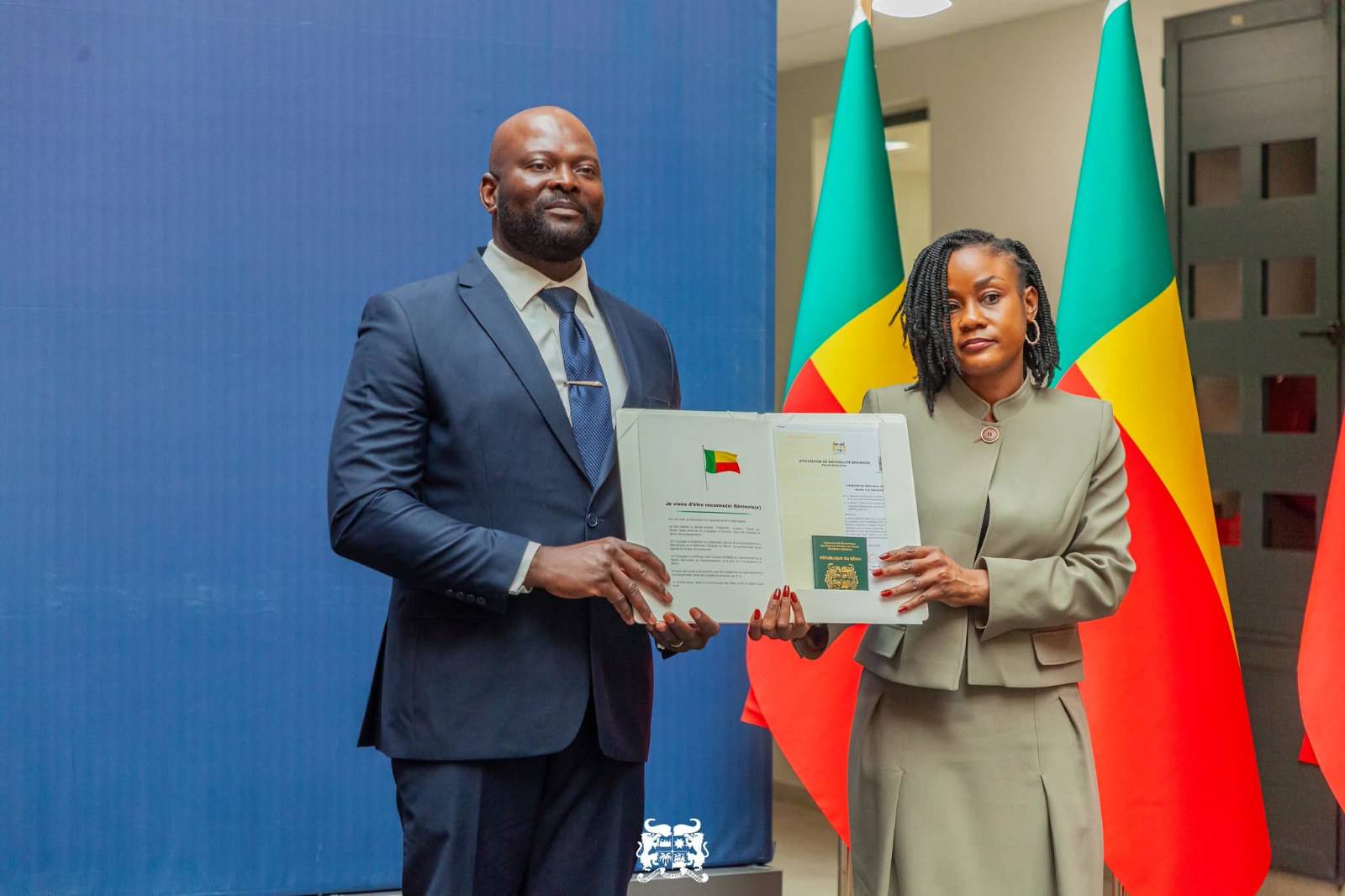
A landmark state visit by Bénin’s President Romuald Wadagni to Lomé on June 3, 2026, signaled a new era of cooperation. The joint communiqué outlined shared economic priorities and the creation of interconnected infrastructure systems. The two leaders have aligned their energy roadmaps: Bénin plans to inject 100 megawatts into the regional grid every two years, while Togo aims for universal electricity access by 2030. This synchronized political vision creates a rare opportunity to finally achieve lasting energy independence for both nations.